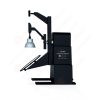
LM-79 Moving Detector Goniophotometer (Mirror Type C)
LSG-6000
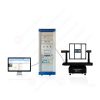
High Precision Rotation Luminaire Goniophotometer
LSG-1890B
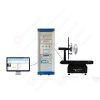
High Precision Rotation Luminaire Goniospectroradiometer
LSG-1890BCCD

Goniophotometer for Automotive and Signal Lamps
LSG-1950
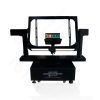
Goniophotometer for Traffic Signal Lamps (Economical Model)
LSG-1950S
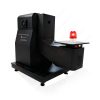
VAD Fire Alarm Visual Alert Device Goniophotometer
LSG-1930
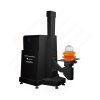
Goniophotometer for Airfield Lighting
LSG-1940
Compact Goniophotometer
LSG-1200A
LED Goniophotometer
LSG-1100
Near Field Moving Detector Goniophotometer
LSG-1900B
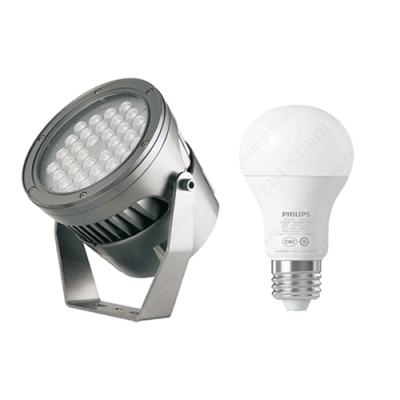 LEDs and Luminaire Test Solutions
 LM-79 and LM-80 Test Solutions
 LED Driver Test Solutions
 Household Appliances Test Solutions
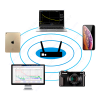 Mobile and Network Test Solutions
 Automotive Electronics Test Solutions
 Audio-Video and IT Test Solutions
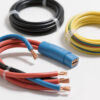 Cable and Wire Test Solutions
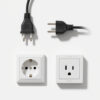 Plugs and Sockets Test Solutions
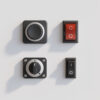 Power Switch Test Solutions
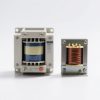 Transformer Test Solutions
 Electric Toys Test Solutions
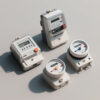 Energy Meter Test Solutions
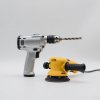 Motor-Operated Tool Test Solutions
Select an organization
to browse standards
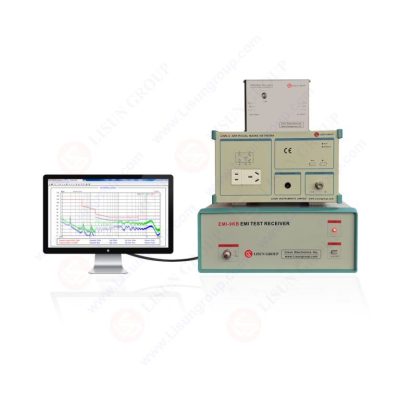
Abstract Electromagnetic compatibility testing serves as an indispensable technical procedure for electrical and electronic products to access the market. As the core instrument for conducted and radiated emission measurement, an EMI test receiver complying with specifications of the CISPR 16‑1‑1 EMI test receiver determines the validity of EMC test results directly. Centered on the key techni...
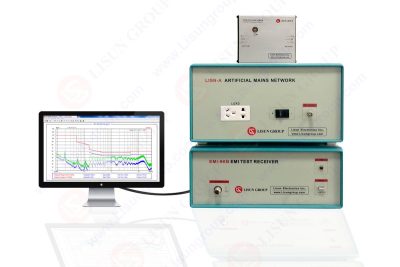
Abstract: With the high-frequency and integrated development of electronic products, conducted and radiated electromagnetic interference generated by switching power supplies, motor drives and other modules continues to intensify. Electromagnetic Compatibility (EMC) has become a mandatory threshold for product launch and export certification. As core instruments to quantify interference and locate...
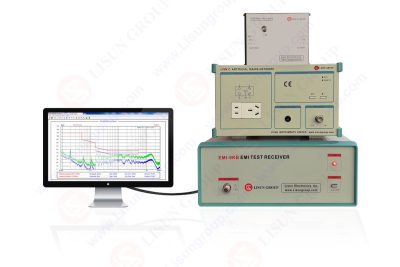
Abstract What is EMI? EMI stands for Electromagnetic Interference. It refers to electromagnetic noise emitted by electronic equipment during operation, which interferes with other equipment through two paths: wire conduction and space radiation. Minor interference may cause screen noise and signal distortion, while severe interference will lead to equipment shutdown, circuit failure and even safet...
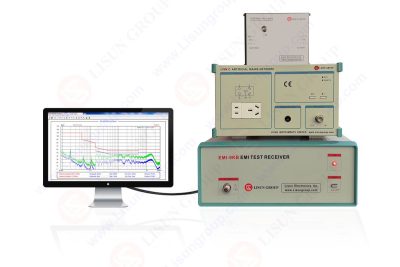
Abstract: In the electromagnetic compatibility (EMC) management system for electrical and electronic products, conducted emission and radiated emission are two core indicators for electromagnetic interference (EMI) testing. They correspond to conductor-transmitted interference and space-propagated interference respectively. The EMI conducted and radiated interference test system can quantitativel...
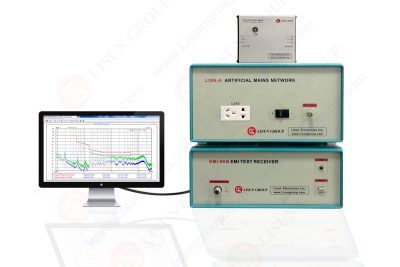
Abstract Electromagnetic compatibility (EMC) is a core indicator for market access and stable operation of electrical and electronic products. Conducted emission and radiated emission, as the two major core items of electromagnetic interference (EMI) detection, respectively characterize the interference characteristics of equipment propagating through power lines/signal lines and spatial electroma...
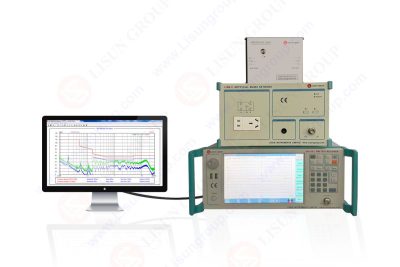
Abstract Electromagnetic Compatibility (EMC) is a core access indicator for electronic and electrical equipment to enter the global market. The EMI and EMC Test System performs quantitative detection of conducted and radiated interference, which directly determines the accuracy of test results and the effectiveness of product certification. Traditional EMI testing equipment generally has self-inte...
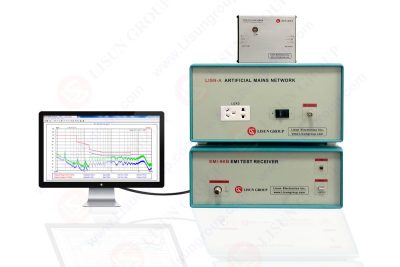
Abstract: Electromagnetic interference (EMI) is a key factor restricting the reliability and compliance of electrotechnical electronic products. Conducted interference propagates through power lines and signal lines, while radiated interference propagates through space, both of which will affect normal equipment operation and electromagnetic compatibility (EMC) certification. As the core instrume...
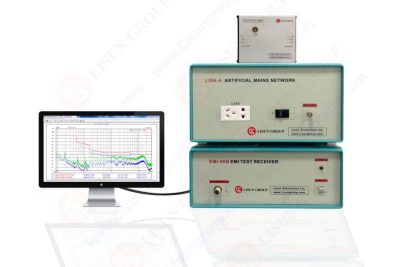
Abstract Electromagnetic interference (EMI) is a key factor affecting the electromagnetic compatibility (EMC) of electrical and electronic products. Quantitative measurement of conducted interference and radiated interference is an important part of product compliance certification and performance optimization. This paper focuses on the LISUN EMI-9K Series EMI Compliance Test Receiver, with empha...
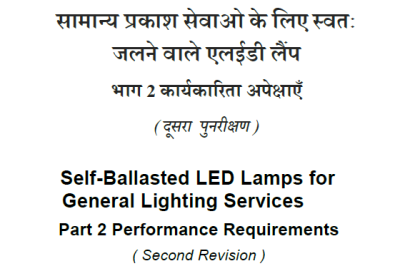
In 2026, the Bureau of Indian Standards (BIS) completed and issued the revised standard IS 16102-2:2026 for the operational performance of outdoor LED lighting equipment. As a core mandatory standard for India’s outdoor LED lighting sector, this update further refines technical requirements and improves test specifications on the original basis. It aims to enhance the reliability, safety, and ad...
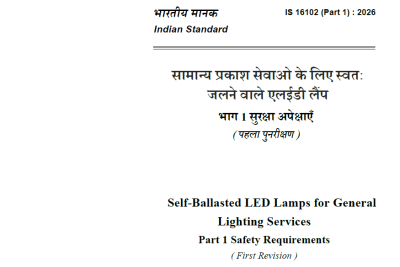
On February 24, 2026, the Bureau of Indian Standards (BIS) officially released the revised safety standard for self-ballasted LED lamps for general lighting, IS 16102-1:2026, which replaces the 2012 version. It specifies that the transition period for the old and new standards will last until August 2, 2026, after which the old standard will be formally abolished. As the core mandatory safety stan...
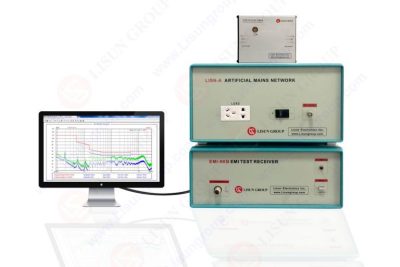
Abstract: Electromagnetic Interference (EMI) is a core factor restricting the electromagnetic compatibility (EMC) of electrical and electronic products. As a key part of product compliance certification and quality control, EMI test can accurately quantify conducted and radiated interference generated by equipment during operation. Taking LISUN EMI-9KB Conducted and Radiated Interference Test Sys...
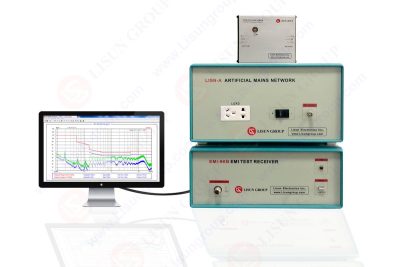
Abstract: Electromagnetic interference (EMI) is a key factor restricting the electromagnetic compatibility (EMC) of electrical and electronic products. Quantitative measurement of conducted interference and radiated interference is critical for product compliance, market access, and performance optimization. This paper takes the LISUN EMI‑9K series EMI Receiver as the research object, systemati...

 English
 中文简体
中文简体 English
 Русский
 Español
 Português
 Türkçe
 العربية
 Deutsch
 Polski
 Italiano
 Français
 한국어
한국어 ไทย
ไทย Tiếng Việt
 日本語
日本語