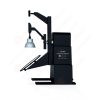
LM-79 Moving Detector Goniophotometer (Mirror Type C)
LSG-6000
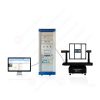
High Precision Rotation Luminaire Goniophotometer
LSG-1890B
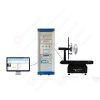
High Precision Rotation Luminaire Goniospectroradiometer
LSG-1890BCCD

Goniophotometer for Automotive and Signal Lamps
LSG-1950
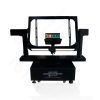
Goniophotometer for Traffic Signal Lamps (Economical Model)
LSG-1950S
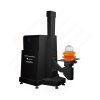
Goniophotometer for Airfield Lighting
LSG-1940
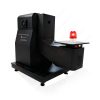
VAD Fire Alarm Visual Alert Device Goniophotometer
LSG-1930
Compact Goniophotometer
LSG-1200A
LED Goniophotometer
LSG-1100
Near Field Moving Detector Goniophotometer
LSG-1900B
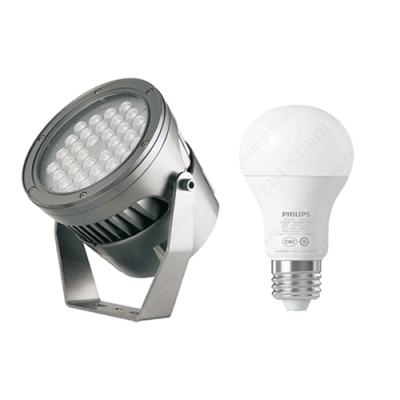 LEDs and Luminaire Test Solutions
 LM-79 and LM-80 Test Solutions
 LED Driver Test Solutions
 Household Appliances Test Solutions
 Mobile and Network Test Solutions
 Automotive Electronics Test Solutions
 Audio-Video and IT Test Solutions
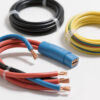 Cable and Wire Test Solutions
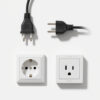 Plugs and Sockets Test Solutions
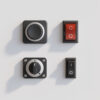 Power Switch Test Solutions
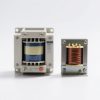 Transformer Test Solutions
 Electric Toys Test Solutions
 Energy Meter Test Solutions
 Motor-Operated Tool Test Solutions
Select an organization
to browse standards
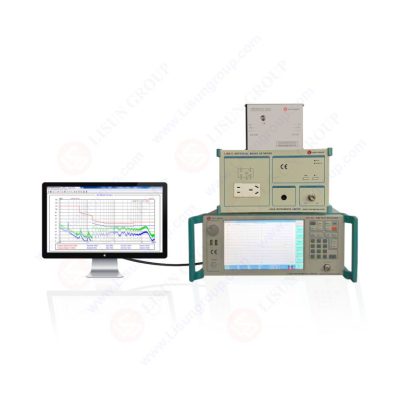
A Line impedance stabilization network is an underlying piece of conducted EMI testing since it establishes a known and reproducible electrical environment between equipment under test and a power source. No such controlled interface results in varying emission results when supply impedance cable routing and background noise are not controlled making comparisons meaningless. The LISN matches the impedance of the device between the stated frequency range and at the same time isolates the device to external upheaval on the mains. It is the basis of this two-fold role that standards require it to be used and they specify construction and installation details.
Its principle of operation is simple yet precise. The LISN places an active defined impedance (usually 50 ohms over the test band) and it has a measurement port connecting disturbance voltages to a receiver. The standards that regulate the use of LISN get laboratories worldwide to quantify the same phenomenon in the same manner such that limits are put on fairly so as to make it reproducible.
Various international standards dictate the design of a Line impedance stabilization network that has to be verified and deployed. The foundation of commercial and industrial products is the CISPR publications. They define the isolation of impedance versus frequency tolerance measurement port characteristics of the mains and installation geometry. These needs: The disturbance voltage at the port is related to an established reference condition instead of a lab peculiar artifact.
The IEC standards are similar to CISPR but cover a greater variety of a product type and test conditions. These IEC documents are being implemented in most areas as national standards that ensure conformity anywhere in the world and therefore are portable. The standards specify the LISN impedance as well as detectors of test bandwidth and dwell times that the receiver uses in order to ensure that the LISN and receiver are a coordinated system.
Regional adaptations exist. EN standards in Europe embrace the use of CISPR and IEC standards with harmonized language to be used in regulation. ANSI and IEEE standards in North America also affect LISN construction of some power arrangements and frequencies. On the one hand, automotive standards mention LISN properties, but tend to add their own requirements on modern handling and transient immunity because of automotive electrical surroundings. It is important to know what standard to adhere to since LISN ratings and configurations differ based on the standard to be used.
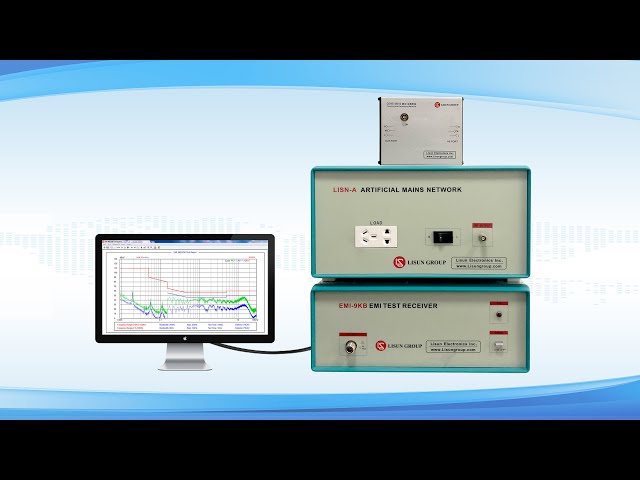
Standards define the electrical properties that define the performance of LISN. Precision in frequency of impedance is of prime importance. The LISN should be able to display the intended impedance within tolerance throughout the test band such that measurement of emissions is a reflection of the behavior of the device and not a variation in impedance. Verification is usually done using network analysis in order to check the magnitude and the phase of impedance.
It is also vital that it is isolated by the supply. The LISN has to control the external noise such that the receiver hears only the noise that comes out of the testing device. Minimum standards are indicated to avoid contaminations. The characteristics of the measurement ports such as the values of coupling capacitors and internal filtering are determined to guarantee a flat response and eliminate overloading.
The problems of current and voltage ratings are dealt with since they are a source of safety and performance. A LISN which floods or overheats under load alters impedance and adds error. Standards include that the LISN should be able to work at rated current and specified temperature rise and linearity. To ensure that performance is not detrimentally impacted at the expense of safety, three phase or high current applications are defined with add-on configurations.
Standards do not limit themselves to component design. They are a prescription of the installation of the Line impedance stabilization network within the test setup. The grounding and bonding exceptions provide a stable reference plane. The reasons behind specifying cable lengths routing and separation distances are that they influence coupling and repeatability in measurements.
Low inductance LISN must be connected to the reference ground plane. The device being tested is put on a set distance and the cables are passed following the standard to reduce fluctuation. The aim of the LISN and receiver with respect to the ground plane are specified even in some instances. These information might seem procedural, yet it is important to enable the inter laboratory consistency.
Check procedures are also uniform. The measurements of background noise ensure sufficient isolation. Measurement checks Reference signal checks verify the measurement chain. The deviations cause corrective action before a formal test takes place. This rigor of the procedure is what makes LISN based EMI testing credible.
LISN standards are implemented in applications with different applications. The limits of information technology and the multimedia equipment are CISPR based with specified frequency ranges and detectors. Standards of industrial equipment can permit greater limits but place greater immunity requirements. Automotive standards define the LISN features that can be used on vehicle power systems and may demand multiple LISNs to model the various supply paths.
The changing technologies motivate change. Fast digital interfaces and wide band switching supplies cause emissions in higher frequencies which has caused the increasing of test bands and more rigid verification requirements. Response Standards committees react by upgrading LISN specification to stay relevant. The LISNs in the laboratories should be made to comply with the most recent editions to prevent the outdated results.
Vendors of equipment assist this development by providing LISNs that are compatible to existing standards, and test documentation. Integrated system makes compliance easier as LISN receiver and software are created to collaborate with each other. LISUN (suppliers) have offered LISN solutions that are compatible with international standards and have documentation on installation and check which facilitate the laboratories to remain in conformity as the requirements evolve. Documentation is also dependent on standards. There should be test reports that determine the standard compliance of the LISN model rating. Traceability is by calibration and verification records.
Traceability goes to maintenance. To make sure that the impedance and isolation would be long term stable, periodical verification of the impedance and isolation is necessary. Performance may change over time because of environmental factors and continuous high current operation. Standards require that the laboratories should handle this risk by performing periodical checks and corrective maintenance.
A Line impedance stabilization network is the core of consistent conducted EMI testing that defines the electrical interface that trivializes measurements conferred around the globe. Its electrical characteristics are stipulated by international standards and this relates to the geometrical verification method and documentation expectations in the case of an installation. The interpretation and implementation of these standards guarantees that the reported results on conducted emissions will be seen as actual device behavior and can be used between regulatory regimes. Organizing compliant equipment by means of upholding verification discipline and using prescribed layouts offers integrity in measurements and long term confidence to the laboratory in its EMI compliance tests.
Tags:EMI-9KBYour email address will not be published. Required fields are marked *

 English
 中文简体
中文简体 English
 Русский
 Español
 Português
 Türkçe
 العربية
 Deutsch
 Polski
 Italiano
 Français
 한국어
한국어 ไทย
ไทย Tiếng Việt
 日本語
日本語