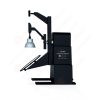
LM-79 Moving Detector Goniophotometer (Mirror Type C)
LSG-6000
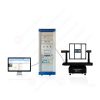
High Precision Rotation Luminaire Goniophotometer
LSG-1890B
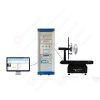
High Precision Rotation Luminaire Goniospectroradiometer
LSG-1890BCCD

Goniophotometer for Automotive and Signal Lamps
LSG-1950
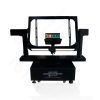
Goniophotometer for Traffic Signal Lamps (Economical Model)
LSG-1950S
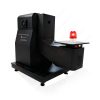
VAD Fire Alarm Visual Alert Device Goniophotometer
LSG-1930
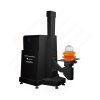
Goniophotometer for Airfield Lighting
LSG-1940
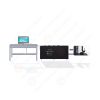
Compact Goniophotometer
LSG-1200A
LED Goniophotometer
LSG-1100
Near Field Moving Detector Goniophotometer
LSG-1900B
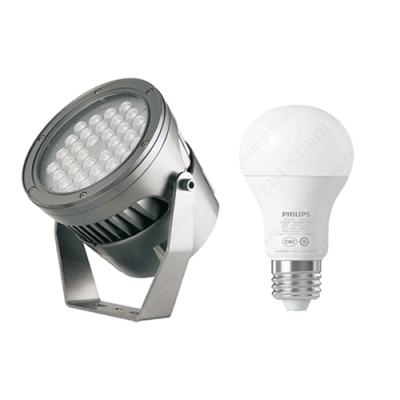 LEDs and Luminaire Test Solutions
 LM-79 and LM-80 Test Solutions
 LED Driver Test Solutions
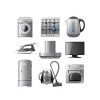 Household Appliances Test Solutions
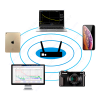 Mobile and Network Test Solutions
 Automotive Electronics Test Solutions
 Audio-Video and IT Test Solutions
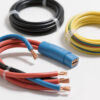 Cable and Wire Test Solutions
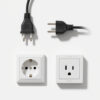 Plugs and Sockets Test Solutions
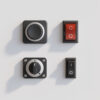 Power Switch Test Solutions
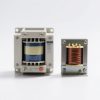 Transformer Test Solutions
 Electric Toys Test Solutions
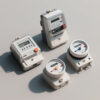 Energy Meter Test Solutions
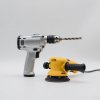 Motor-Operated Tool Test Solutions
Select an organization
to browse standards
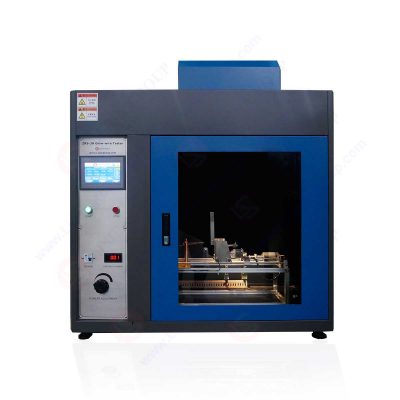
A glow wire test apparatus is a vital tool that can be used to measure the fire hazard in electrical and electronic devices. It replicates the impact of hot parts able to trigger the ignition of the surrounding insulating material in the faults. The glow wire test is another test considered in a number of safety programs together with other tests that are related to fire like the vertical flammability test, since they consider some of the various ignition and propagation of the flame situations. Although the very test method is specified by international standards the accuracy and compliance measure of the results will strongly depend upon the quality of the design and the stability of the glow wire test apparatus.
Glow wire testing does not solely have a pass or fail exercise. It is designed to establish the flame persistence of an ignition temperature and whether molten material or burning material will propagate a fire or not. These results affect the choice of material used and design of certifications. Apparatus design thus has a direct impact on the ability of the test to be a realistic model of hazard conditions and on acceptance of test results by regulatory bodies.
The characteristic element of a glow wire test equipment is that it warms a metallic wire to a tightly regulated temperature and sustains this temperature in the situation of engaging with the specimen. Standards state target temperatures and ranges of tolerances since the ignition behavior is very sensitive to change in temperature. An instrument whose heating control is unstable can take too long or fail to take long enough to reach the setpoint resulting to falsely disabled operation or unsafe clearance.
Quality apparatus utilises closed loop temperature control with the feedback of thermocouples installed near the heated wire. Response time and control resolution are important since the wire temperature can be reduced very quickly when it touches a specimen. High-technology systems compensate this thermal load supplying the effective test temperature during the contact length.
Accuracy is also influenced by mechanical stability of the wire holder. Any differences in contact force or geometry apply heat transfer to the specimen. Positioning Repeatability and controlled application of force is used to make sure that test conditions, regardless of the sample or test run, are consistent. Rigid frame apparatus that is fitted with actuators of high accuracy give better data than those that are manually set.

In addition to the temperature consideration which is a part of the glow wire test set-up, the observation and interpretation of ignition and flame behaviour are affected. Accurate measurements of the duration of ignition occurrence flame and self extinction time can only be achieved by having a clear view of the test area. Combination of both lighting and timing systems of the observation windows measured by apparatus fuse subjective judgment and enhances repeatability.
The other evaluation criterion is dripping behavior. As molten material drops off the specimen it can trigger a tissue paper indicator underneath. The specimen wire and the indicator should be in harmony with each other or they may be misinterpreted. Architecture that maintains homogeneous geometry underpins the homogenous testing of risk of fire spread.
Accuracy is also improved when it is integrated with timing and data recording systems. Timers that are automated based on ignition, and flame suppression remove use of reaction time by the operators. It is also significant in cases where findings are near acceptance thresholds in which one or two points can turn one compliant or not.
A glow wire test sample should not only have accuracy criteria of the test but also have safety expectations of the laboratory. It is a purposely forced test that includes the combustion products and high temperatures. The equipment design contributes significantly to the safety of the workers and the environment around it.
Enclosures and shields allow hot components to be touched accidentally and keep flames or sparks in a safe place. Ventilation will eliminate smoking and poisonous gases produced during experiment. Interlock systems that shut off heating in case access doors are open minimize cases of burns or fire accidents.
It is also applicable to electrical safety. The equipment should break heating circuits and regulate electronics to avoid leakage currents or overheating the equipment of specifications. The use of reliable grounding and protective gadgets will guarantee that operation on high temperatures will not affect the integrity of the system upon repetition.
These design factors are vital when it comes to adherence to the international safety standards. Laboratory audits usually involve factors such as the certification bodies examining the actual apparatus. Gear that exhibits a high level of safety engineering has better chances of favoring accepted test results and continuous accreditation.
The glow wire test is not in itself. Its outcomes are mostly formed in the combination with the results of the tests like needle flame testing and vertical flammability test. Each technique deals with other fire situations. Glow wire testing is an emphasis on ignition due to overheating of the parts whereas vertical flammability is an emphasis on the spread of flames after ignition has taken place.
The similarity between tests relies on the functioning of the apparatus. Should a glow wire test apparatus give irregular heating performances, the material might seem not to meet glow wire requirements even when passing other flammability tests or the opposite. These differences make the process of safety evaluation challenging and postponed certification.
Properly constructed equipment facilitates correlation through provision of similar stress which is consistent and in line with the purpose of the standard. This will allow engineers to construct consistent fire safety strategies using a set of several test methods as opposed to conflicting data sets.
The accuracy and compliance performance of the glow wire test apparatus is dependant on long term reliability of the equipment. The wire holders’ sensors and insulation get worn out as a result of repeated heating cycles. Calibration and Control- The control to ensure the accuracy of control remains stable over time depends on the apparatus that has a durable material and easy parts that are easy to maintain.
There has to be calibration traceability. Temperature sensors/ control systems need to be checked periodically to make sure that their standards remain within the required levels.
Laboratories usually choose their equipment suppliers who are well known to make sure they will support them in the long run. Based on these examples, LISUN offers systems of glow wire test where the temperature control safety enclosures and compliance-oriented features are provided that are balanced with international fire testing standards.
The glow wire test apparatus is decisive in specifying the accuracy and performance of safety compliance of evaluations of fire hazards. Accurate temperature regulation stable mechanical design observation ability in precise manner and sound safety measures all affect the real reflection of test results to show material behavior under fault condition. Combined with complementary techniques, like the vertical flammability test can be used to give important information on ignition risk and risk of fire spreading. The choice and retention of a high-quality apparatus will ensure the technical and acceptable safety evaluation by the regulatory authorities which will eventually lead to safer and more competent products.
Tags:ZRS-3HYour email address will not be published. Required fields are marked *

 English
 中文简体
中文简体 English
 Русский
 Español
 Português
 Türkçe
 العربية
 Deutsch
 Polski
 Italiano
 Français
 한국어
한국어 ไทย
ไทย Tiếng Việt
 日本語
日本語