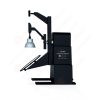
LM-79 Moving Detector Goniophotometer (Mirror Type C)
LSG-6000
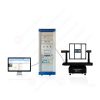
High Precision Rotation Luminaire Goniophotometer
LSG-1890B
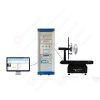
High Precision Rotation Luminaire Goniospectroradiometer
LSG-1890BCCD

Goniophotometer for Automotive and Signal Lamps
LSG-1950
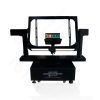
Goniophotometer for Traffic Signal Lamps (Economical Model)
LSG-1950S
VAD Fire Alarm Visual Alert Device Goniophotometer
LSG-1930
Goniophotometer for Airfield Lighting
LSG-1940
Compact Goniophotometer
LSG-1200A
LED Goniophotometer
LSG-1100
Near Field Moving Detector Goniophotometer
LSG-1900B
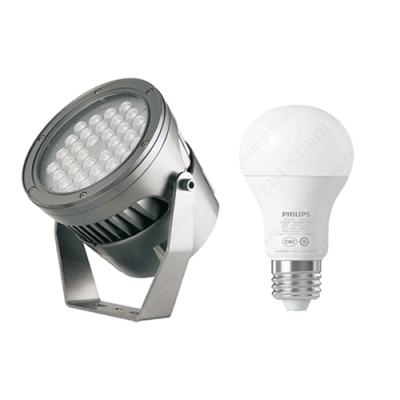 LEDs and Luminaire Test Solutions
 LM-79 and LM-80 Test Solutions
 LED Driver Test Solutions
 Household Appliances Test Solutions
 Mobile and Network Test Solutions
 Automotive Electronics Test Solutions
 Audio-Video and IT Test Solutions
 Cable and Wire Test Solutions
 Plugs and Sockets Test Solutions
 Power Switch Test Solutions
 Transformer Test Solutions
 Electric Toys Test Solutions
 Energy Meter Test Solutions
 Motor-Operated Tool Test Solutions
Select an organization
to browse standards
Glow wire apparatus testing has become a critical method for evaluating flame retardancy and fire safety of electrical and electronic products. This paper presents a comprehensive analysis of glow wire test apparatus technology, focusing on the LISUN ZRS-3H system and its applications in modern product safety compliance. The study examines testing principles, standard requirements, technical specifications, and engineering design considerations for glow wire testing equipment. With the increasing demand for fire-safe materials in consumer electronics, household appliances, and automotive components, understanding glow wire apparatus testing methodologies is essential for manufacturers and testing laboratories worldwide.
The paper provides detailed technical insights into glow wire flammability index (GWFI) and glow wire ignition temperature (GWIT) testing, supported by comprehensive standard references including IEC 60695-2 series and GB/T 5169 series standards. Practical implementation guidelines, equipment selection criteria, and future trends in fire safety testing are also discussed to support effective quality control and regulatory compliance.
The rapid development of electrical and electronic products has brought increased attention to fire safety requirements in modern manufacturing. With the proliferation of consumer electronics, household appliances, and automotive electronic components, the need for reliable flame retardancy testing methods has become paramount. Fire incidents caused by overheating components, short circuits, and material ignition have resulted in significant economic losses and safety concerns worldwide. Regulatory bodies and industry standards organizations have established comprehensive testing protocols to evaluate the fire resistance characteristics of materials and finished products. Among these testing methodologies, glow wire testing has emerged as one of the most widely adopted techniques for assessing the flammability and ignition properties of polymeric materials used in electrical equipment.
This paper aims to provide a comprehensive technical analysis of glow wire test apparatus technology and its applications in modern product safety testing. The study focuses on elucidating the fundamental principles of glow wire testing, examining relevant international and domestic standards, and presenting detailed technical specifications of state-of-the-art testing equipment. Special emphasis is placed on the LISUN ZRS-3H glow wire apparatus and its role in supporting manufacturers and testing laboratories achieve compliance with fire safety regulations. The ultimate objective is to equip engineers, quality control professionals, and product designers with practical knowledge for implementing effective glow wire testing protocols using advanced glow wire apparatus systems.
The development of glow wire testing standards began in the 1980s as part of the broader fire hazard testing framework established by the International Electrotechnical Commission (IEC). The IEC 60695-2 series specifically addresses fire hazard testing based on glowing/hot-wire methods, with Part 2-10 first establishing the apparatus and common test procedures. Over the decades, these standards have undergone continuous updates to reflect technological advancements and evolving safety requirements.
The 2021 revision of IEC 60695-2-10, 2-11, 2-12, and 2-13 represents the current state-of-the-art specifications for glow wire testing. In parallel, China’s national standards GB/T 5169 series have been developed and updated to align with IEC requirements while addressing specific domestic needs, with the 2023 and 2024 versions incorporating the latest technical developments.
The IEC 60695-2 series defines comprehensive requirements for glow wire testing, encompassing apparatus specifications, test procedures, and evaluation criteria. The standards mandate specific test conditions including glow wire temperatures up to 960°C, contact forces of 1N ± 0.2N, and precise timing measurements for ignition and extinction events. The GWFI (Glow Wire Flammability Index) test evaluates material flammability under specified heat loads, while the GWIT (Glow Wire Ignition Temperature) test determines the minimum temperature at which materials ignite. For end-product testing (GWEPT), standards require evaluation of finished products under simulated fault conditions. The standards also specify specimen dimensions, positioning requirements, and criteria for determining test results including flame characteristics, dripping behavior, and ignition duration.
The glow wire test simulates the thermal stress conditions that may occur in electrical equipment during fault scenarios, such as overheating components or resistive heating. The test apparatus employs a nickel-chromium (NiCr) alloy wire, typically 4mm in diameter with a composition of 80% nickel and 20% chromium, heated to precisely controlled temperatures ranging from ambient to 1100°C. During testing, the heated wire is applied to the test specimen under a controlled pressure of 0.95N ± 0.1N for a specified duration, typically 30 seconds.
The key parameters monitored include whether ignition occurs, ignition time (Ti), flame persistence time after wire removal (Ti+30), and any dripping behavior that may ignite cotton indicators. This methodology provides quantitative data on material ignition resistance and flame propagation characteristics under defined thermal stress conditions.
Precise temperature control and accurate measurement are critical for reliable glow wire testing results. Modern glow wire apparatus utilizes closed-loop temperature control systems with thermocouple feedback to maintain the wire at specified test temperatures with high stability. The temperature measurement accuracy requirement is ±3°C with a resolution of ±1°C, ensuring consistent test conditions across multiple test runs. The thermocouple specification typically involves φ1mm diameter armored thermocouples using nickel-chromium/nickel-aluminum (K-type) sensors positioned according to standard requirements. Advanced systems incorporate automatic temperature calibration routines and real-time temperature monitoring to ensure compliance with IEC 60695-2-10 specifications. Temperature uniformity across the heated wire segment is maintained through optimized current distribution and thermal shielding, minimizing measurement uncertainties.
Accurate timing measurements are essential for evaluating ignition and combustion characteristics in glow wire testing. Modern testing apparatus implements digital timing systems with 0.1-second resolution, capable of recording glow time (0.1s to 999.9s), ignition time, and flame extinction time with ±0.1s accuracy. The systems feature automatic ignition detection through optical sensors or current monitoring, eliminating manual observation errors. Data acquisition capabilities include recording multiple test parameters simultaneously, storing test results, and generating comprehensive test reports. Advanced models offer remote control functionality and integration with laboratory information management systems (LIMS) for streamlined workflow automation. The timing systems must comply with GB/T 4706.1-2024 requirements for specimen release functionality, automatically detaching the glow wire from the sample after the specified glow time.
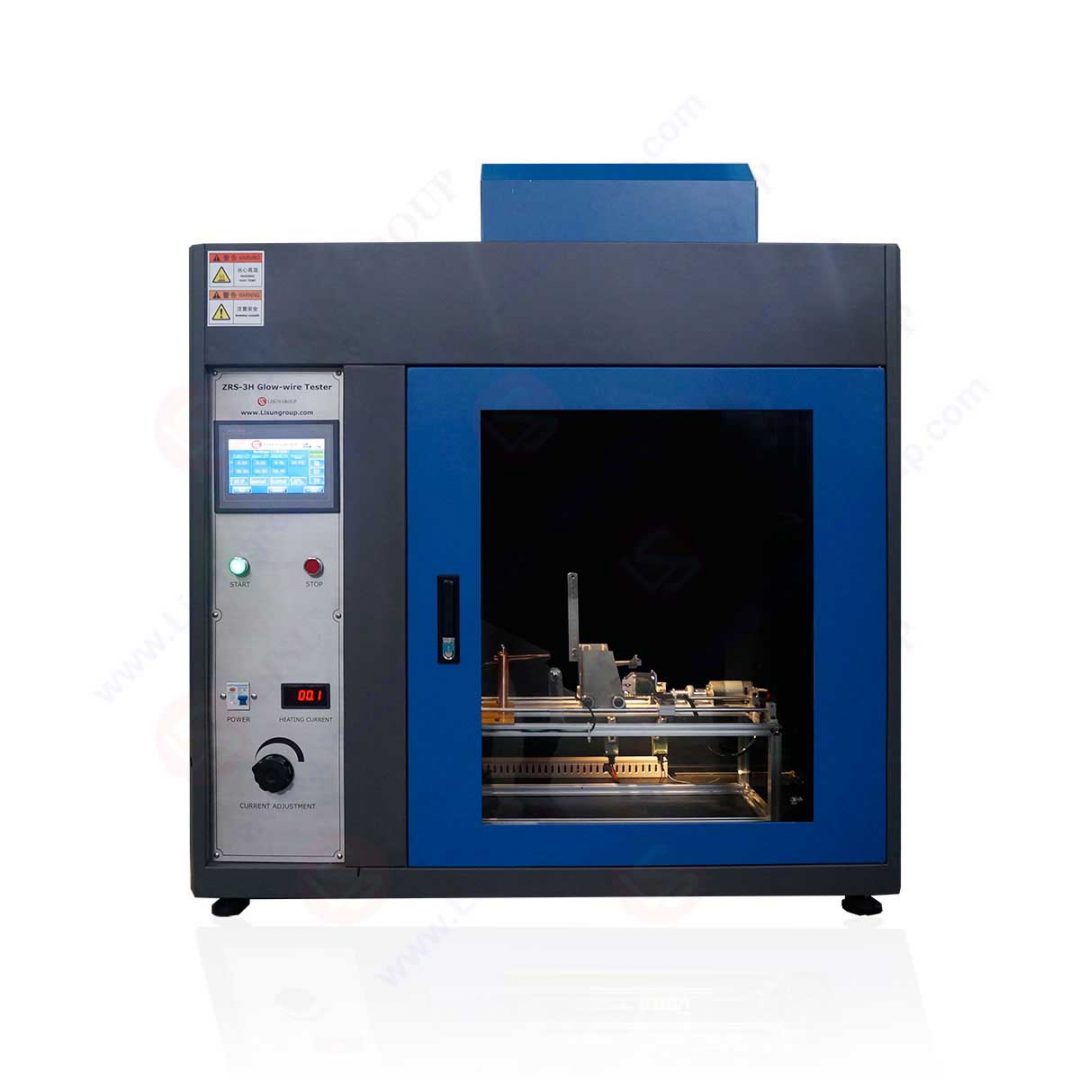
Glow wire testing involves high-temperature operations and potential fire hazards, necessitating robust safety features and operator protection measures. Testing equipment is constructed from high-temperature spray-coated steel materials providing heat resistance and corrosion resistance for long-term operation in elevated temperature environments. Enclosed cabinet designs (such as ZRS-3H with cabinet) incorporate fire-rated viewing windows, interlocked access doors, and automatic fire suppression systems to contain potential flames and smoke. Safety interlocks prevent operation unless all safety conditions are met, and emergency stop functions provide immediate shutdown capability. Exhaust systems with activated carbon filters remove combustion byproducts, while temperature sensors monitor internal chamber conditions to prevent overheating. These safety features ensure operator protection while maintaining test accuracy and repeatability.
The construction materials for glow wire test apparatus must withstand prolonged exposure to high temperatures (up to 1100°C) without degradation or dimensional changes that could affect test accuracy. The main structural components utilize high-temperature spray-coated steel providing excellent thermal stability and corrosion resistance. Internal components subject to direct heat exposure employ ceramic insulators and refractory materials with high melting points and minimal thermal expansion.
The glow wire itself uses precisely specified NiCr alloy (80% Ni, 20% Cr) to ensure consistent heating characteristics and mechanical properties. Thermocouple materials must maintain calibration stability over extended use, typically using K-type (NiCr-NiAl) construction with appropriate protective sheathing. All materials are selected to comply with IEC 60695-2-10 dimensional and compositional specifications, ensuring reproducible test results across different equipment manufacturers and geographical regions.
The structural design of glow wire test apparatus must provide precise mechanical positioning of the test specimen relative to the glow wire while ensuring safety and ease of operation. Key design elements include adjustable specimen mounting fixtures with micrometers for accurate positioning, pneumatic or mechanical systems for applying the specified contact force (0.95N ± 0.1N), and automated specimen translation mechanisms for consistent test application.
The pressure application system must limit penetration depth to 7mm as specified in standards. Cabinet-enclosed models incorporate observation windows, interior lighting, and automated door interlocks for safe operation. Modular designs facilitate maintenance and calibration access while maintaining structural rigidity. The overall construction must minimize vibration and external disturbances that could affect test repeatability. Human-machine interfaces typically include large LCD touchscreens with intuitive control software for parameter setting, test monitoring, and data management.
LISUN’s ZRS-3H series represents a comprehensive range of glow wire testing equipment designed to meet diverse laboratory and production testing requirements. The ZRS-3H model with cabinet (G.W. 180kg) provides a fully enclosed testing environment ideal for high-volume testing laboratories requiring enhanced safety features. The ZRS-3HS model without cabinet (G.W. 40kg) offers a more compact footprint suitable for space-constrained environments or mobile testing applications. Both models share identical core technical specifications ensuring consistent test results across product variants. The product line includes accessories such as calibration certificates, standard reference materials, and optional software upgrades for enhanced functionality. LISUN also offers legacy models ZY-3 and ZRS-3H variants supporting various testing configurations and budget requirements.
Table 1: Technical Specifications of ZRS-3H Series Glow Wire Test Apparatus
| Parameter | Specification |
| Heating Temperature Range | Room temperature to 1100°C, continuously adjustable |
| Temperature Measurement Accuracy | ±3°C, resolution ±1°C |
| Glow Time Range | 0.1s to 999.9s, accuracy ±0.1s |
| Ignition Time Recording | 0.1s to 999.9s, automatic recording |
| Flame Extinction Time Recording | 0.1s to 999.9s, automatic recording |
| Glow Wire Pressure on Test Sample | 0.95N ± 0.1N, pressure limit depth 7mm |
| Glow Wire Specifications | φ4mm diameter, 80% Ni, 20% Cr alloy |
| Thermocouple Specifications | φ1mm diameter armored, K-type (NiCr-NiAl) |
Glow wire testing equipment finds extensive application across multiple industries requiring fire safety compliance for electrical and electronic products. In the consumer electronics sector, testing is performed on mobile phone casings, computer housings, charger plastic components, and headphone speaker elements to evaluate ignition risks from nearby high-temperature components. Home appliance manufacturers test refrigerator internal brackets, washing machine components, air conditioner motor insulation, and rice cooker heating plate materials for flame retardancy stability.
The lighting industry applies glow wire testing to LED driver housings, heat sink plastics, lamp holder insulation, and fluorescent ballast enclosures. Automotive electronics applications include car navigation system housings, charger plastics, wiring harness insulation, and interior non-metallic components. Additionally, materials research and development laboratories utilize glow wire testing for evaluating engineering plastics (ABS, PC, PP, PA) and flame-retardant modified materials to support product development and certification efforts.
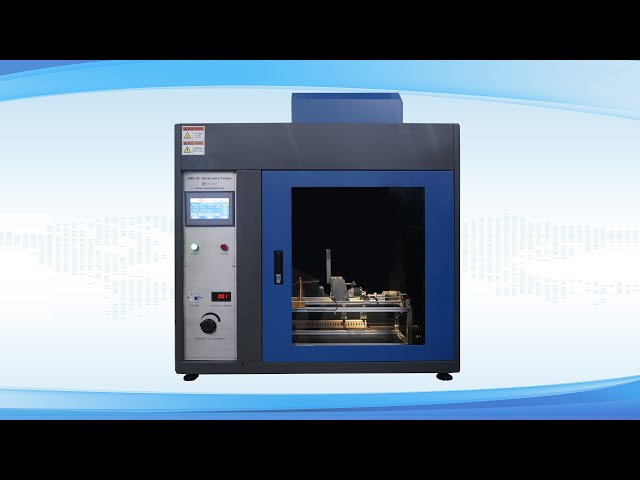
When selecting glow wire testing apparatus, several critical factors must be considered to ensure equipment meets specific testing requirements and regulatory compliance needs. Primary considerations include the required temperature range (typically up to 960°C for most applications, with some requiring 1100°C), timing accuracy requirements (±0.1s is standard), and automation level needed for testing volume. Equipment should be selected based on applicable standards compliance (IEC 60695-2 series, GB/T 5169 series, UL 746A) and whether cabinet-enclosed safety features are required for the operating environment. Budget considerations should balance initial equipment cost with long-term reliability, calibration requirements, and after-sales support availability. The decision between cabinet (ZRS-3H, 180kg) and non-cabinet (ZRS-3HS, 40kg) models depends on laboratory space constraints, safety requirements, and portability needs.
Implementing glow wire testing capabilities requires careful attention to laboratory infrastructure, operator training, and quality assurance procedures. Laboratory installation must provide appropriate electrical power supply, ventilation for combustion byproduct removal, and fire safety systems including extinguishers and suppression equipment. Regular calibration of temperature measurement systems is essential, typically requiring annual verification by accredited calibration laboratories. Operators must receive comprehensive training on standard test procedures (IEC 60695-2-10, GB/T 5169.10-2023), equipment operation, safety protocols, and result interpretation. Quality management systems should incorporate equipment maintenance schedules, calibration tracking, proficiency testing participation, and audit trails to ensure test result integrity. Data management systems must securely store test results with traceability to specific test conditions and equipment configurations.
Practical implementations of glow wire testing equipment demonstrate its value across diverse industrial applications. Electronic component manufacturers utilize ZRS-3H apparatus for incoming material inspection of plastic housings and structural components, ensuring compliance with IEC 60335-1 and GB/T 4706.1-2023 requirements before assembly. Automotive suppliers apply glow wire testing to validate material selection for under-hood electronic modules, where temperatures can exceed 100°C during vehicle operation, requiring materials with GWIT values above 750°C. Lighting equipment manufacturers conduct comprehensive testing on LED drivers and luminaires to meet GB 7000.1-2015 and IEC 60598-1:2020 fire safety requirements.
Third-party testing laboratories implement ZRS-3H systems for certification testing services supporting manufacturers seeking SGS, UL, CQC, and other regulatory approvals. The equipment’s reliability and repeatability have been validated through over 10 years of market presence with positive user feedback on product quality and after-sales support.
The evolution of glow wire testing technology continues to advance in response to emerging material developments, regulatory changes, and digital transformation trends. Integration of Industry 4.0 technologies enables remote monitoring, predictive maintenance, and automated test report generation through IoT connectivity and cloud-based data platforms. Artificial intelligence and machine learning algorithms are being explored for automated flame detection, ignition time measurement, and result interpretation to reduce human subjectivity and improve test accuracy.
Material science advances, including halogen-free flame retardants and bio-based polymers, require expanded testing methodologies and potentially new standard requirements for evaluating novel material behaviors under glow wire conditions. Regulatory harmonization efforts between IEC, regional standards organizations, and national bodies continue to simplify global compliance requirements while maintaining technical rigor. The growing emphasis on electric vehicle battery safety presents new challenges and opportunities for glow wire testing applications in high-voltage electrical systems.
Glow wire apparatus testing represents a fundamental methodology for evaluating fire safety performance of electrical and electronic products, providing critical data for material selection, product design, and regulatory compliance. This paper has presented a comprehensive analysis of glow wire testing technology, examining the underlying principles, standard requirements, and technical specifications of modern testing equipment such as the LISUN ZRS-3H system. The integration of precise temperature control, accurate timing measurement, and robust safety features enables reliable and reproducible test results essential for quality assurance and certification processes.
As fire safety requirements continue to evolve and new materials emerge in response to environmental and performance demands, glow wire testing equipment will remain an indispensable tool for manufacturers and testing laboratories worldwide. Continued advancement in automation, data management, and testing methodologies will further enhance the capabilities and applications of glow wire apparatus technology in ensuring product safety and fire hazard prevention.
Tags:ZRS-3HYour email address will not be published. Required fields are marked *

 English
 中文简体
中文简体 English
 Русский
 Español
 Português
 Türkçe
 العربية
 Deutsch
 Polski
 Italiano
 Français
 한국어
한국어 ไทย
ไทย Tiếng Việt
 日本語
日本語