LM-79 Moving Detector Goniophotometer (Mirror Type C)
LSG-6000
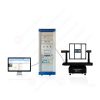
High Precision Rotation Luminaire Goniophotometer
LSG-1890B
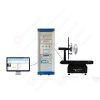
High Precision Rotation Luminaire Goniospectroradiometer
LSG-1890BCCD

Goniophotometer for Automotive and Signal Lamps
LSG-1950
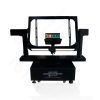
Goniophotometer for Traffic Signal Lamps (Economical Model)
LSG-1950S
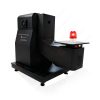
VAD Fire Alarm Visual Alert Device Goniophotometer
LSG-1930
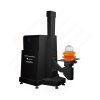
Goniophotometer for Airfield Lighting
LSG-1940
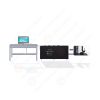
Compact Goniophotometer
LSG-1200A
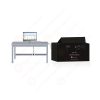
LED Goniophotometer
LSG-1100
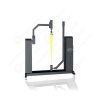
Near Field Moving Detector Goniophotometer
LSG-1900B
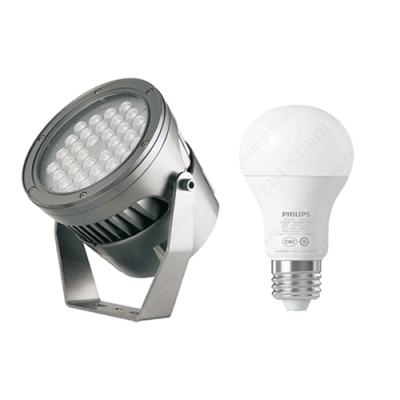 LEDs and Luminaire Test Solutions
 LM-79 and LM-80 Test Solutions
 LED Driver Test Solutions
 Household Appliances Test Solutions
 Mobile and Network Test Solutions
 Automotive Electronics Test Solutions
 Audio-Video and IT Test Solutions
 Cable and Wire Test Solutions
 Plugs and Sockets Test Solutions
 Power Switch Test Solutions
 Transformer Test Solutions
 Electric Toys Test Solutions
 Energy Meter Test Solutions
 Motor-Operated Tool Test Solutions
Select an organization
to browse standards
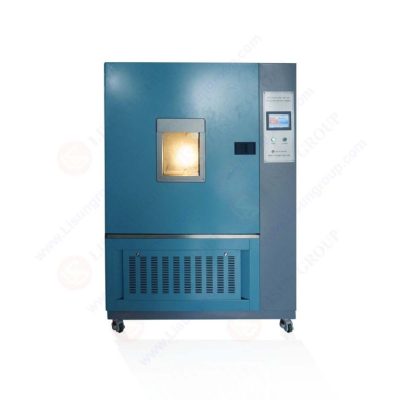
The use of high temperature test equipment is critical in whether materials would be able to survive and perform reliably under high thermal stress. Heat resistance cannot be just the ability not to fail immediately. It includes long term transformations like loss of mechanical strength and loss of chemical level as it relates to oxidation phases transformation. These impacts affect safety life and regulatory compliance in other sectors such as electronics automotive aerospace construction and energy systems.
The qualification programs of materials are thus based on the controlled thermal exposure to initiate degradation mechanisms in a repeatable and predictable manner. The goal is to know thresholds rates and failure modes not necessarily to pass over one temperature point. To make sure that the behavior that is observed is relevant to intrinsic material properties and not artifacts of bad control or non-uniform exposure, it is important to select the right high temperature test equipment.
The essential characteristic of the test equipments; high temperature is the range of usable temperature and its capability to remain constant within the range. Testings of materials usually require exposure that is far above normal operating temperatures in order to hasten admissions of aging. Machinery should be able to hit these levels without accidents and maintain them. The slightest variations could cause the change in reaction kinetics and distort heat resistance.
Uniformity and accuracy of control are also important. Distribution of temperature in the test space causes unequal stress in the specimens and makes the interpretation complicated. Sophisticated systems employ the multi zone heating and optimization of the airflow to ensure the consistency of the conditions. Temperature mapping can verify that the setpoint values reflect that of the actual environment a material is being subjected to.
Another consideration is the ramp rate control. Quick heating can cause the effects of thermal shock whereas slow ramps encourage equilibrium. Ramp profiles as per the failure mechanism intended must be stipulated in test plans. Programmable ramps and dwell periods are enabled by equipments that facilitate more evaluation strategies. Combined with a climate chamber capability humidity and temperature can be synchronized to investigate the synergies between them like thermo oxidative aging and moisture driven degradation.
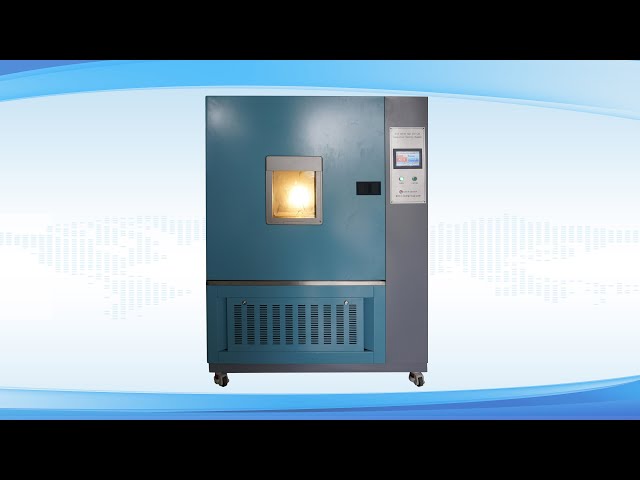
The heat environments surrounding temperature require high-demands on the construction of the chambers and the interior materials. Seals and structural components of insulation should be able to resist prolonged exposure to heat and they should not out gas and lose their integrity. The released contaminants of materials used in the chambers may react to test specimens and bias findings in particular to polymer and composites.
Interiors need to be unproductive and simple to wash. Metallic linings that are finishes resist oxidation and prevent the formation of particles. Ceramic parts and special insulation can be needed to extremes of temperature. The observation and instrumentation of windows and feedthroughs should be thermally intact.
Specimen fixtures are of importance too. The racks and holders should be resistant to heat without being heat sinks or cause of stress concentration. The materials used must be compatible in order to have fixtures not emerging as the limiting factor of the test. Similarity in the design of the fixtures helps in comparability of results between test runs and laboratories.
A test of the resistance to heat cannot be done merely by subjecting materials to heat. Continuous monitoring is used to maintain and achieve the exposures conditions. Accurate sensors should be combined with high temperature equipment that is set to simulate specimen conditions not just air temperature. Multimedia redundant sensing enhances confidence and allows localized anomalies to be detected.
Traceability requires data logging. Documenting of temperature profiles ramp rates and dwell times enables relaxation of the exposure history that is associated with material changes observed. Drift detection is of importance in long duration tests. Deviation flagging in alarms safeguard the validity of tests and save time.
Accompanying external measurement systems are improved insight. Monitored mechanical electrical or chemical properties can be during or after exposure. Thermocouples strain gauges or electrical leads must have seals that maintain chamber integrity. Comparing the environmental data with the material response enables better interpretation and aids in modeling.
The fact that it operates in a high-temperature context brings in safety considerations which cannot be ignored. The cutoffs and interlocks are independent and automatic cutoffs that are used to protect runaway conditions when heated over. The fumes are eliminated by proper ventilation and the operators are safeguarded. Electrical systems should be rated at continuous heat in order to prevent breakdown of the insulation and fire.
Long term value is a product of reliability through repeated cycles. SCADA Heating elements sensors and controllers are stressed when subjected to high temperatures. Constant duty equipment contains features that have suitable margins and can be serviced through convenient means. The service intervals and diagnostic characteristics become predictable which minimizes downtime and ensures accuracy.
The calibration and documentation is also required in adherence to the laboratory quality systems. Sensors should be checked at a specific frequency and records should be capable of illustrating traceability. Audits and accreditation are facilitated with equipment which eases access to calibration and documentation.
Various materials require varying testing requirements. Polymers can have a need to be highly controlled around glass transition temperature whereas metals can be in need of exposure around oxidation levels. There is additional complexity with ceramics and composites. The choice of high temperature test equipment is initiated by the definition of the mechanisms of interest and the environmental parameters necessary to turn them on.
During most solutions heat resistance testing is integrated with other stresses. The ability to combine temperature and humidity in a climate chamber enables the assessment of the effects that are likely to be combined in a service environment setting. Systems that are flexible to changes in test requirements are modular and safeguard future activities.
Laboratories tend to depend on established suppliers to help them pass such decisions. As an illustration, LISUN offers high temperature and environmental testing solutions, which are meant to produce consistent control steady construction and in-depth monitoring to material assessment applications. The presence of suppliers and knowledge on application helps yield successful test results.
Heat resistance testing in materials needs high temperature test equipment which can provide good stable and consistent thermal exposure coupled with maintaining safety and data integrity in monitoring. The compatibility control performance and reliability of the construction material used in chambers all have an impact on the results that can be obtained through measuring the material behavior. Combined with additional complementary capacities like a climate chamber method heat resistance testing is an effective instrument in qualification design validation and long-term reliability insurance. Proper choice of equipment, and adherence to rigorous procedures will assure that thermal testing can offer valuable and reasonable information on the performance of materials.
Tags:GDJS-015BYour email address will not be published. Required fields are marked *

 English
 中文简体
中文简体 English
 Русский
 Español
 Português
 Türkçe
 العربية
 Deutsch
 Polski
 Italiano
 Français
 한국어
한국어 ไทย
ไทย Tiếng Việt
 日本語
日本語