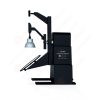
LM-79 Moving Detector Goniophotometer (Mirror Type C)
LSG-6000
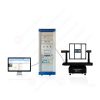
High Precision Rotation Luminaire Goniophotometer
LSG-1890B
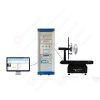
High Precision Rotation Luminaire Goniospectroradiometer
LSG-1890BCCD

Goniophotometer for Automotive and Signal Lamps
LSG-1950
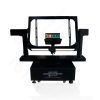
Goniophotometer for Traffic Signal Lamps (Economical Model)
LSG-1950S
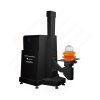
Goniophotometer for Airfield Lighting
LSG-1940
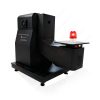
VAD Fire Alarm Visual Alert Device Goniophotometer
LSG-1930
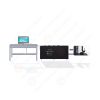
Compact Goniophotometer
LSG-1200A
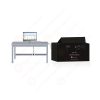
LED Goniophotometer
LSG-1100
Near Field Moving Detector Goniophotometer
LSG-1900B
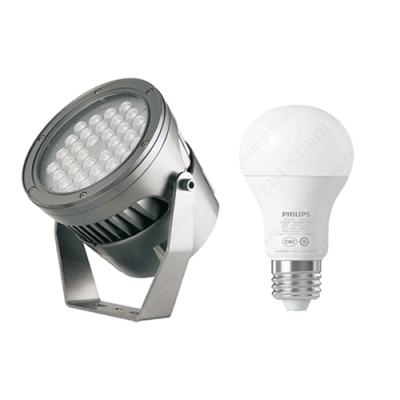 LEDs and Luminaire Test Solutions
 LM-79 and LM-80 Test Solutions
 LED Driver Test Solutions
 Household Appliances Test Solutions
 Mobile and Network Test Solutions
 Automotive Electronics Test Solutions
 Audio-Video and IT Test Solutions
 Cable and Wire Test Solutions
 Plugs and Sockets Test Solutions
 Power Switch Test Solutions
 Transformer Test Solutions
 Electric Toys Test Solutions
 Energy Meter Test Solutions
 Motor-Operated Tool Test Solutions
Select an organization
to browse standards
A salt testing machine is a very important device to test the capability of the industrial coating to withstand corrosive environment during the period of the planned service. In industries where automotive aerospace construction and heavy machinery coating are used, appearance is not considered to only be important but corrosion resistance against chloride caused corrosion is the criteria. Customers and regulatory agencies use standardized corrosion tests to provide uniformity and inter-supplier consistency. Multipurpose CASS test chamber is controlled accelerated environments that display the flaws of coating, way before they occur in actual service which explains their integration in the majority of coating qualification and quality assurance regimes.
The industrial coating standards do not merely involve being exposed to salty atmospheres. They specify harsh requirements on specimen orientation and evaluation standards in temperature solution chemistry sprays. Such conditions require repeatability and documentability by the testing machine in order to comply with these conditions. An effective salt testing system is hence a device of creating stress as well as a research instrument ensuring compliance.
The main purpose of salt tester machine is to a constant and standardized corrosive environment. This starts with the accurate regulation of salt solution concentration that is usually expressed in percentage of mass of sodium chloride that is dissolved in deionized water. Minimum fluctuations at concentration alter electrolyte conductivity and intersect upon corrosion rate. Industrial norms thus stipulate of small tolerance areas that are to be observed by the machine over the period of the test.
Controlling of the temperature is also vital. Most tests that are carried out on neutral salt spray and accelerated corrosion tests need a temperature of about 35 degrees Celsius in the chamber. The changes caused by fluctuations modify the kinetics and oxygen solubility of a reaction resulting in erratic results. The temperature control and constant monitoring of modern machines also make them stable even in the long-test cycle.
Another compliance paramount parameter is sprays generation. The atomization system should aim at creating a fine uniform mist that will be uniformly dispersed on all the test specimen. When there is non-uniform distribution of sprays, this results in localized over testing or under testing which invalidates comparisons. The spray rate must be verified regularly according to the industrial standards with collection funnels lying in specific locations within the chamber. A compliant salt testing machine is one that will give a uniform deposition as well as easy verification without disturbing other tests being carried out.
When demanding high standards like copper are needed the machine should have the ability to accommodate other chemistries and narrow the pH control. The most interesting such demonstration is the CASS test chamber with the copper chloride and acetic acid put in the salt solution to make the environment more aggressive.
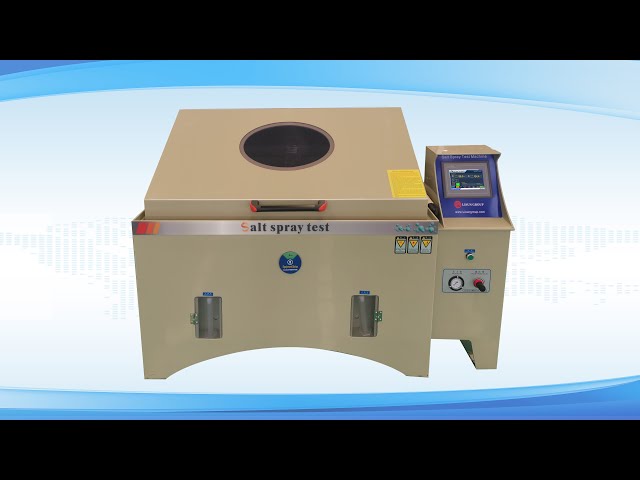
Exposure is not enough to generate compliance. The standards of industrial coating outline the preparation positions and after-test evaluation of the specimens. To facilitate compliance, a salt testing machine has a standardized specimen racks equally in angles and spaces. Proper orientation makes the flow of the condensate and deposition of salts reflected at worst conditions instead of optimal drainage.
Following exposure evaluation requirements including the level of rust percent blistering scribe creep and underfilm corrosion. Although the machine is not involved in the task of providing an evaluation it will have to ensure that the conditions of the exposure will be reproducible such that visual and quantitative analysis will be fruitful. Such as poor control of humidity may add too much condensation and thus over exaggerate blistering and also reduced wetting can slow the onset of corrosion.
Various standards of coating set various exposure limits and limits of acceptance. In automotive standards it can take hundreds of hours to have a specified scribe corrosion limit as opposed to aerospace standards which may involve additions of salt exposure followed by additional humidity or drying conditions. It is compatible with a programmable cycles and a stable long term run which is enabled by the compliant salt testing machine to carry out these elaborate protocols when manually operated.
The following table demonstrates the ability of salt testing machines in terms of matching the typical coating standards.
| Application sector | Salt testing method | Required machine capability | Compliance objective |
| Automotive body and exterior panels | Neutral salt spray test | Precise temperature regulation and uniform salt fog deposition across specimens | Confirms corrosion resistance and coating adhesion under simulated road salt exposure |
| Decorative chrome and trim components | CASS accelerated corrosion test | Acid resistant chamber construction with stable copper ion and pH control | Rapid assessment of multilayer decorative coating durability and defect resistance |
| Aerospace aluminum alloy parts | Salt spray corrosion test | Long duration stability with controlled specimen orientation and drainage | Evaluates susceptibility to pitting corrosion and underfilm attack in operational environments |
| Industrial powder coated steel structures | Salt spray test with scribed samples | Consistent spray rate and adjustable specimen rack configuration | Measures scribe creep propagation and edge protection effectiveness of coatings |
The contemporary compliance conditions demand more than pass or fail results. The laboratories have to prove that the tests were performed as stated in the given standard and all parameters were within tolerance. The need to test the salt is facilitated by a salt testing machine with inbuilt data logging and alarm systems.
The constant recording of the temperature spray rate and solution condition evidence that the exposure conditions were not out of control. Alarm functions will alert operators in case of parameters that are going out of reach to allowable parameters allowing corrective measures to be taken before compliance is lost. This is a necessary level of documentation when auditing a customer or doing a review of third party certification.
Calibration and maintenance is also traceable. Temperature and rate of sprays sensors should be calibrated after specific intervals. Industrial-compliant machines have convenient calibration points and a documented procedure that helps ease the process of continued verification. The lack of these features can result in the failure of an audit of the technically capable machine because of the lack of documentation.
Salt testing machines are frequently incorporated in a wider quality management system by the laboratories. Automated report generation and export data simplifies compliance documentation and minimizes the errors made in the process of manual transcription. The suppliers like LISUN design salt testing equipment with these realities of operation with such systems providing those that aid in supporting technical operation and audit preparedness.
Standards of industrial coating are dynamic due to change in materials and service environments. Salt testing machine should be flexible therefore. Laboratories can also update test protocols easily by modular spray systems that adjust racks and programmable controllers, without changing any major equipment. This flexibility cushions investment and keeps it up to date with changes in standards as they are updated.
There is also a compliance issue of long term reliability. Corrosions environments are predetermined as harsh and destroy materials of a chamber with time. Compliance machines are made in a corrosion resistant material and hardcore components to ensure the machine lasts many years before it is discontinued. Competency in maintenance and re-placement of consumables including nozzles and seals comes under sustaining compliance as opposed to doing upkeep.
A salt testing machine helps in ensuring that the prescribed industrial standards on coating are met through, provision of controlled repeative and well documented corrosive conditions that match the standardized test procedures. Having accurate control of spray chemistry and temperature in order to facilitate harsh protocols like the CASS test chamber the machine is the pillar of plausible corrosion qualification. Accelerated corrosion testing can be converted into an undeniable and industry credible compliance process when combined with appropriate specimen preparation analysis and data traceability a well-thought-out salt testing machine.
Tags:YWX/Q-015Your email address will not be published. Required fields are marked *

 English
 中文简体
中文简体 English
 Русский
 Español
 Português
 Türkçe
 العربية
 Deutsch
 Polski
 Italiano
 Français
 한국어
한국어 ไทย
ไทย Tiếng Việt
 日本語
日本語