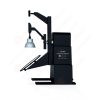
LM-79 Moving Detector Goniophotometer (Mirror Type C)
LSG-6000
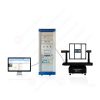
High Precision Rotation Luminaire Goniophotometer
LSG-1890B
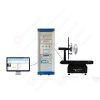
High Precision Rotation Luminaire Goniospectroradiometer
LSG-1890BCCD

Goniophotometer for Automotive and Signal Lamps
LSG-1950
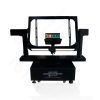
Goniophotometer for Traffic Signal Lamps (Economical Model)
LSG-1950S
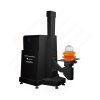
Goniophotometer for Airfield Lighting
LSG-1940
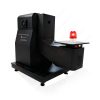
VAD Fire Alarm Visual Alert Device Goniophotometer
LSG-1930
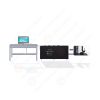
Compact Goniophotometer
LSG-1200A
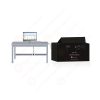
LED Goniophotometer
LSG-1100
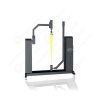
Near Field Moving Detector Goniophotometer
LSG-1900B
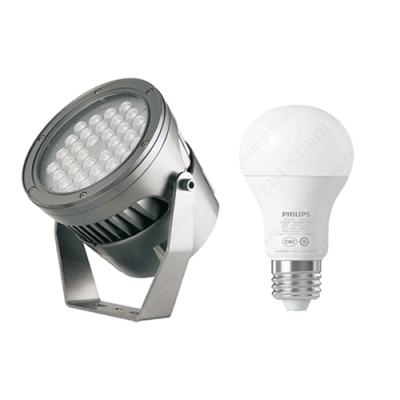 LEDs and Luminaire Test Solutions
 LM-79 and LM-80 Test Solutions
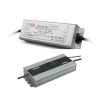 LED Driver Test Solutions
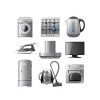 Household Appliances Test Solutions
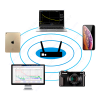 Mobile and Network Test Solutions
 Automotive Electronics Test Solutions
 Audio-Video and IT Test Solutions
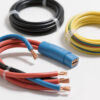 Cable and Wire Test Solutions
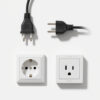 Plugs and Sockets Test Solutions
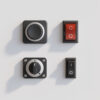 Power Switch Test Solutions
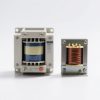 Transformer Test Solutions
 Electric Toys Test Solutions
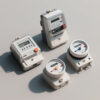 Energy Meter Test Solutions
 Motor-Operated Tool Test Solutions
Select an organization
to browse standards

Product No: SMT-0211
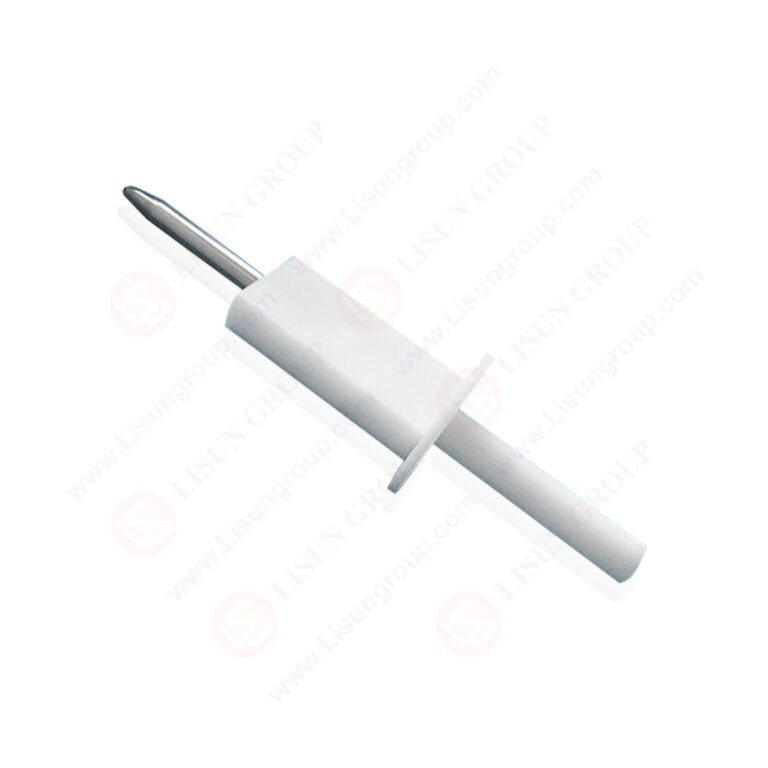
IEC 61032 Figure 1 (Test Probe 1) Rigid Test Finger with Non-Circular Stop Face is a specialized safety tool designed to simulate human finger access, verifying if hazardous live or mechanical parts in electrical equipment remain inaccessible. It features a rigid stainless steel “finger” for consistent testing and a non-circular stop face (e.g., rectangular or hexagonal) that prevents over-insertion into equipment enclosures. Paired with an insulating nylon handle for safe grip, it’s essential for compliance checks across appliances, IT devices, and industrial equipment, ensuring end-user protection from electric shock or mechanical harm.
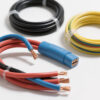
LISUN's cable and wire test solutions are essential for verifying compliance with international...
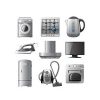
LISUN's household appliance testing solutions are fully compliant with IEC 60335, the fundamental...
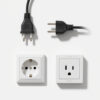
LISUN's plugs and sockets test solutions are designed to ensure compliance with key international...
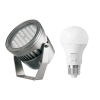
LISUN's indoor and outdoor LED luminaires and LED fixtures test solutions fully cover key...

 English
 中文简体
中文简体 English
 Русский
 Español
 Português
 Türkçe
 العربية
 Deutsch
 Polski
 Italiano
 Français
 한국어
한국어 ไทย
ไทย Tiếng Việt
 日本語
日本語