LM-79 Moving Detector Goniophotometer (Mirror Type C)
LSG-6000
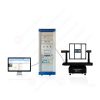
High Precision Rotation Luminaire Goniophotometer
LSG-1890B
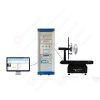
High Precision Rotation Luminaire Goniospectroradiometer
LSG-1890BCCD

Goniophotometer for Automotive and Signal Lamps
LSG-1950
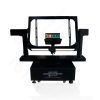
Goniophotometer for Traffic Signal Lamps
LSG-1950S
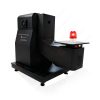
VAD Fire Alarm Visual Alert Device Goniophotometer
LSG-1930
Compact Goniophotometer
LSG-1200A
LED Goniophotometer
LSG-1100
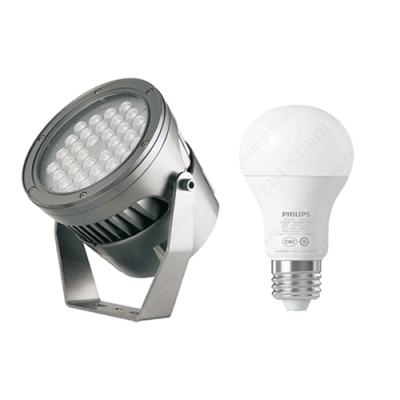 LEDs and Luminaire Test Solutions
 LM-79 and LM-80 Test Solutions
 LED Driver Test Solutions
 Household Appliances Test Solutions
 Mobile and Network Test Solutions
 Automotive Electronics Test Solutions
 Audio-Video and IT Test Solutions
 Cable and Wire Test Solutions
 Plugs and Sockets Test Solutions
 Power Switch Test Solutions
 Transformer Test Solutions
 Electric Toys Test Solutions
 Energy Meter Test Solutions
 Motor-Operated Tool Test Solutions
Select an organization
to browse standards
Introduction
In today’s technologically advanced society, electronic gadgets are ubiquitous and deeply ingrained in our everyday lives. As our reliance on electronic devices continues to grow, so does the need of safeguards against hazards like water.

waterproof test
Producers will use waterproof testing to evaluate the effectiveness of their goods’ water resistance and to award IP (Ingress Protection) ratings. The purpose of this essay is to shed light on IP ratings, dig into the nuances of waterproof testing, and provide readers a thorough grasp of the importance of IP ratings in assessing a device’s resistance to water incursion.
Understanding IP Ratings
The International Electrotechnical Commission (IEC) has standardized the usage of “ingress protection” (IP) ratings as a means of gauging an electronic device’s ability to withstand the infiltration of dust, dirt, and water. The first number in an IP rating denotes the enclosure’s resistance to the introduction of solid objects; the second number denotes its resistance to the introduction of liquids.
One number, from 0 to 6, denotes resistance to dry particles like dust and dirt, whereas two digits, from 0 to 9, denote resistance to wet particles like raindrops and splashes. A higher number indicates that the gadget is more secure against targeted attacks.
The Importance of Waterproof Testing
The integrity of a product’s resistance to the penetration of water is evaluated by the manufacturer using a procedure known as waterproof testing. equipment may have their water resistance claims verified, product dependability maintained, and intellectual property protected by the manufacturer by subjecting the equipment to controlled water exposure circumstances.
Immersion in water, subjecting the item to a water jet, and using a water spray are some of the other methods water resistances may be evaluated. The effectiveness of the device in a variety of water-related scenarios may be evaluated by putting it through these tests, which attempt to be as accurate as possible in their representation of real-world conditions.
Testing for water resistance may help manufacturers improve their designs and remove flaws such as defective seals and inadequate protections. Throughout the whole of this process, the capacity of the devices to obtain the proper IP ratings while being subjected to water in conditions that are representative of everyday life is tested many times.
Decoding IP Rating Digits
Let’s break down what each number in an IP rating really means:
It is crucial to have a good understanding of the necessary IP rating in order to ensure that a device is acceptable for a certain application or environment.
Different Testing Methodologies
Varying methods are used to mimic varying degrees of water exposure in order to determine a product’s waterproofness:
There are a number of distinct approaches to determining the water resistance of a device; yet, each of these approaches yields informative results. The manufacturer will pick a particular testing methodology for the product based on how it is intended to be used and the conditions in which it will be used.
The Significance of IP Ratings
Consumers may make more educated selections when shopping for electronics because to the information provided by IP ratings. Users may better gauge the device’s usefulness in various scenarios by learning about its IP rating.
Devices with higher IP ratings provide more protection against water infiltration and are therefore more suitable for usage in wet environments. For instance, if you want to shoot photographs underwater or use your phone in the rain without worrying about damage, look for a smartphone with an IP68 classification.
Manufacturers may use IP ratings as a standard by which to develop new goods and improve existing ones. Manufacturers’ dedication to quality and durability is shown in their pursuit of better IP ratings.
Misconceptions and Limitations
Misconceptions and limits of IP ratings and waterproof testing must be addressed:
Conclusion
Consumers and producers alike may benefit greatly from learning more about IP ratings and the relevance of waterproof testing. By indicating a product’s level of protection against water intrusion, IP ratings help shoppers make informed decisions.
Manufacturers may rest easy knowing their goods will work as expected thanks to rigorous waterproof testing, while also bolstering their brand’s reputation and gaining a competitive advantage.
Consumers may make educated purchases and manufacturers can prioritize the development of water-resistant gadgets that fulfill customer expectations if manufacturers remove the mystery around IP ratings and emphasize the significance of waterproof testing.
Waterproof certification and IP ratings will become more important as technology develops. Adopting these standards and spending money on rigorous testing procedures will lead to the creation of water-resistant, long-lasting gadgets that will improve user experiences and protect expensive electronics from damage.
Lisun Instruments Limited was found by LISUN GROUP in 2003. LISUN quality system has been strictly certified by ISO9001:2015. As a CIE Membership, LISUN products are designed based on CIE, IEC and other international or national standards. All products passed CE certificate and authenticated by the third party lab.
Our main products are Goniophotometer, Integrating Sphere, Spectroradiometer, Surge Generator, ESD Simulator Guns, EMI Receiver, EMC Test Equipment, Electrical Safety Tester, Environmental Chamber, Temperature Chamber, Climate Chamber, Thermal Chamber, Salt Spray Test, Dust Test Chamber, Waterproof Test, RoHS Test (EDXRF), Glow Wire Test and Needle Flame Test.
Please feel free to contact us if you need any support.
Tech Dep: [email protected], Cell/WhatsApp:+8615317907381
Sales Dep: [email protected], Cell/WhatsApp:+8618117273997
Your email address will not be published. Required fields are marked *
 English
 中文简体
中文简体 English
 Русский
 Español
 Português
 Türkçe
 العربية
 Deutsch
 Polski
 Italiano
 Français
 한국어
한국어 ไทย
ไทย Tiếng Việt
 日本語
日本語