LM-79 Moving Detector Goniophotometer (Mirror Type C)
LSG-6000
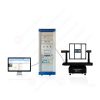
High Precision Rotation Luminaire Goniophotometer
LSG-1890B
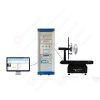
High Precision Rotation Luminaire Goniospectroradiometer
LSG-1890BCCD

Goniophotometer for Automotive and Signal Lamps
LSG-1950
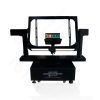
Goniophotometer for Traffic Signal Lamps
LSG-1950S

VAD Fire Alarm Visual Alert Device Goniophotometer
LSG-1930
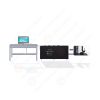
Compact Goniophotometer
LSG-1200A
LED Goniophotometer
LSG-1100
 LEDs and Luminaire Test Solutions
 LM-79 and LM-80 Test Solutions
 LED Driver Test Solutions
 Household Appliances Test Solutions
 Mobile and Network Test Solutions
 Automotive Electronics Test Solutions
 Audio-Video and IT Test Solutions
 Cable and Wire Test Solutions
 Plugs and Sockets Test Solutions
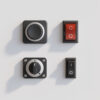 Power Switch Test Solutions
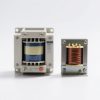 Transformer Test Solutions
 Electric Toys Test Solutions
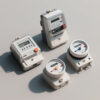 Energy Meter Test Solutions
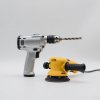 Motor-Operated Tool Test Solutions
Select an organization
to browse standards
Salt spray test is an environmental test that evaluates the corrosion resistance of products or metal materials by simulating a salt spray environment. Salt spray tests are divided into two main categories: natural environmental exposure tests and artificial accelerated simulated salt spray environment tests. The artificial simulated salt spray environment test is conducted using a salt spray test chamber, which creates a salt spray environment within a certain volume space to assess the product’s resistance to salt spray corrosion.
Compared to natural environments, the salt concentration in artificially simulated salt spray environments can be several times or even tens of times higher, accelerating the corrosion rate and shortening the testing time. While testing samples in natural exposure environments may require up to a year, similar results can be obtained within 24 hours in artificially simulated salt spray environments.
Most corrosion occurs in atmospheric environments, where oxygen, humidity, temperature variations, and pollutants are the main factors. Salt spray corrosion is a common and destructive form of atmospheric corrosion, primarily caused by chloride salts found in the ocean, originating from marine and inland saline-alkaline areas. The corrosion of metal material surfaces by salt spray occurs when chloride ions penetrate the metal’s oxide layer and protective layer, leading to electrochemical reactions with the internal metal. Additionally, chloride ions have a certain hydration energy, easily adsorbing into pores and cracks on the metal surface, displacing oxygen in the oxide layer, transforming insoluble oxides into soluble chlorides, and exacerbating metal surface corrosion.
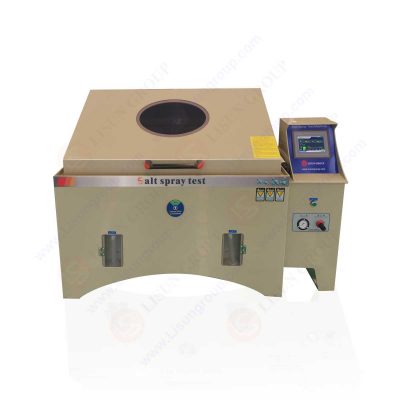
YWXQ-010 Salt Spray Test Chamber
Safety is paramount when using salt spray chambers for testing. Here are some safety precautions for salt spray chambers:
• Grounding: The outer shell of the salt spray chamber must be grounded to prevent the risk of electric shock in case of leakage during testing.
• Reliable Installation: Ensure reliable installation before operating the equipment and avoid testing before proper installation.
• External Power Supply: When placing heated samples in the salt spray corrosion test machine, use an external power supply as the control power source for the samples instead of directly using the machine’s power supply.
• Electrical Cabinet Safety: Non-professionals should not open the electrical cabinet cover to avoid injury from dangerous currents.
• Avoid Touching Moving Parts: Do not touch parts temporarily at rest while the machine is running to prevent injury from sudden part activation.
• Prohibition of Movement: Do not move the salt spray test chamber while samples are inside to prevent sample reversal or dropping.
• Horizontal Installation: The salt spray chamber must be installed horizontally to avoid alarms or unstable controls.
• Secure Fixing: Before use, ensure that the salt spray chamber is securely fixed with adjusted feet to prevent accidental movement when subjected to external forces.
• Read the Manual: Carefully read the safety requirements in the manual and safety signs on the equipment before use to understand the correct operating procedures and precautions.
In summary, following the above safety precautions can effectively ensure the safe operation of salt spray chambers, protecting both users and equipment.
Tags:YWX/Q-010Your email address will not be published. Required fields are marked *


 English
 中文简体
中文简体 English
 Русский
 Español
 Português
 Türkçe
 العربية
 Deutsch
 Polski
 Italiano
 Français
 한국어
한국어 ไทย
ไทย Tiếng Việt
 日本語
日本語