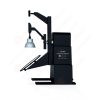
LM-79 Moving Detector Goniophotometer (Mirror Type C)
LSG-6000
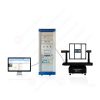
High Precision Rotation Luminaire Goniophotometer
LSG-1890B
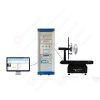
High Precision Rotation Luminaire Goniospectroradiometer
LSG-1890BCCD

Goniophotometer for Automotive and Signal Lamps
LSG-1950
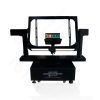
Goniophotometer for Traffic Signal Lamps (Economical Model)
LSG-1950S
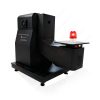
VAD Fire Alarm Visual Alert Device Goniophotometer
LSG-1930
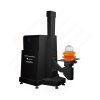
Goniophotometer for Airfield Lighting
LSG-1940
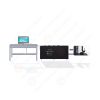
Compact Goniophotometer
LSG-1200A
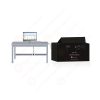
LED Goniophotometer
LSG-1100
Near Field Moving Detector Goniophotometer
LSG-1900B
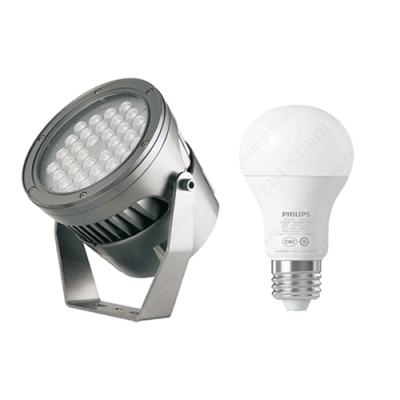 LEDs and Luminaire Test Solutions
 LM-79 and LM-80 Test Solutions
 LED Driver Test Solutions
 Household Appliances Test Solutions
 Mobile and Network Test Solutions
 Automotive Electronics Test Solutions
 Audio-Video and IT Test Solutions
 Cable and Wire Test Solutions
 Plugs and Sockets Test Solutions
 Power Switch Test Solutions
 Transformer Test Solutions
 Electric Toys Test Solutions
 Energy Meter Test Solutions
 Motor-Operated Tool Test Solutions
Select an organization
to browse standards
UL 746C:2001, issued by Underwriters Laboratories (UL) as the fifth edition on November 29, 2001 (ANSI-approved September 23, 2002), is a safety standard that establishes evaluation requirements and test procedures for polymeric materials used in electrical equipment. It applies to polymeric components in electrical devices, covering their performance in real-world applications while excluding dedicated insulating systems addressed by UL 1446. The standard integrates small-scale property test data (referencing UL 746A for short-term and UL 746B for long-term evaluations) and practical testing methods to assess material suitability.
This standard focuses on verifying key safety and performance attributes critical for electrical equipment use, including thermal stability, electrical insulation, mechanical strength, and flammability resistance (aligned with UL 94 flammability classifications). It defines test protocols for evaluating polymeric parts under thermal aging, high-voltage exposure, and mechanical stress, ensuring materials maintain safe functionality without degradation that could cause fire, electric shock, or equipment failure. It also guides material preselection and end-product part evaluation, serving as a foundational reference for UL certification of polymeric components in electrical applications.
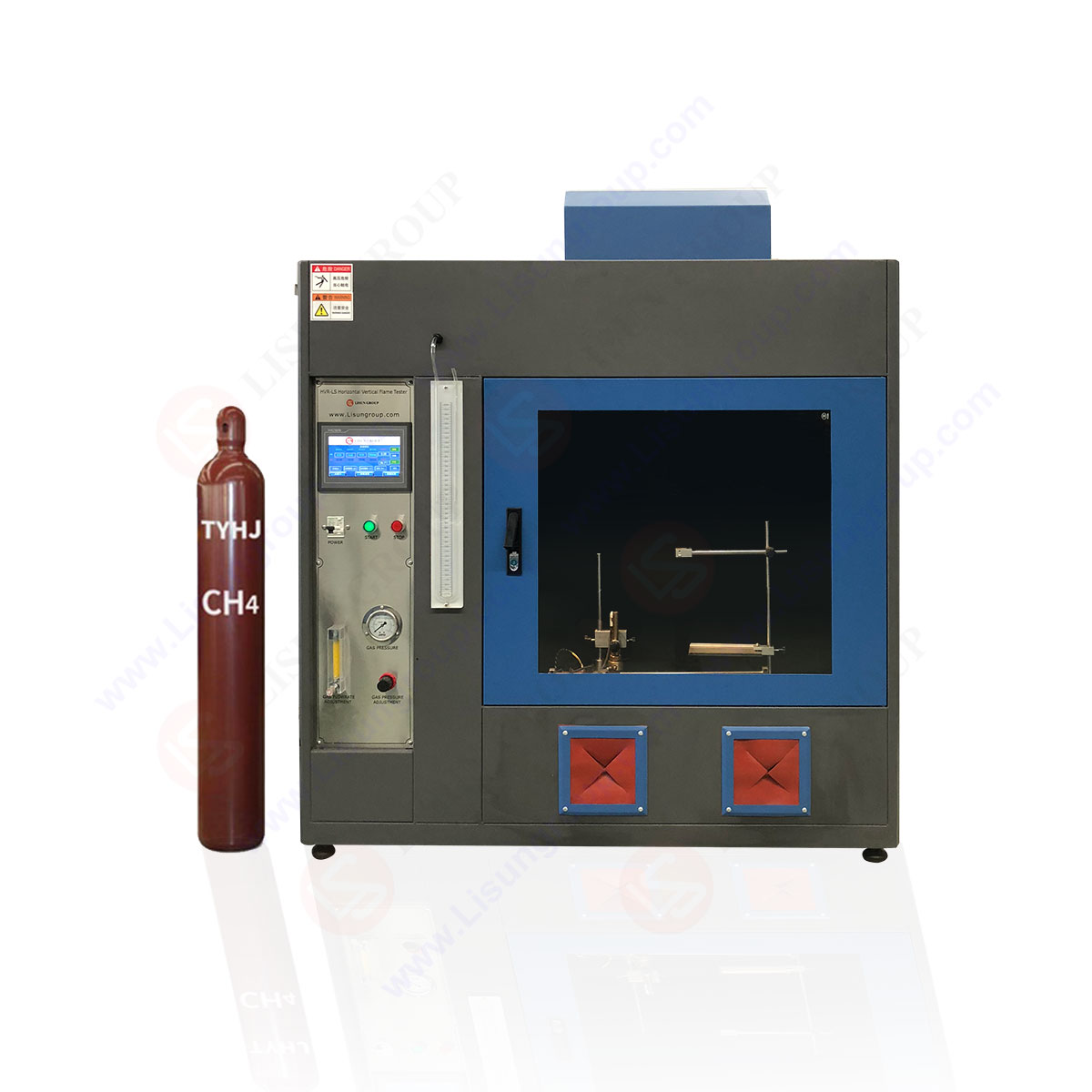
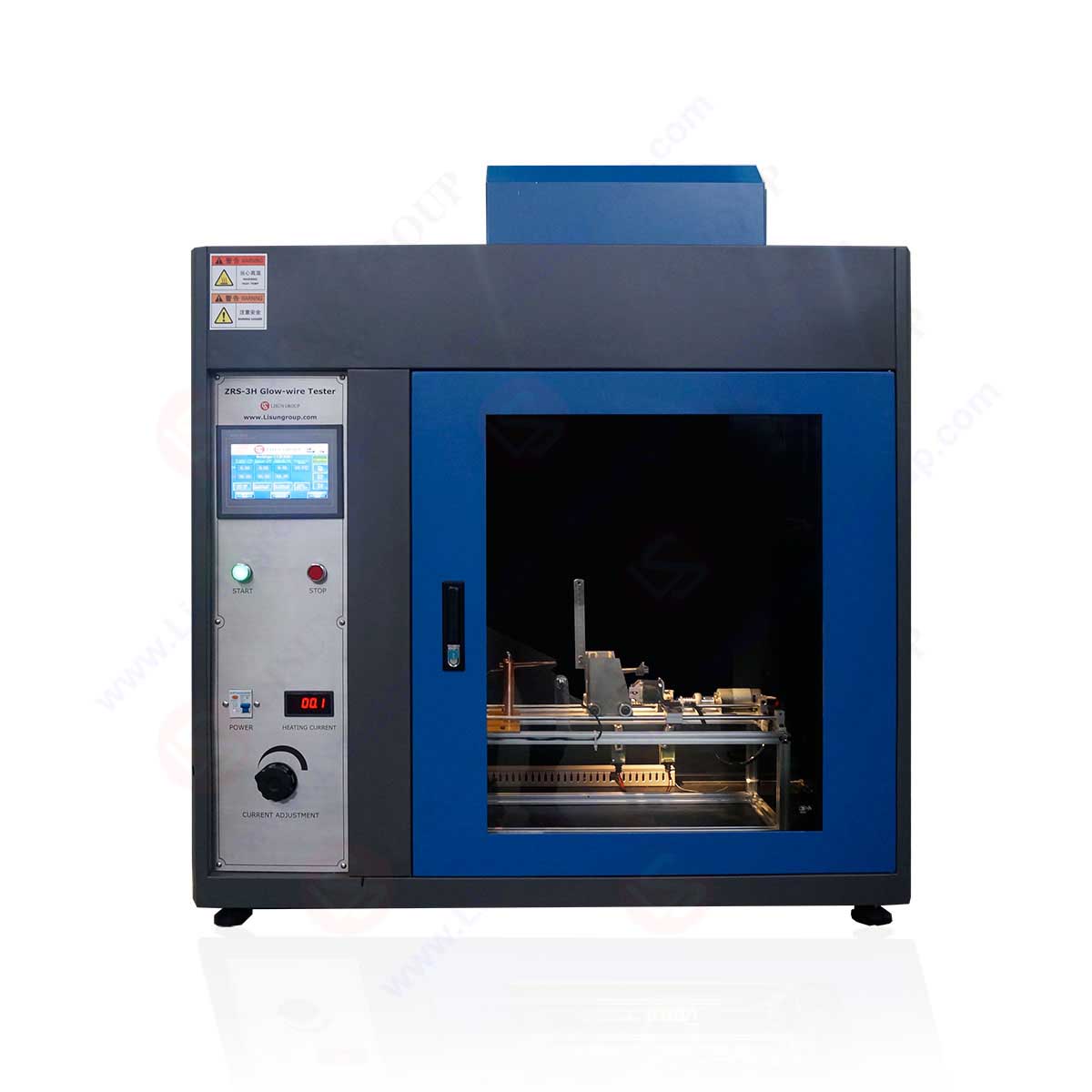
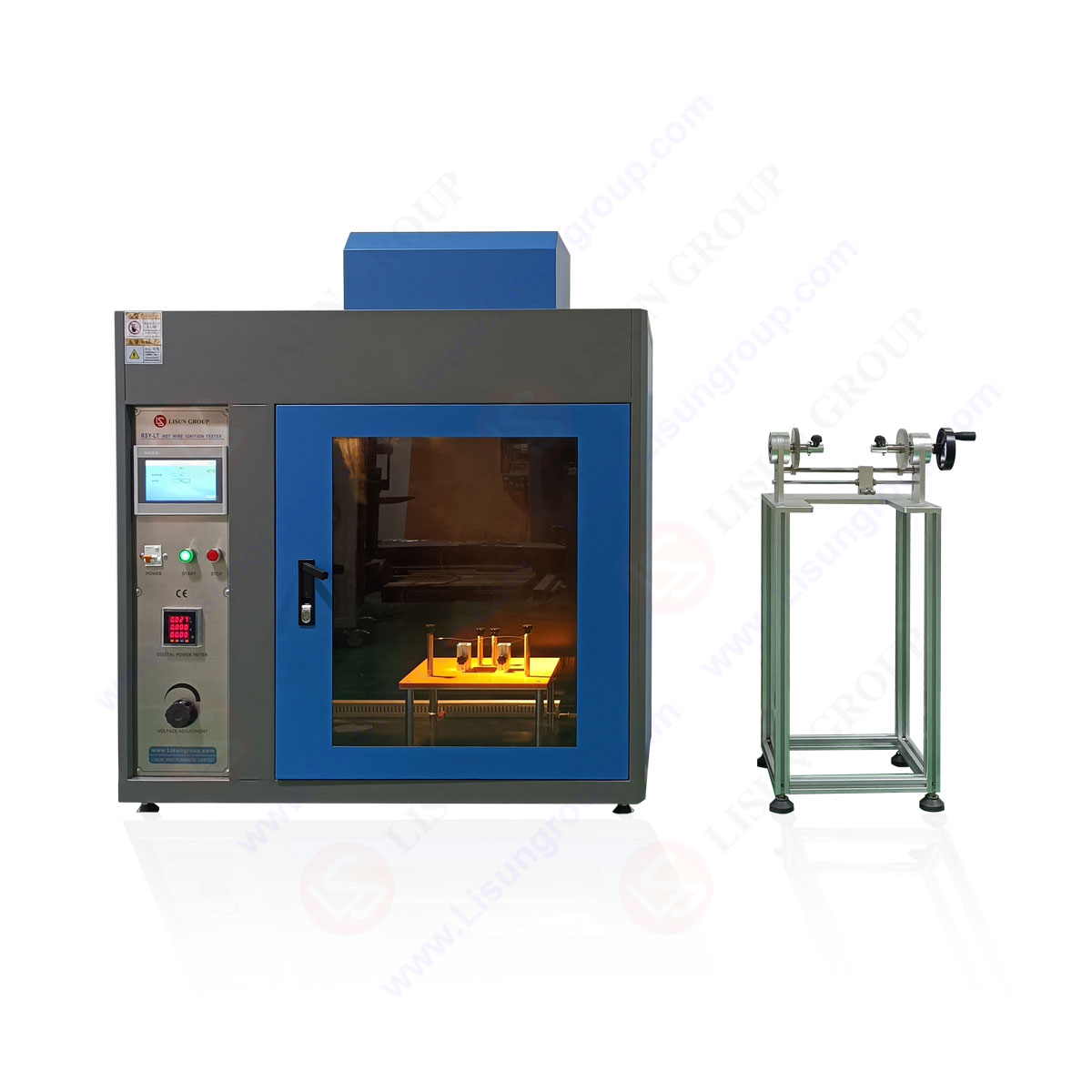
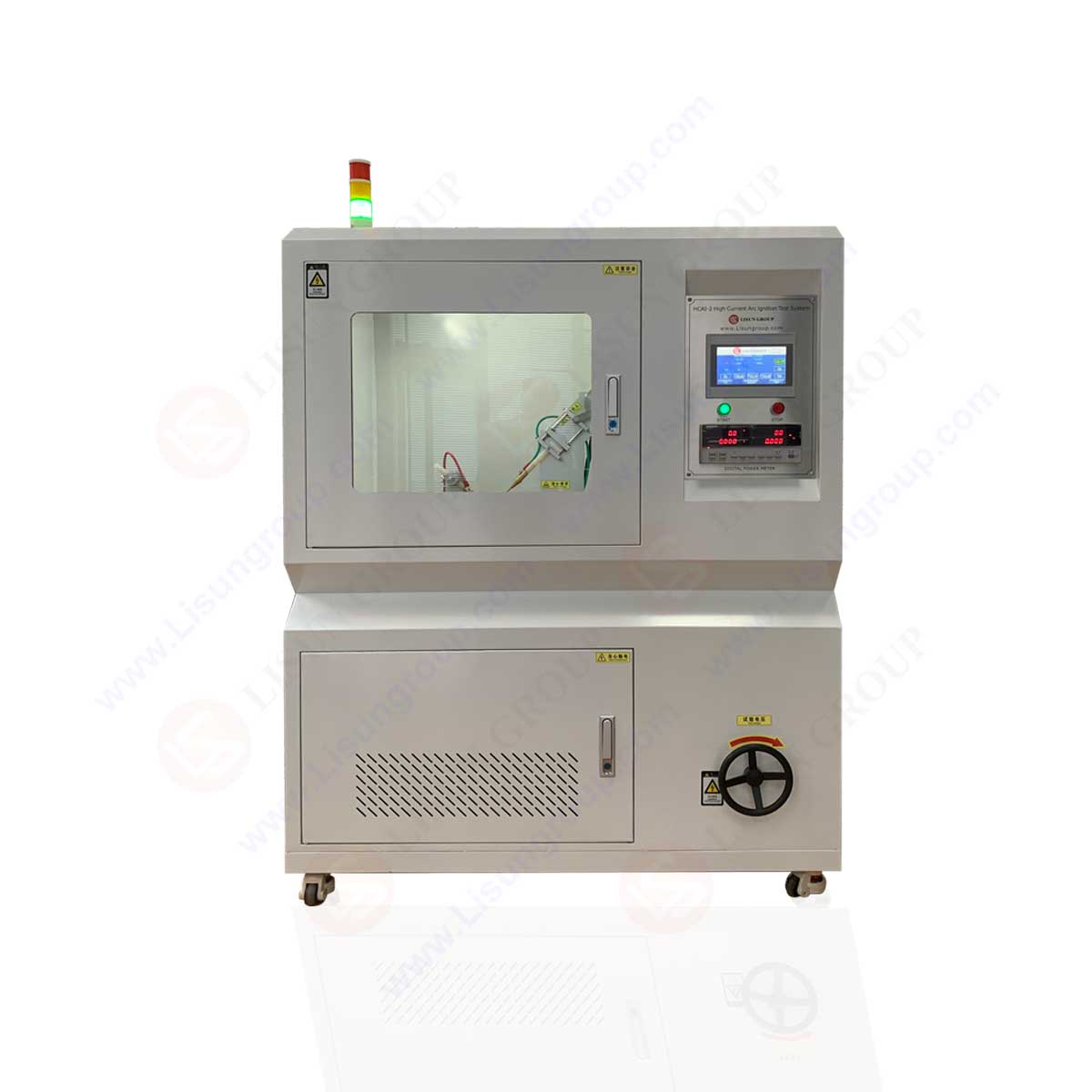
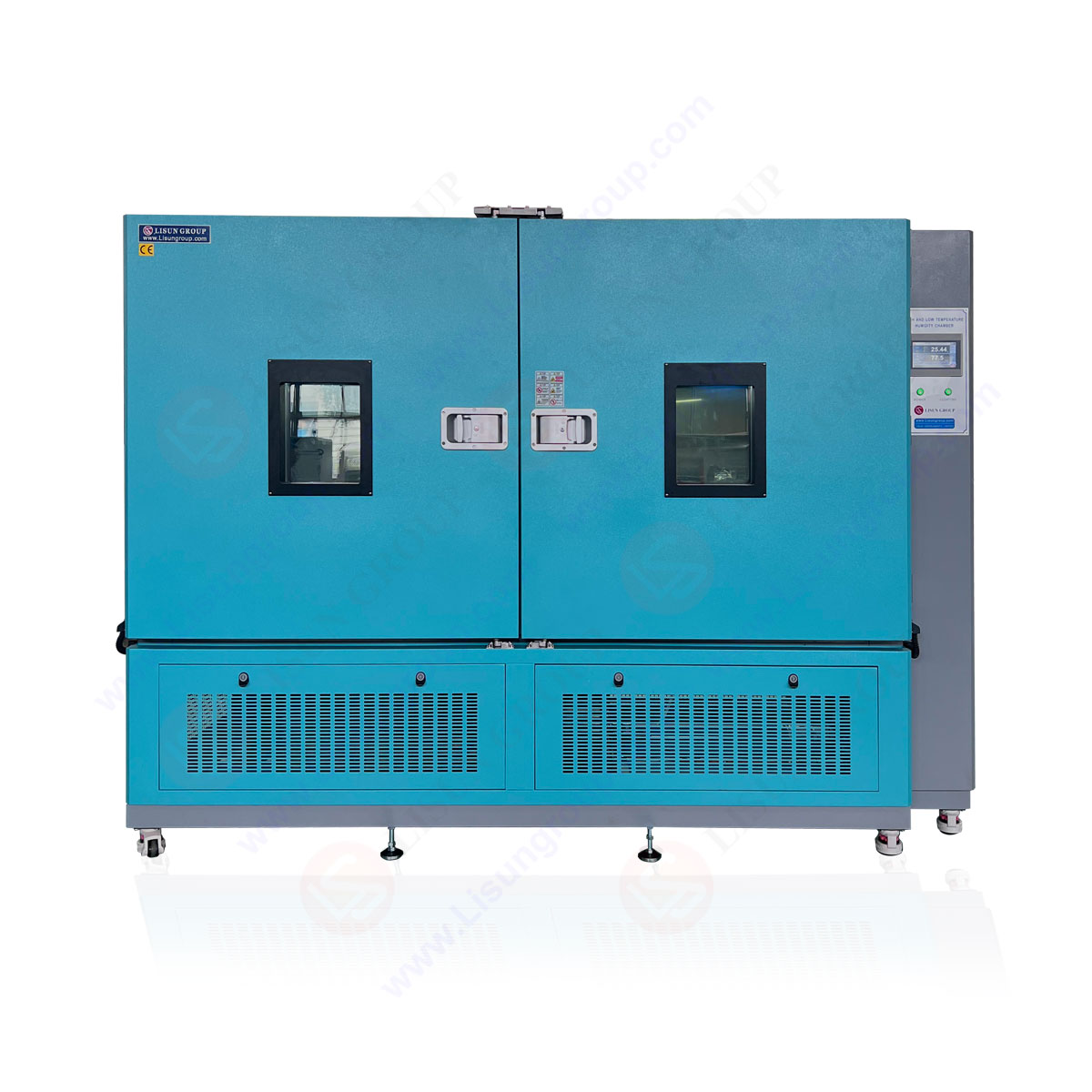
LISUN supplies the fully test solutions for the following UL 746C:2001, please see the below excel table:
| UL 746C:2001 Clause and Subject | LISUN Model |
| 3.13 FLAMMABILITY CLASSIFICATION | HVR-LS |
| 17-19 Flammability | |
| 3.14 GLOW WIRE RESISTANCE TO IGNITION | ZRS-3H |
| 3.18 HOT-WIRE RESISTANCE TO IGNITION | RSY-LT |
| 14 Hot-Wire Ignition (HWl) – Abnormal Overload Test or Glow-Wire End-Product Test | |
| 13 High Current Arc Resistance to Ignition (HAl) | HCAI-2 |
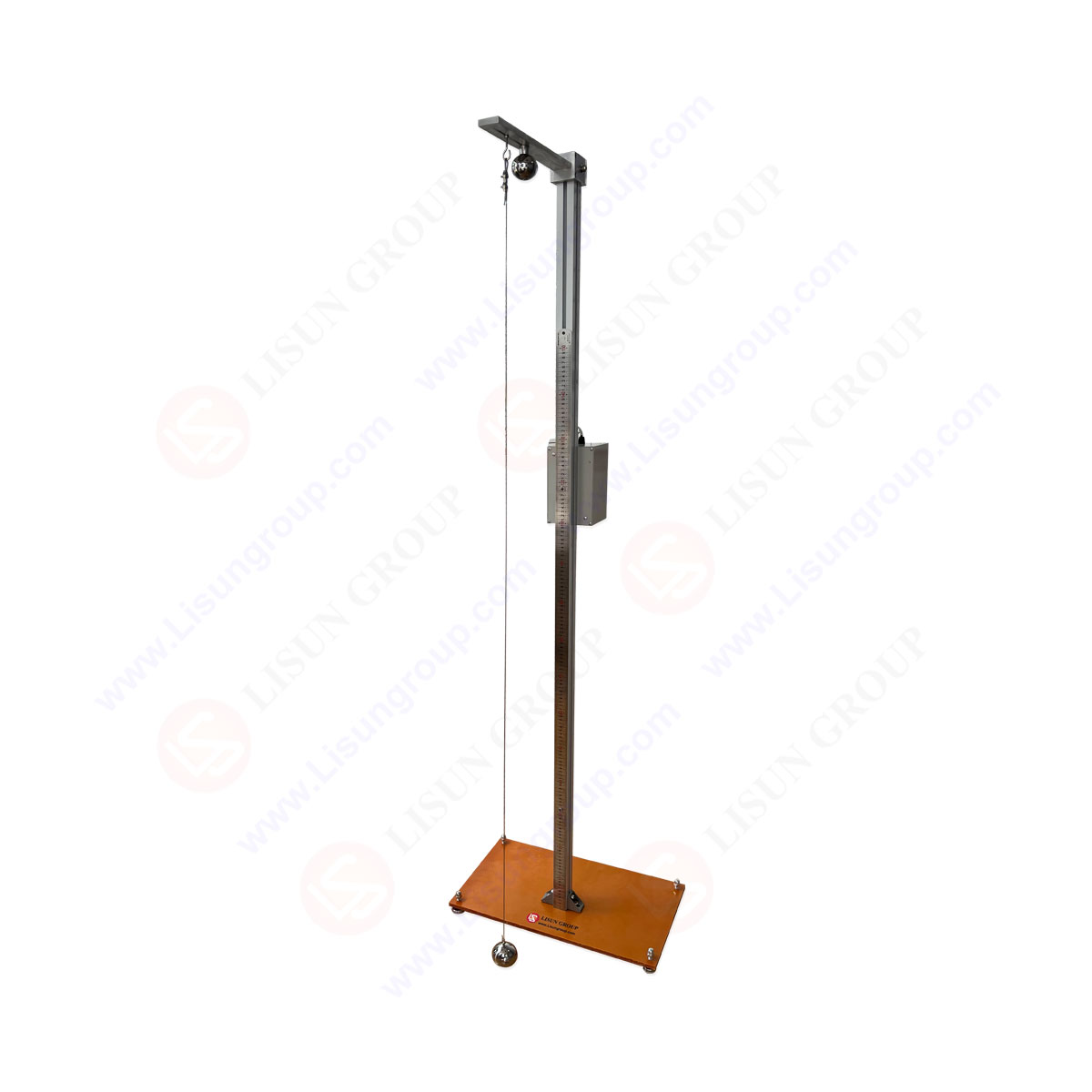
| 24 Resistance to Impact | LS-B33 |
| 57 Resistance to Impact Test | |
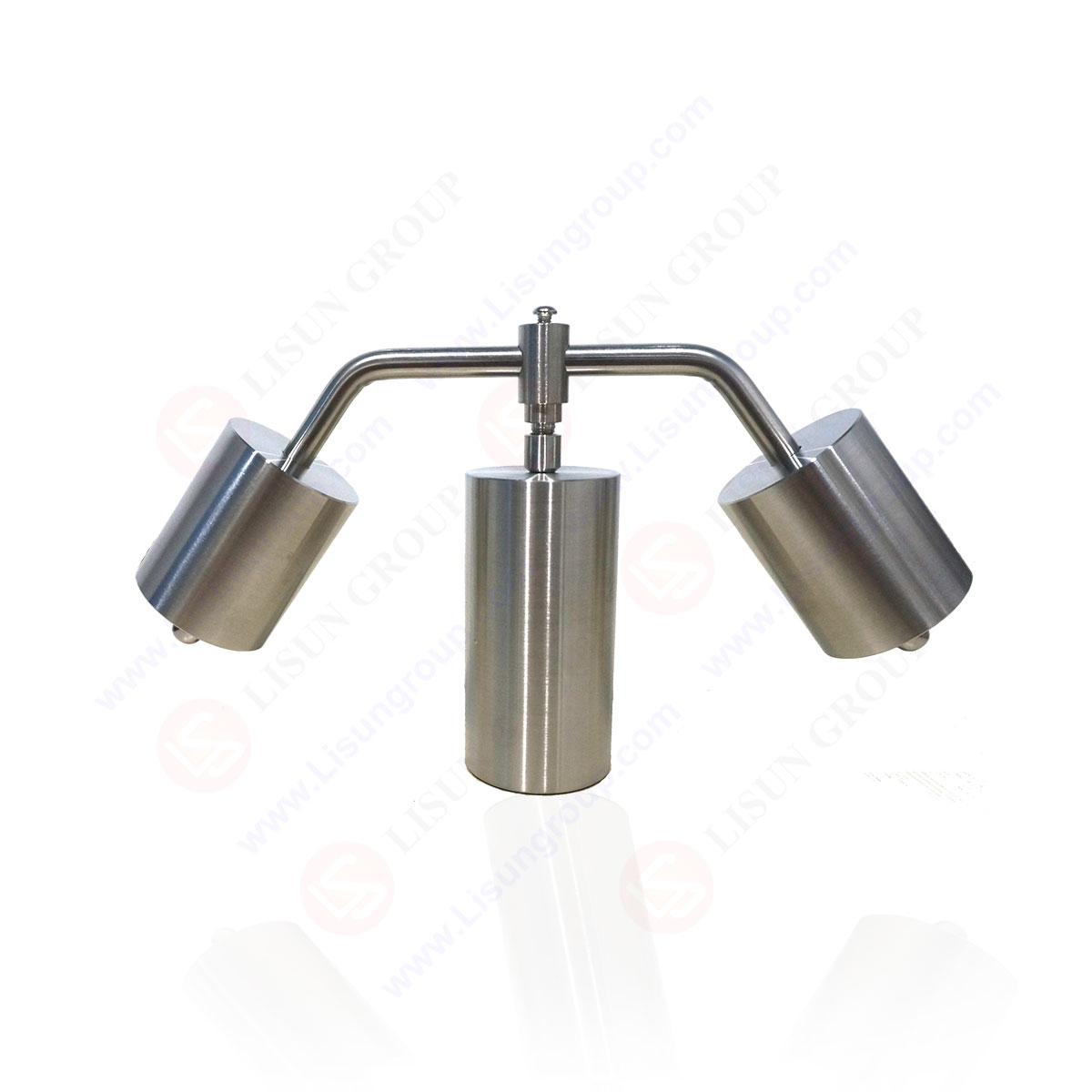
| 25.4 Ball pressure temperature | ZBP-T |
| 62A Ball Pressure Test on End-Product | |
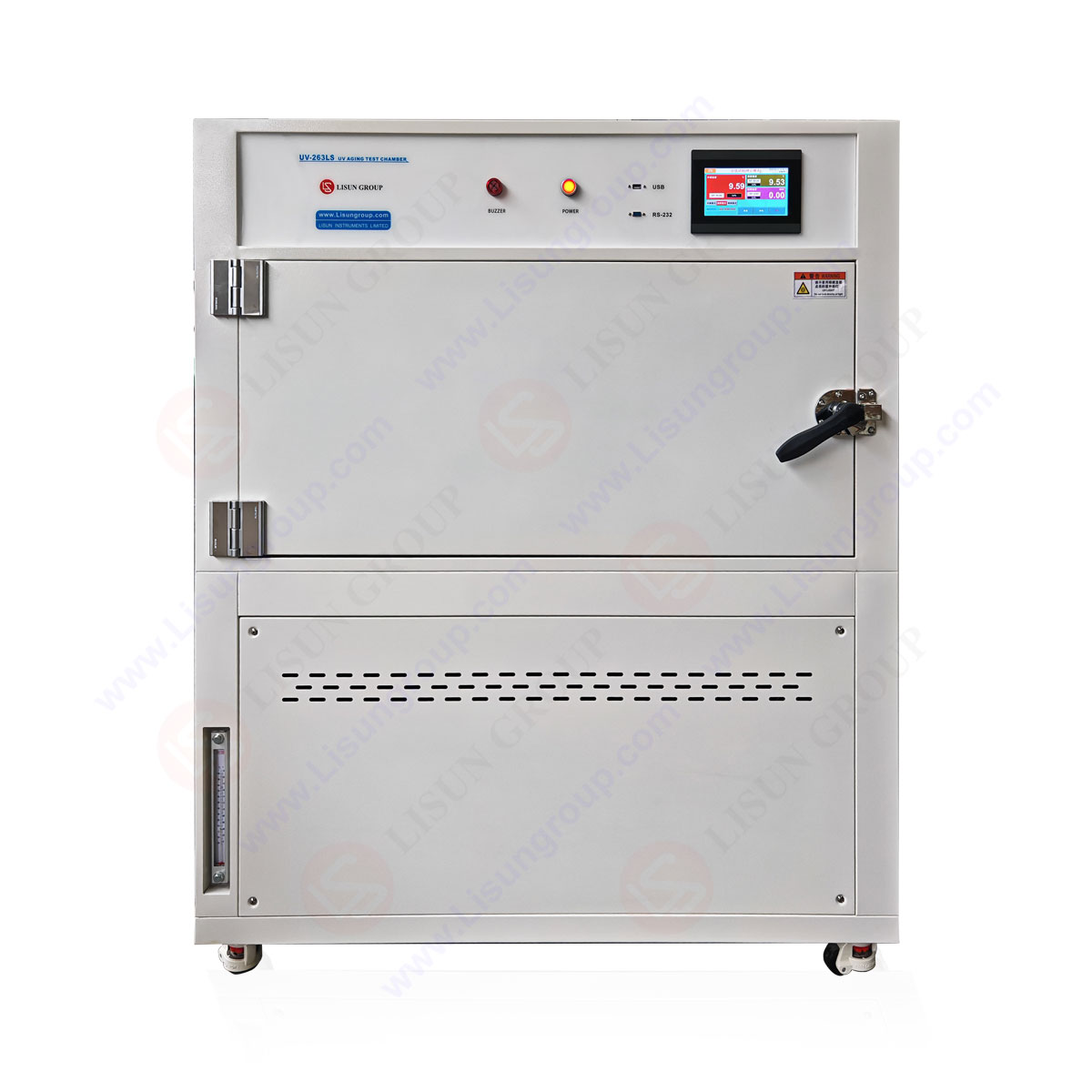
| 26 Ultraviolet Light Exposu | UV-263LS |
| 58 Ultraviolet Light Exposure Test | |
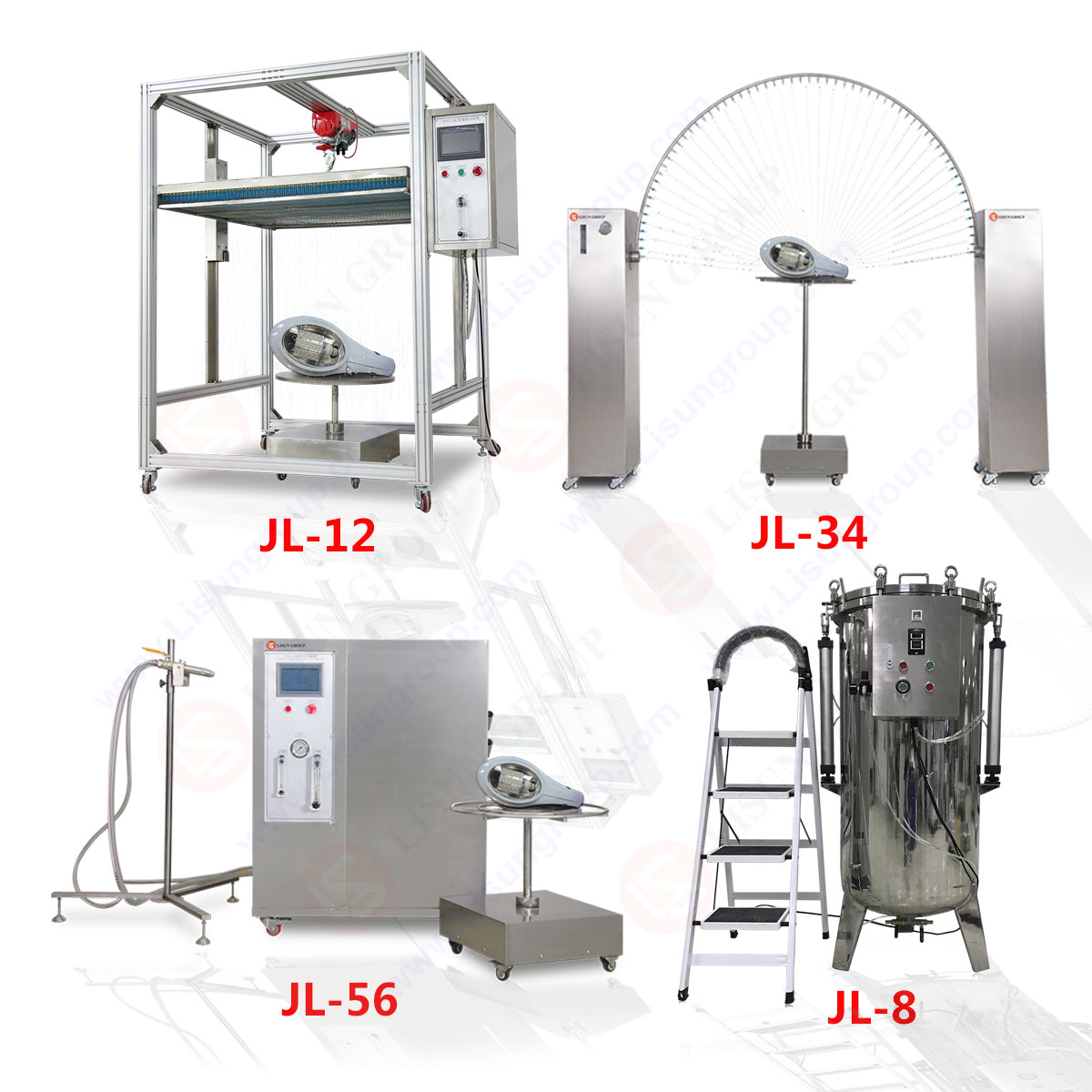
| 27 Water Exposure and Immersion | JL-X |
| 59 Water Exposure and Immersion Test | |
| 55 Flame-Retardant Coatings Test | GDJS-015B |
| 67-68 Temperature Considerations | |
| 70.2 Sample conditioning | |
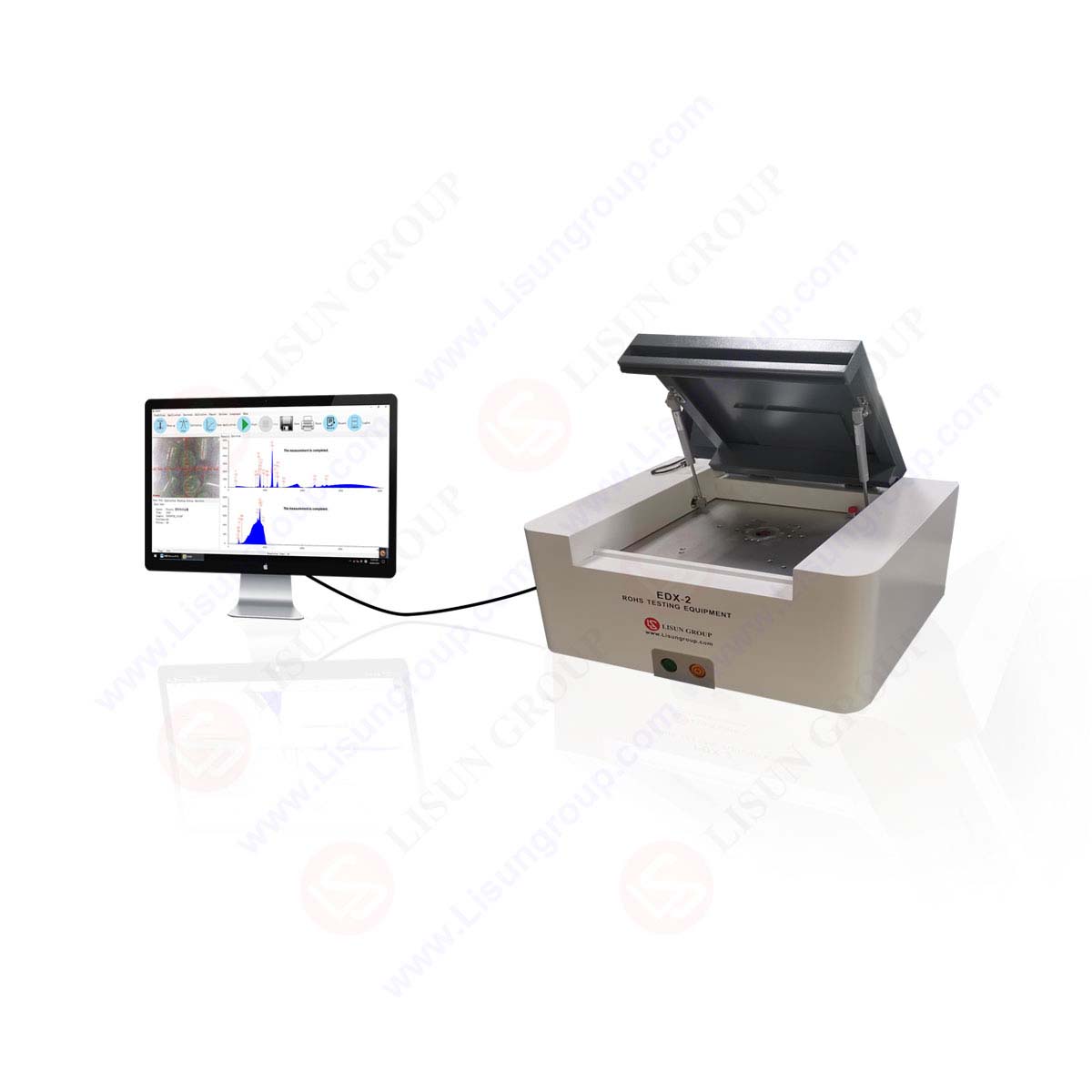
| 71A.3 Coating Thickness Measurement | EDX-2A |
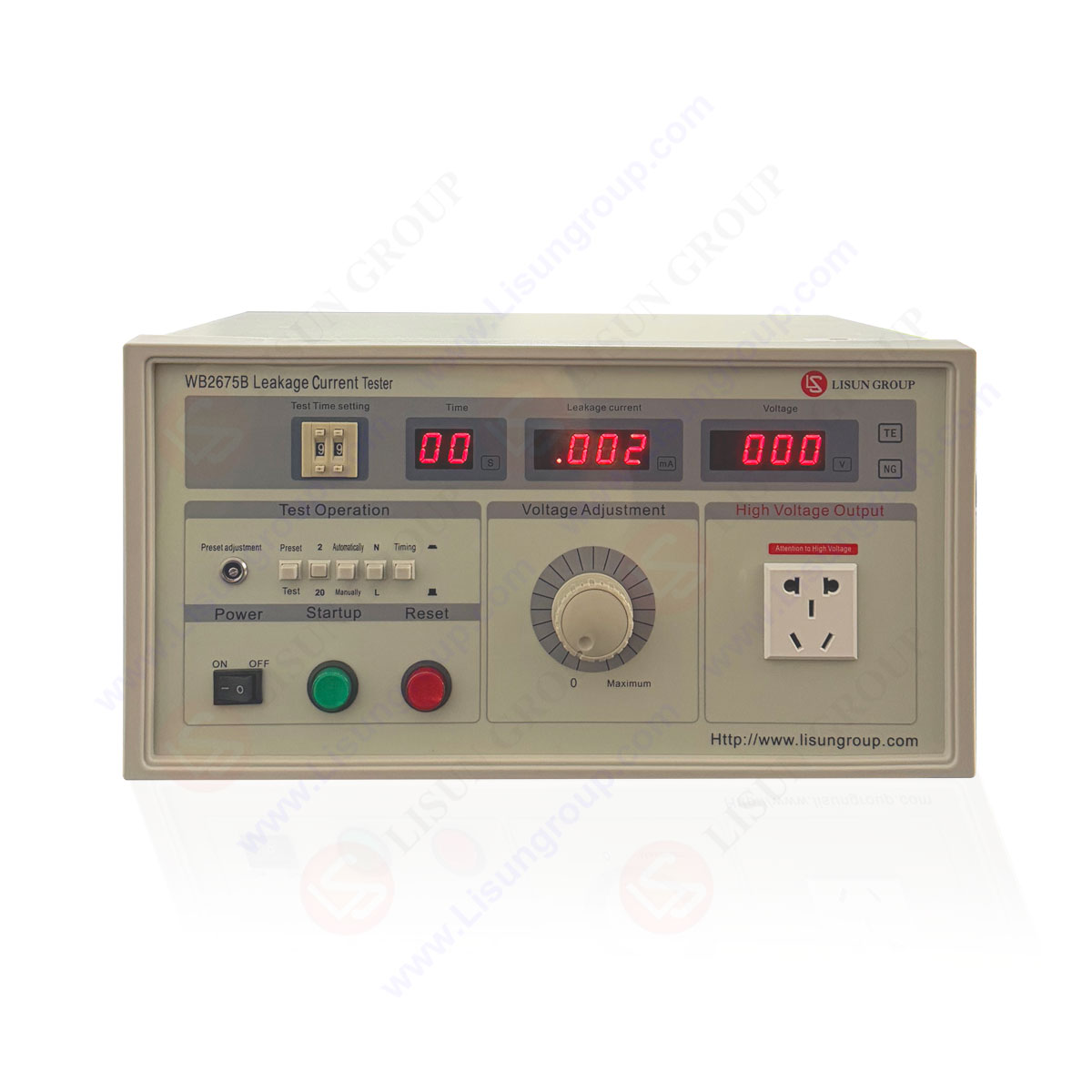
| 72 Leakage Current Test | B2675D |
Your email address will not be published. Required fields are marked *

 English
 中文简体
中文简体 English
 Русский
 Español
 Português
 Türkçe
 العربية
 Deutsch
 Polski
 Italiano
 Français
 한국어
한국어 ไทย
ไทย Tiếng Việt
 日本語
日本語