LM-79 Moving Detector Goniophotometer (Mirror Type C)
LSG-6000
High Precision Rotation Luminaire Goniophotometer
LSG-1890B
High Precision Rotation Luminaire Goniospectroradiometer
LSG-1890BCCD

Goniophotometer for Automotive and Signal Lamps
LSG-1950
Goniophotometer for Traffic Signal Lamps (Economical Model)
LSG-1950S
Goniophotometer for Airfield Lighting
LSG-1940
VAD Fire Alarm Visual Alert Device Goniophotometer
LSG-1930
Compact Goniophotometer
LSG-1200A
LED Goniophotometer
LSG-1100
Near Field Moving Detector Goniophotometer
LSG-1900B
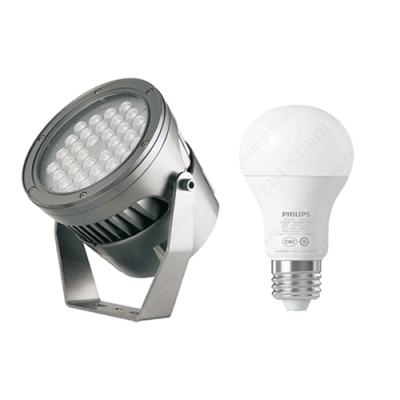 LEDs and Luminaire Test Solutions
 LM-79 and LM-80 Test Solutions
 LED Driver Test Solutions
 Household Appliances Test Solutions
 Mobile and Network Test Solutions
 Automotive Electronics Test Solutions
 Audio-Video and IT Test Solutions
 Cable and Wire Test Solutions
 Plugs and Sockets Test Solutions
 Power Switch Test Solutions
 Transformer Test Solutions
 Electric Toys Test Solutions
 Energy Meter Test Solutions
 Motor-Operated Tool Test Solutions
Select an organization
to browse standards
Abstract
In the system of industrial product R&D, production quality inspection, and compliance certification, the environmental adaptability and reliability of materials and products are core indicators determining their market competitiveness and service life. As a key equipment for accurately simulating complex natural environments, climate chambers can accelerate the assessment of product performance stability and structural reliability under extreme or cyclic climatic conditions by reproducing multiple climatic scenarios such as low-temperature resistance, high-temperature heat resistance, humidity aging, and dry-wet alternation. Taking the LISUN GDJS-015B High and Low Temperature Humidity Thermal Cycling Test Chamber as the research object, this paper systematically elaborates on the technical principle, core performance parameters, followed standards, and structural design advantages of climate chambers. Combined with practical application scenarios, it analyzes their practical value in the environmental verification of materials and products, providing a reference for optimizing test schemes in related industries.
1. Introduction
With the global manufacturing industry upgrading towards high precision and high reliability, materials and products are facing increasingly complex natural environmental challenges throughout their life cycles. From the high-temperature and high-humidity environments in tropical regions to the low-temperature and dry climates in frigid zones, from plateau areas with drastic day-night temperature differences to coastal regions with cyclic humidity changes, complex and variable climatic conditions can directly affect the performance stability, structural integrity, and operational safety of products. For example, LED lamps may experience a decrease in lumen maintenance rate due to temperature and humidity changes during long-term outdoor use, electronic components may suffer performance degradation under extreme temperatures, and automotive electronic equipment may experience short-circuit faults in humid and hot environments.
Against this background, climate chambers, as professional equipment capable of accurately simulating dynamic changes in natural climates, have become core tools for verifying the environmental adaptability and reliability of materials and products. By artificially regulating key environmental parameters such as temperature and humidity, climate chambers construct test scenarios highly similar to natural environments. They eliminate the need for outdoor natural environment exposure tests, significantly shorten the test cycle, and ensure the repeatability and scientificity of test results. As an enterprise specializing in the R&D of environmental test equipment, LISUN’s GDJS-015B High and Low Temperature Humidity Thermal Cycling Test Chamber has been widely used in various industries such as LED lighting, electronic appliances, and components, thanks to its core advantages of “wide temperature range coverage + high-precision temperature and humidity control”. It provides reliable environmental verification support for the entire process of products from R&D to mass production.
The core working principle of a climate chamber is to achieve precise regulation and dynamic simulation of temperature and humidity parameters in the test chamber through the collaborative operation of a temperature control system, humidity control system, circulation system, and control system. Essentially, it uses artificial means to construct a controllable microclimate environment, allowing materials and products to undergo accelerated aging or extreme environmental tests in this environment, thereby quickly exposing potential defects.
For the LISUN GDJS-015B High and Low Temperature Humidity Thermal Cycling Test Chamber, the temperature control system collects real-time temperature data in the chamber through a platinum resistance PT100Ω/MV temperature sensor. After processing by a self-developed temperature control instrument and PLC dual-core control unit, it drives a refrigeration system composed of an independent nickel-chromium alloy electric heater and an original French TECUMSEH compressor to realize temperature rise, fall, and constant control. The humidity control system adopts a Finnish Vaisala humidity sensor, combined with an automatic water purification and supply system, to accurately adjust the humidity in the chamber, achieving a wide humidity control range of 20%~98%RH. The circulation system ensures uniform distribution of temperature and humidity in the chamber through a temperature-resistant and low-noise air-conditioning type motor and a multi-blade centrifugal wind wheel, avoiding deviations in local environmental parameters that may affect test results.
Simulation of multiple climatic scenarios: Climate chambers can accurately reproduce typical climatic conditions in natural environments such as “low-temperature resistance, high-temperature heat resistance, humidity aging, and dry-wet alternation”. The temperature range of the LISUN GDJS-015B covers -70℃~150℃ (Type D), which can meet the environmental simulation needs of different regions and application scenarios.
Long-term stable operation: For scenarios requiring long-term continuous testing such as LED lamp lumen maintenance rate testing, the climate chamber has a proven stable operation capability of more than 10 years in the market. It can provide a long-term stable temperature and humidity control environment for thousands of hours, fully meeting the requirements of the IES LM-80-08 standard.
Remote monitoring and data traceability: Through USB/RS-232/RS-485 interfaces connected to a computer, it realizes remote monitoring, parameter setting, and data storage during the test process. It facilitates test personnel to trace the entire test data, providing a complete basis for product performance analysis.
Multiple safety protections: It integrates multiple safety protection mechanisms such as leakage protection, short-circuit protection, heating tube overheating protection, motor overheating protection, and compressor overvoltage/overload/overcurrent protection, ensuring the safety of equipment operation and test samples.
As a representative product of the GDJS series of climate chambers, the LISUN GDJS-015B has undergone long-term market verification and exhibits excellent performance in terms of temperature and humidity control accuracy, chamber size, and power consumption. You can refer LISUN GDJS-015B Temperature Humidity Chamber | Thermal Chamber
The validity and compliance of test data from climate chambers rely on strict adherence to industry standards. The LISUN GDJS-015B High and Low Temperature Humidity Thermal Cycling Test Chamber fully complies with a number of authoritative domestic and international standards, ensuring the versatility and recognition of test results. The specific followed standards are shown in the following table:
Table 2 International Standards Followed by the LISUN GDJS-015B Climate Chamber
| Standard Number | Standard Name |
| IES LM-80-08 | Approved Method: Measuring Lumen Maintenance of LED Light Sources |
| IEC 60068-3-1:2023 RLV | Environmental testing – Part 3-1: Supporting documentation and guidance – Cold and dry heat tests |
| IEC 60068-2-30:2005 | Environmental testing – Part 2-30: Tests – Test Db: Damp heat, cyclic (12 h + 12 h cycle) |
| IEC 60068-2-14:2009 | Environmental testing – Part 2-14: Tests – Test N: Change of temperature |
| IEC 60598-1:2024 | Luminaires – Part 1: General requirements and tests |
| AEC-Q102 REV A:2020 | Stress Test Qualification for Discrete Optoelectronic Semiconductors |
| ISO 16750-4:2018 | Road vehicles – Environmental conditions and testing for electrical and electronic equipment – Part 4: Climatic loads |
Among them, the IES LM-80-08 standard is the core basis for LED lamp lumen maintenance rate testing. The LISUN GDJS-015B climate chamber can provide a long-term stable temperature and humidity control environment, fully meeting the strict requirements of this standard for test environments, and thus becoming the preferred equipment for product R&D and compliance certification in the LED lighting industry.
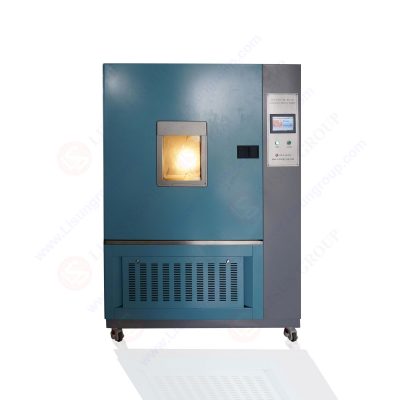
GDJS-015B Temperature Humidity Chamber | Thermal Chamber
• Inner Tank and Thermal Insulation System: The material of the climate chamber’s inner tank directly affects the stability of the test environment and the service life of the equipment. The LISUN GDJS-015B adopts SUS304 stainless steel as the inner tank material, which has excellent corrosion resistance and easy cleaning performance. It can adapt to long-term damp heat test scenarios and avoid environmental parameter pollution caused by inner tank corrosion. The thermal insulation layer adopts a composite structure of “polyurethane rigid foam + superfine glass fiber”. Polyurethane rigid foam has an extremely low thermal conductivity, which can effectively reduce heat exchange between the inside and outside of the chamber. Superfine glass fiber further improves the thermal insulation effect, ensuring stable temperature inside the chamber. At the same time, the door frame is equipped with high-temperature aging silicone rubber sealing strips, which have strong sealing performance and can effectively prevent temperature and humidity leakage, ensuring the accuracy of the test environment.
• Circulation System Design: The circulation system is crucial for ensuring uniform distribution of temperature and humidity in the chamber. The climate chamber is equipped with a temperature-resistant and low-noise air-conditioning type motor (noise ≤65dB) and a multi-blade centrifugal wind wheel. The motor operates stably with low noise, making it suitable for laboratory environments. The multi-blade centrifugal wind wheel can generate a uniform air flow field, controlling the temperature and humidity difference in each area of the chamber within ±2℃. It avoids inconsistent stress on test samples due to uneven local environments, ensuring the accuracy of test results.
• Dual-Core Control System: The LISUN GDJS-015B adopts a self-developed temperature control instrument + PLC dual-core control mode, which has strong arithmetic processing capabilities and anti-interference capabilities. The control system supports Chinese and English operation interfaces, which are easy to operate and suitable for laboratories in different language environments. At the same time, it is equipped with multiple communication interfaces such as USB/RS-232/RS-485, which can achieve seamless connection with computers. Test personnel can perform remote monitoring, parameter setting, and data download through computers, realizing automation and data traceability of the test process and greatly improving test efficiency.
• High-Precision Sensors: Sensors are core components for climate chambers to achieve precise temperature and humidity control. The equipment adopts a Finnish Vaisala humidity sensor, which has higher measurement accuracy compared to traditional wet-dry bulb humidity measurement methods and does not require regular maintenance, effectively reducing operation and maintenance costs. The temperature sensor adopts a platinum resistance PT100Ω/MV, which has the characteristics of high precision and anti-interference, and can collect real-time and accurate temperature data inside the chamber, providing reliable feedback signals for the temperature control system.
• Heating System: It adopts an independent nickel-chromium alloy electric heater, which has the characteristics of high heating efficiency and uniform heat generation. It can quickly raise the temperature inside the chamber without local overheating. Combined with the dual-core control system, it can achieve a temperature fluctuation control accuracy of ±0.5℃.
• Refrigeration System: It adopts a fully enclosed air-cooled single-stage compression refrigeration scheme, equipped with an original French TECUMSEH compressor. As a world-renowned brand, TECUMSEH compressors have the advantages of stable operation, high refrigeration efficiency, and long service life. Moreover, they have a sound global after-sales service network, facilitating users to obtain timely maintenance support in different regions. The air-cooled design does not require additional cooling water systems, making installation convenient and suitable for various laboratory environments.
Safety performance is crucial for climate chambers during long-term high-load operation. The LISUN GDJS-015B integrates multiple safety protection mechanisms, including leakage protection, short-circuit protection, heating tube overheating protection, motor overheating protection, and compressor overvoltage/overload/overcurrent protection. When an abnormal situation occurs in the equipment, the safety protection system will start immediately, cutting off the relevant circuits or stopping operation, effectively ensuring the safety of the equipment and test samples and reducing risks during the test process.
During outdoor use, LED lamps need to withstand various climatic stresses such as high temperature, low temperature, and damp heat alternation. Their performance indicators such as lumen maintenance rate, color rendering index, and service life will be significantly affected. According to the requirements of the IES LM-80-08 standard, the lumen maintenance rate test of LED lamps needs to be carried out in a stable temperature and humidity environment for a long time. The LISUN GDJS-015B climate chamber can provide standard test temperatures such as 25℃, 55℃, 85℃ and specified humidity environments. By simulating the use scenarios of LED lamps in different climatic regions, it accelerates the assessment of changes in their lumen maintenance rate. For example, continuous testing for 6000 hours in a damp heat environment of 85℃ and 85%RH can quickly evaluate problems such as aging of LED lamp packaging materials and attenuation of chip performance, providing data support for product structure optimization and material selection.
Electronic components, circuit boards, and other electronic and electrical products are extremely sensitive to environmental temperature and humidity. Low temperatures may cause embrittlement of components and cracking of solder joints, while high temperature and high humidity may lead to reduced insulation performance, corrosion of metal parts, short circuits, and other faults. The LISUN GDJS-015B climate chamber can perform low-temperature storage tests (such as storage at -40℃ for 24 hours), high-temperature aging tests (such as aging at 150℃ for 1000 hours), and cyclic damp heat tests (12 hours of high temperature and high humidity + 12 hours of low temperature and low humidity cycle) for electronic and electrical products. Through these tests, defects in product design and production processes can be quickly exposed. For example, in the cyclic damp heat cycle test, the effect of the three-proof coating of the circuit board and the corrosion resistance of component pins can be detected, thereby optimizing the product’s protective design and improving its reliability in complex climatic environments.
Automotive electronic equipment (such as on-board navigation, sensors, controllers, etc.) needs to adapt to extreme climatic conditions during vehicle operation, including high-temperature exposure (the temperature inside the car can reach above 80℃), low-temperature cold (the temperature in northern winters can drop below -30℃), and high-humidity environments caused by rain and snow. According to the requirements of GB/T 28046.4-2011 and ISO 16750-4:2018 standards, automotive electronic equipment must pass strict climatic load tests. The LISUN GDJS-015B climate chamber can simulate various climatic scenarios faced by automotive electronic equipment. For example, it can simulate the aging test of on-board screens in high-temperature environments inside cars in summer (85℃), the impact test of low-temperature environments in winter (-40℃) on sensor performance, and the corrosion test of electronic controllers in high-humidity environments in coastal areas (95%RH), ensuring the stable operation of automotive electronic equipment throughout its life cycle.
Metal materials, plastic materials, rubber materials, etc. will undergo aging, corrosion, deformation, and other problems due to changes in climatic environments in practical applications. For example, aluminum alloy materials used in construction will face damp heat corrosion outdoors, and rubber seals used in automobiles will crack due to alternating high and low temperatures. The LISUN GDJS-015B climate chamber can design exclusive environmental test schemes for the characteristics of different materials. For metal materials, salt spray and damp heat composite tests can be carried out to simulate the corrosion process of materials in marine climates. For plastic materials, high and low temperature cycle tests can be performed to evaluate the thermal stability and fatigue resistance of materials. For rubber materials, high-temperature aging tests can be conducted to detect changes in their hardness and elastic modulus, providing a scientific basis for material formula optimization and application scenario selection.
• Daily Maintenance: To ensure the long-term stable operation of the climate chamber, regular daily maintenance is required. Before use every day, check whether the appearance of the equipment is intact, whether the sealing strip is damaged, and whether the communication interface is normal. After use, clean the inner tank to remove residual stains from test samples and keep the inner tank dry. Regularly check the water level of the water tank to ensure the normal operation of the automatic water purification and supply system. Check the sensor probe once a month to avoid dust covering affecting measurement accuracy.
• Regular Calibration: According to the requirements of relevant standards, the temperature and humidity parameters of the climate chamber need to be calibrated regularly, preferably once every six months. The calibration process should use standard instruments certified by metrology, and perform multi-point measurement of temperature and humidity in different areas of the chamber to ensure that the measurement accuracy of the equipment meets the test requirements.
• Environmental Requirements: The operating environment of the climate chamber must strictly follow the requirements of the product manual. Ensure that the operating environment temperature is 5℃~30℃, the humidity is ≤85%RH, and it is well-ventilated without condensation. Avoid placing the equipment in direct sunlight or near heat sources or water sources to prevent environmental factors from affecting equipment performance.
The LISUN GDJS-015B climate chamber has been sold in the market for more than 10 years, and the LISUN engineer service team has summarized a large number of after-sales common problems. The following are some typical problems and their solutions:
• Temperature and humidity fluctuations exceed the allowable range: First, check whether the sealing strip is damaged; if damaged, replace it in a timely manner. Secondly, check whether the circulation fan is operating normally; if the fan fails, contact maintenance personnel for inspection and repair. Finally, check whether the sensor is calibrated; if not calibrated regularly, perform calibration.
• Humidity cannot reach the set value: Check whether the water level of the water tank is sufficient; if the water level is too low, add water in a timely manner. Check whether the humidity sensor is contaminated; if contaminated, clean the sensor probe. Check whether the water purification system is working normally; if the water purification system fails, check whether the pipeline is blocked.
• The equipment cannot be started: Check whether the working voltage meets the requirements and whether the three-phase voltage is balanced. Check whether the leakage protection switch is tripped; if tripped, check for leakage. Check whether there is a fault prompt on the control panel and perform targeted processing according to the prompt information.
Data cannot be uploaded to the computer: Check whether the communication interface is connected normally and whether the data cable is intact. Check whether the driver program on the computer is installed correctly. Check whether the communication parameter settings of the equipment are consistent with those on the computer; if not, reconfigure the parameters.
7. Conclusions and Prospects
As a core equipment for verifying the environmental adaptability and reliability of materials and products, climate chambers play an irreplaceable role in industrial production and R&D processes. The LISUN GDJS-015B High and Low Temperature Humidity Thermal Cycling Test Chamber has become a highly competitive climate chamber product in the market due to its precise temperature and humidity control capabilities, complete safety protection system, strict adherence to domestic and international standards, and application scenarios suitable for multiple industries. Its high-quality configurations such as SUS304 stainless steel inner tank, dual-core control system, and Finnish Vaisala sensor ensure the accuracy and reliability of test results. The design of wide temperature range and wide humidity range meets the test needs of different materials and products. The remote monitoring and data traceability functions improve the automation and informatization level of the test process.
With the continuous progress of science and technology, the requirements for the environmental adaptability of materials and products will continue to increase, and the technical development of climate chambers will also show new trends. In the future, climate chambers will develop towards higher-precision parameter control, more complex climatic scenario simulation, and more intelligent operation and maintenance management. For example, combining artificial intelligence technology to realize adaptive optimization of test parameters, adjusting environmental parameters according to the real-time status of test samples. Integrating more sensors to achieve multi-physics field coupling tests, simulating natural environments with the synergistic effect of multiple factors such as temperature, humidity, air pressure, and light. Realizing remote diagnosis and predictive maintenance of equipment through the Internet of Things technology, reducing equipment operation and maintenance costs.
As an enterprise specializing in the R&D of environmental test equipment, LISUN will continue to focus on industry needs, continuously optimize the technical performance and product design of climate chambers, provide more advanced and efficient solutions for the environmental adaptability and reliability verification of materials and products, and help the high-quality development of the global manufacturing industry.
Tags:GDJS-015BYour email address will not be published. Required fields are marked *

 English
 中文简体
中文简体 English
 Русский
 Español
 Português
 Türkçe
 العربية
 Deutsch
 Polski
 Italiano
 Français
 한국어
한국어 ไทย
ไทย Tiếng Việt
 日本語
日本語