LM-79 Moving Detector Goniophotometer (Mirror Type C)
LSG-6000
High Precision Rotation Luminaire Goniophotometer
LSG-1890B
High Precision Rotation Luminaire Goniospectroradiometer
LSG-1890BCCD

Goniophotometer for Automotive and Signal Lamps
LSG-1950
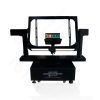
Goniophotometer for Traffic Signal Lamps (Economical Model)
LSG-1950S
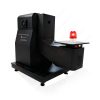
VAD Fire Alarm Visual Alert Device Goniophotometer
LSG-1930
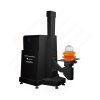
Goniophotometer for Airfield Lighting
LSG-1940
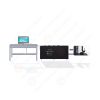
Compact Goniophotometer
LSG-1200A
LED Goniophotometer
LSG-1100
Near Field Moving Detector Goniophotometer
LSG-1900B
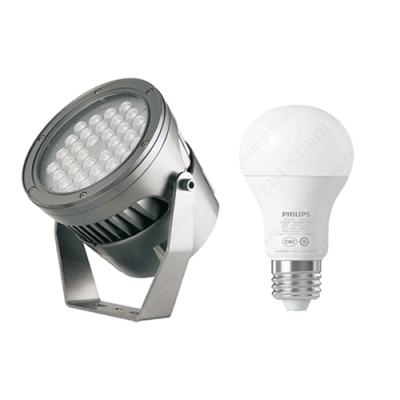 LEDs and Luminaire Test Solutions
 LM-79 and LM-80 Test Solutions
 LED Driver Test Solutions
 Household Appliances Test Solutions
 Mobile and Network Test Solutions
 Automotive Electronics Test Solutions
 Audio-Video and IT Test Solutions
 Cable and Wire Test Solutions
 Plugs and Sockets Test Solutions
 Power Switch Test Solutions
 Transformer Test Solutions
 Electric Toys Test Solutions
 Energy Meter Test Solutions
 Motor-Operated Tool Test Solutions
Select an organization
to browse standards
Drop test machines are essential equipment used in packaging engineering and product reliability testing to evaluate the impact resistance of packaged products during transportation and handling. This paper provides a comprehensive analysis of drop test machines, focusing on their technical principles, testing standards, and engineering applications. The drop test machine DT-60KG Automatic Double-Arms Drop Test Machine is introduced as a representative example of modern testing equipment that complies with multiple international standards including IEC 62368-1, IEC 60068-2-27, ISO 2248, and JISZ 0202-87. This study examines the technical specifications, testing procedures, and application scenarios of drop test machines, highlighting their critical role in ensuring product safety and packaging design optimization.
Product damage during transportation and handling represents a significant challenge for manufacturers across various industries. Statistics indicate that approximately 11% of packaged products experience some form of damage during transit, resulting in billions of dollars in annual losses worldwide. The development of effective packaging solutions requires rigorous testing methodologies that can simulate real-world impact conditions. Drop test machines have emerged as indispensable tools in this domain, enabling manufacturers to evaluate the performance of packaging systems under controlled impact conditions and optimize designs to protect products during distribution.
This paper aims to provide a comprehensive technical overview of drop test machines, covering their operating principles, testing standards, and engineering applications. The study examines the technical specifications of modern drop testing equipment, with particular focus on the DT-60KG Automatic Double-Arms Drop Test Machine. By analyzing testing methodologies and equipment capabilities, this research seeks to enhance understanding of drop testing practices and support informed equipment selection for packaging engineers and quality assurance professionals involved in reliability testing and packaging design optimization.
The development of drop testing standards began in the mid-20th century as industries recognized the need for consistent packaging evaluation methodologies. ISO 2248, first published in 1985, established fundamental requirements for package drop testing. Subsequently, IEC 60068-2-27 was developed to address the environmental testing of electronic equipment, with specific provisions for impact testing. The evolution of these standards reflects advances in technology and changing industry requirements. The most recent standard IEC 62368-1:2018 represents a significant update, incorporating modern safety principles for audio/video, information, and communication technology equipment.
Contemporary drop testing standards specify precise testing parameters including drop height, impact surface characteristics, sample orientation, and number of drops. IEC 62368-1 Annex M 4.4.3 and T.7 define testing requirements for equipment weighing up to 60kg, requiring specific drop heights ranging from 25mm to 1000mm depending on equipment mass. GB/T 4857.5-1992, based on ISO 2248, specifies testing procedures for packages weighing up to 1000kg. ASTM D5276-1998 provides complementary requirements for free-fall drop testing. These standards mandate the use of rigid testing surfaces and controlled release mechanisms to ensure test repeatability and accuracy.
Drop test machines operate on the fundamental principle of controlled free-fall, where samples are released from specified heights onto rigid impact surfaces. The energy generated during impact is calculated as E = mgh, where E represents impact energy, m is sample mass, g is gravitational acceleration, and h is drop height. Modern drop testing equipment incorporates precise height control mechanisms ensuring accuracy within ±2mm of the specified drop height. The testing process must account for factors such as center of gravity location, sample orientation, and impact velocity, which significantly influence test results and the validity of packaging performance evaluations.
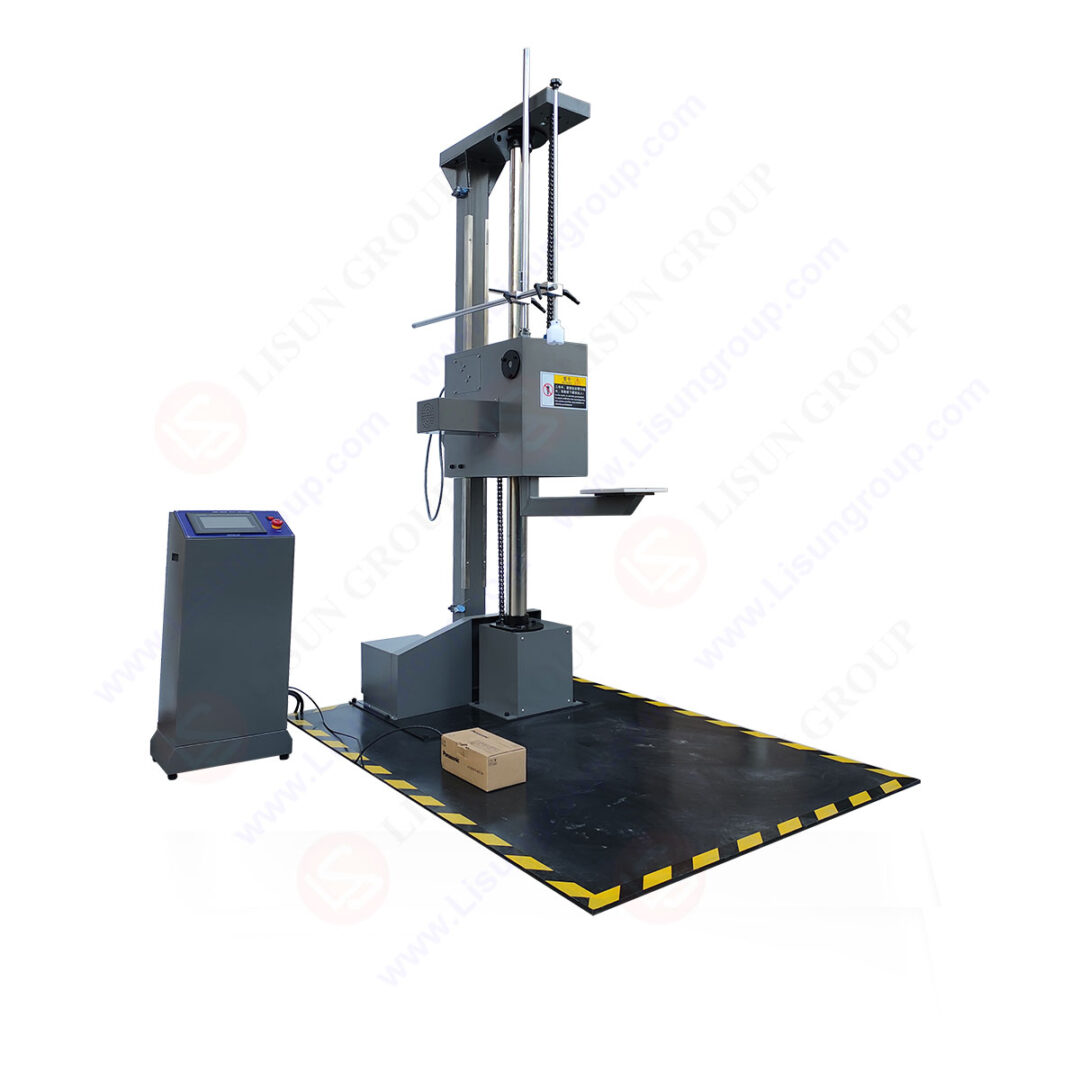
Advanced drop test machines feature dual-arm configurations enabling comprehensive testing from multiple orientations. The DT-60KG Automatic Double-Arms Drop Test Machine exemplifies this design, providing testing capabilities for samples weighing up to 60kg. Key equipment components include electromagnetic or pneumatic release mechanisms, adjustable height control systems, and rigid impact platforms meeting steel plate requirements of specified hardness and thickness. The distance between test arms is adjustable to accommodate samples of various dimensions, typically ranging from 200mm to 1000mm depending on equipment specifications and testing requirements.
Modern drop testing equipment incorporates sophisticated data acquisition systems enabling precise measurement and recording of test parameters. Critical parameters monitored during testing include actual drop height, impact acceleration, and number of drops performed. The DT-60KG Automatic Double-Arms Drop Test Machine features automatic positioning systems that stop precisely when samples reach specified height positions, ensuring test repeatability. Data logging capabilities enable traceability and compliance with quality management system requirements, facilitating documentation and analysis of test results for packaging optimization and failure investigation.
Drop testing methodologies vary depending on product type, weight category, and applicable standards. Common testing approaches include free-fall drops from specified heights, sequential drops from different orientations, and edge drop testing for packaged products. The testing protocol typically specifies the number of drops required for each orientation, commonly ranging from 1 to 5 drops per face or edge. IEC 62368-1 requires specific testing sequences based on equipment mass categories, while packaging standards like ISTA 3A implement comprehensive multi-drop protocols simulating actual distribution environments.
Table 1: Technical Specifications of DT-60KG Automatic Double-Arms Drop Test Machine
| Parameter | Value | Unit | Standard Reference |
| Maximum Sample Weight | 60 | kg | IEC 62368-1 |
| Drop Height Range | 25-1000 | mm | IEC 62368-1 |
| Arm Distance Adjustment | 200-1000 | mm | Manufacturer Spec |
| Height Control Accuracy | ±2 | mm | IEC 60068-2-27 |
Table 2: Applicable Testing Standards for Drop Test Machine
| Standard Number | Standard Title | Publication Year | Application Scope |
| IEC 62368-1 | Audio/video, information and communication technology equipment | 2018 | Electronic Equipment |
| IEC 60068-2-27 | Environmental testing – Part 2-27: Tests – Test Ea and guidance: Shock | 2008 | Environmental Testing |
| ISO 2248 | Packaging – Complete, filled transport packages – Vertical impact test by dropping | 1985 | Packaging Testing |
| JIS Z 0202 | Testing methods for package drop | 1987 | Japanese Standard |
Drop test machines require robust construction using high-strength materials to ensure durability and testing accuracy. Frame components typically utilize structural steel or aluminum alloys providing sufficient rigidity to prevent deformation during testing operations. The impact platform must be constructed from hardened steel plates with specified thickness, typically exceeding 20mm, to maintain flatness and provide consistent impact surfaces. Release mechanism components require materials with excellent wear resistance and dimensional stability, often incorporating hardened tool steels or precision-engineered alloys. All structural elements must withstand repetitive impact forces without degradation, ensuring long-term reliability and consistent test performance.
The structural design of drop test machines must accommodate adjustable configurations to support diverse testing requirements. Dual-arm designs enable simultaneous or sequential testing from multiple orientations, improving testing efficiency. Height adjustment systems incorporate precision linear guides or screw mechanisms providing smooth vertical movement with minimal backlash. Safety features include protective enclosures, emergency stop systems, and interlocking mechanisms preventing accidental operation. The overall structure must provide stable support during impact events, minimizing vibration and ensuring accurate measurement of drop parameters. Floor-mounted designs incorporate leveling capabilities to maintain proper alignment with reference surfaces.

The DT-60KG Automatic Double-Arms Drop Test Machine represents a specific product category within the broader range of drop testing equipment. This model is designed specifically for testing equipment weighing up to 60kg, addressing requirements defined in IEC 62368-1 for audio/video and information technology equipment. The automatic configuration features motorized height adjustment and electromagnetic release mechanisms, enhancing testing repeatability and operational efficiency compared to manual testing methods. Manufacturers typically offer equipment series covering different weight categories, from small portable units for lightweight components to large capacity systems testing complete packaged products exceeding 500kg.
The DT-60KG Automatic Double-Arms Drop Test Machine demonstrates technical capabilities representative of modern testing equipment. Key specifications include maximum sample weight of 60kg, drop height range from 25mm to 1000mm, and arm spacing adjustable from 200mm to 1000mm. The equipment features automatic positioning that stops precisely when samples reach specified height positions, ensuring height accuracy within ±2mm according to IEC 60068-2-27 requirements. The release mechanism incorporates electric pulse width control, providing consistent sample release characteristics. The machine complies with multiple standards including IEC 62368-1:2018 Annex M 4.4.3 and T.7, GB/T 4857.5-1992 (ISO 2248-1985), GB/T 2423.5 (IEC 60068-2-27), JISZ 0202-87, and ASTM D5276-1998.
Drop test machines find extensive application across diverse industries requiring packaging validation and product reliability assessment. Electronics manufacturers utilize drop testing equipment to evaluate packaging designs for consumer electronics, computers, and communication devices. Automotive companies employ drop testing to verify component packaging durability during global supply chain distribution. Pharmaceutical companies conduct drop testing to ensure medication packaging maintains integrity throughout logistics operations. The DT-60KG Automatic Double-Arms Drop Test Machine is particularly suited for testing audio/video equipment, information technology products, and household appliances falling within the 60kg weight range as specified by IEC 62368-1 testing requirements.
When selecting drop test equipment, critical factors include maximum sample weight, required drop height range, applicable standards, and testing volume requirements. Equipment capacity should exceed maximum expected sample weight by 20-30% to provide safety margins and accommodate future testing needs. Standard compliance must match industry-specific requirements, with electronics manufacturers prioritizing IEC 62368-1 compliance while packaging companies focus on ISTA and ISO standards. Automation features significantly improve testing throughput and repeatability, justifying higher initial investment for high-volume testing applications. Available floor space and facility constraints must be considered, as some drop test configurations require significant overhead clearance.
Engineering implementation of drop testing programs requires careful consideration of test facility requirements and safety protocols. Testing areas must provide sufficient clearance around equipment to accommodate sample handling and ensure operator safety. Impact surfaces require regular inspection and maintenance to maintain flatness and prevent degradation from repeated impacts. Calibration procedures must be established to verify height measurement accuracy and release mechanism performance. Data management systems should be implemented to track test results, generate compliance reports, and support traceability requirements. Facility environmental conditions, particularly temperature and humidity, should be controlled to minimize variability in test results.
Applications of drop testing demonstrate its critical role in product development and quality assurance. Consumer electronics manufacturers routinely employ drop testing during product development to evaluate packaging designs and identify failure modes. Testing programs typically include sequential drops from multiple orientations to simulate worst-case distribution scenarios. Results inform packaging redesign decisions, incorporating cushioning materials and structural reinforcements as needed. Automotive electronics suppliers utilize drop testing to validate component packaging for global supply chain requirements, ensuring products withstand international shipping conditions. Pharmaceutical companies conduct comprehensive drop testing programs to verify packaging integrity and comply with regulatory requirements for medication transportation and storage.
The future evolution of drop test machines incorporates advanced technologies enhancing testing capabilities and operational efficiency. Automated testing systems integrate with data analytics platforms enabling real-time monitoring and analysis of test results. Sensor-equipped test fixtures provide detailed impact measurements, including acceleration profiles and energy absorption characteristics. Virtual and augmented reality technologies support remote testing supervision and training. Sustainability considerations drive development of energy-efficient systems incorporating regenerative braking for height adjustment mechanisms. Machine learning algorithms analyze test data to identify patterns and optimize testing protocols, reducing testing time while maintaining compliance requirements.
Drop test machines represent essential equipment for packaging validation and product reliability assessment across diverse industries. This comprehensive analysis has examined the technical principles, equipment configurations, and application methodologies of modern drop testing systems. The DT-60KG Automatic Double-Arms Drop Test Machine exemplifies current technology capabilities, providing automatic testing functions for equipment up to 60kg while complying with multiple international standards. As industries continue to emphasize product quality and supply chain reliability, drop testing will remain a critical component of quality assurance programs. Ongoing technological advancement will enhance testing precision, efficiency, and data analysis capabilities, supporting continued improvement in packaging design and product protection strategies.
Tags:DT-60KGYour email address will not be published. Required fields are marked *

 English
 中文简体
中文简体 English
 Русский
 Español
 Português
 Türkçe
 العربية
 Deutsch
 Polski
 Italiano
 Français
 한국어
한국어 ไทย
ไทย Tiếng Việt
 日本語
日本語