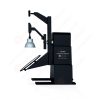
LM-79 Moving Detector Goniophotometer (Mirror Type C)
LSG-6000
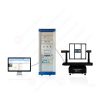
High Precision Rotation Luminaire Goniophotometer
LSG-1890B
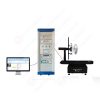
High Precision Rotation Luminaire Goniospectroradiometer
LSG-1890BCCD

Goniophotometer for Automotive and Signal Lamps
LSG-1950
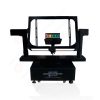
Goniophotometer for Traffic Signal Lamps (Economical Model)
LSG-1950S
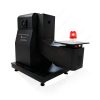
VAD Fire Alarm Visual Alert Device Goniophotometer
LSG-1930
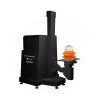
Goniophotometer for Airfield Lighting
LSG-1940
Compact Goniophotometer
LSG-1200A
LED Goniophotometer
LSG-1100
Near Field Moving Detector Goniophotometer
LSG-1900B
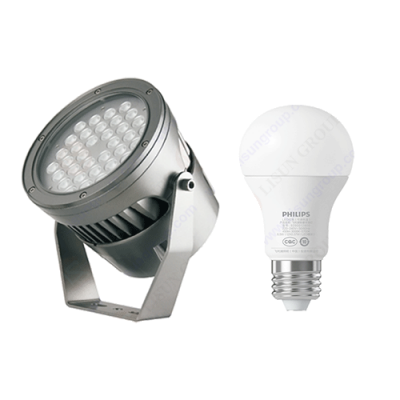 LEDs and Luminaire Test Solutions
 LM-79 and LM-80 Test Solutions
 LED Driver Test Solutions
 Household Appliances Test Solutions
 Mobile and Network Test Solutions
 Automotive Electronics Test Solutions
 Audio-Video and IT Test Solutions
 Cable and Wire Test Solutions
 Plugs and Sockets Test Solutions
 Power Switch Test Solutions
 Transformer Test Solutions
 Electric Toys Test Solutions
 Energy Meter Test Solutions
 Motor-Operated Tool Test Solutions
Select an organization
to browse standards
IEC 61851‑1:2017 is the foundational international standard for electric vehicle conductive charging systems. It sets general safety and performance requirements for EV supply equipment covering four charging modes (Mode 1 to Mode 4), including electrical insulation, dielectric withstand voltage, earthing, residual current protection, transient overvoltage protection, SPD specification, temperature rise, environmental endurance, mechanical impact strength, IP enclosure protection, overload and short-circuit protection. It also defines the control pilot communication mechanism between the charger and vehicle to enable safe charging handshaking and status monitoring.
This standard references a series of IEC test standards for environmental, mechanical and component verification and imposes differentiated rules for indoor and outdoor units as well as Class I and Class II equipment. It specifies acceptance criteria for each test item and serves as the core basis for type testing and global certification of AC and DC charging equipment. Some supplementary material fire-hazard tests such as glow-wire, needle-flame and ball-pressure tests are implemented via referenced IEC 60695 series rather than directly listed in its main clauses.
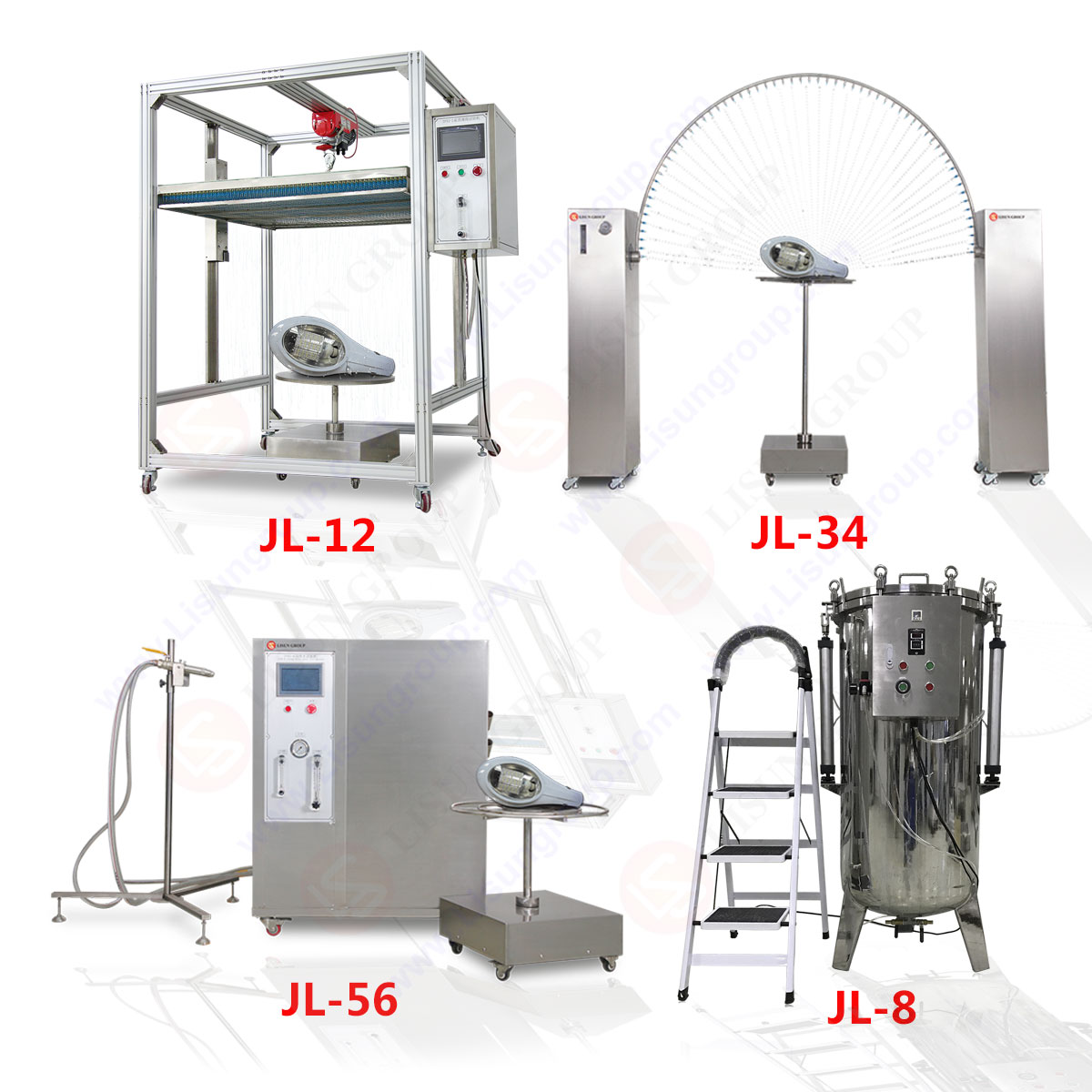
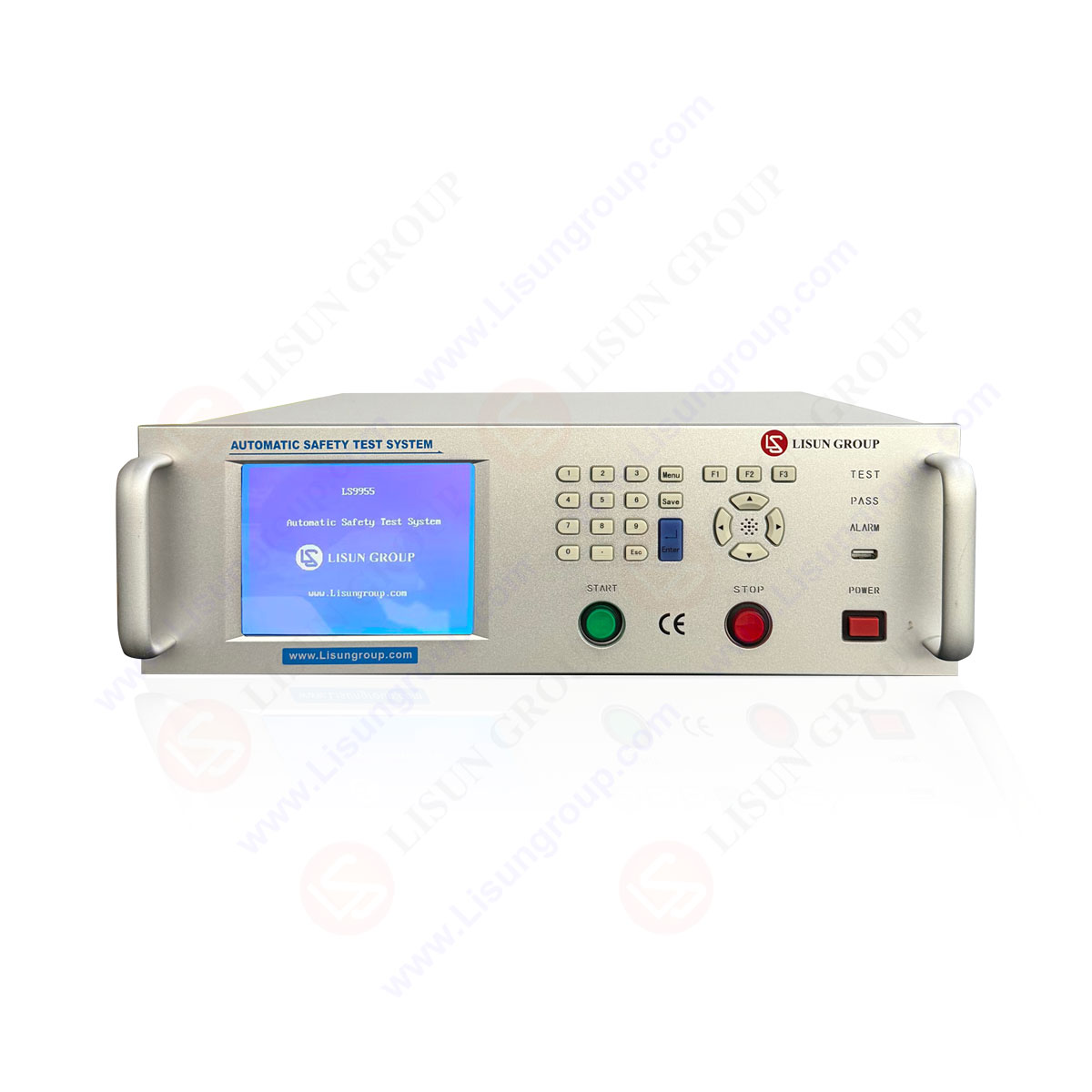
LISUN supplies the fully test solutions for the following IEC 61851‑1:2017, please see the below excel table:
| IEC 61851‑1:2017 Clause and Subject | LISUN MODEL |
| 8.1 Degrees of protection against access to hazardous-live-parts | JL-X |
| 8.4 Protective conductor | LS9955 |
| 8.5 Residual current protective devices | LS-RCT-ABCF7A |
| 11.3 Dielectric withstand characteristics | WB2678A |
| 12.3 Clearances and creepage distances | CK-1 |
| 12.4 IP degrees | JL-X |
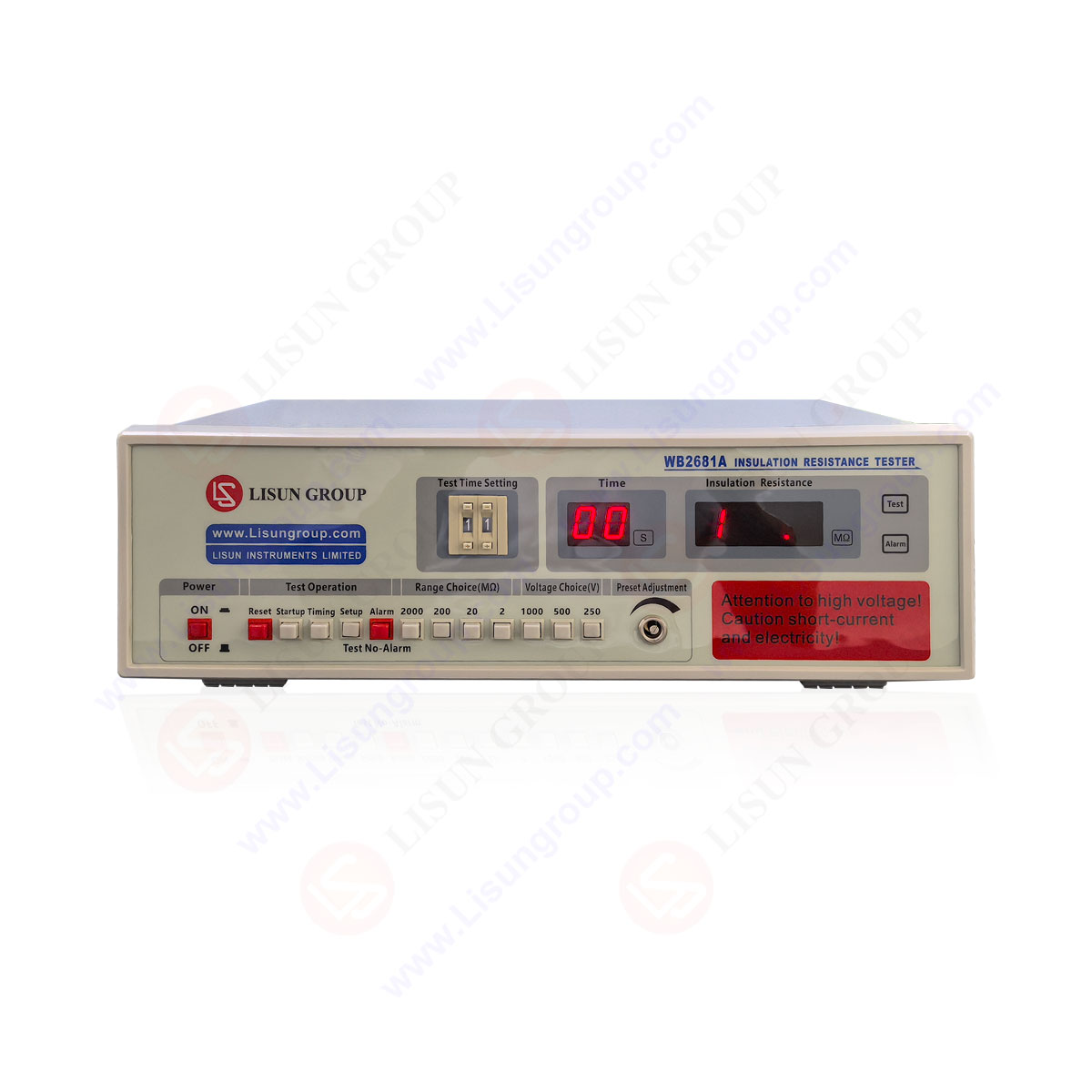
| 12.5 Insulation resistance | WB2681A |
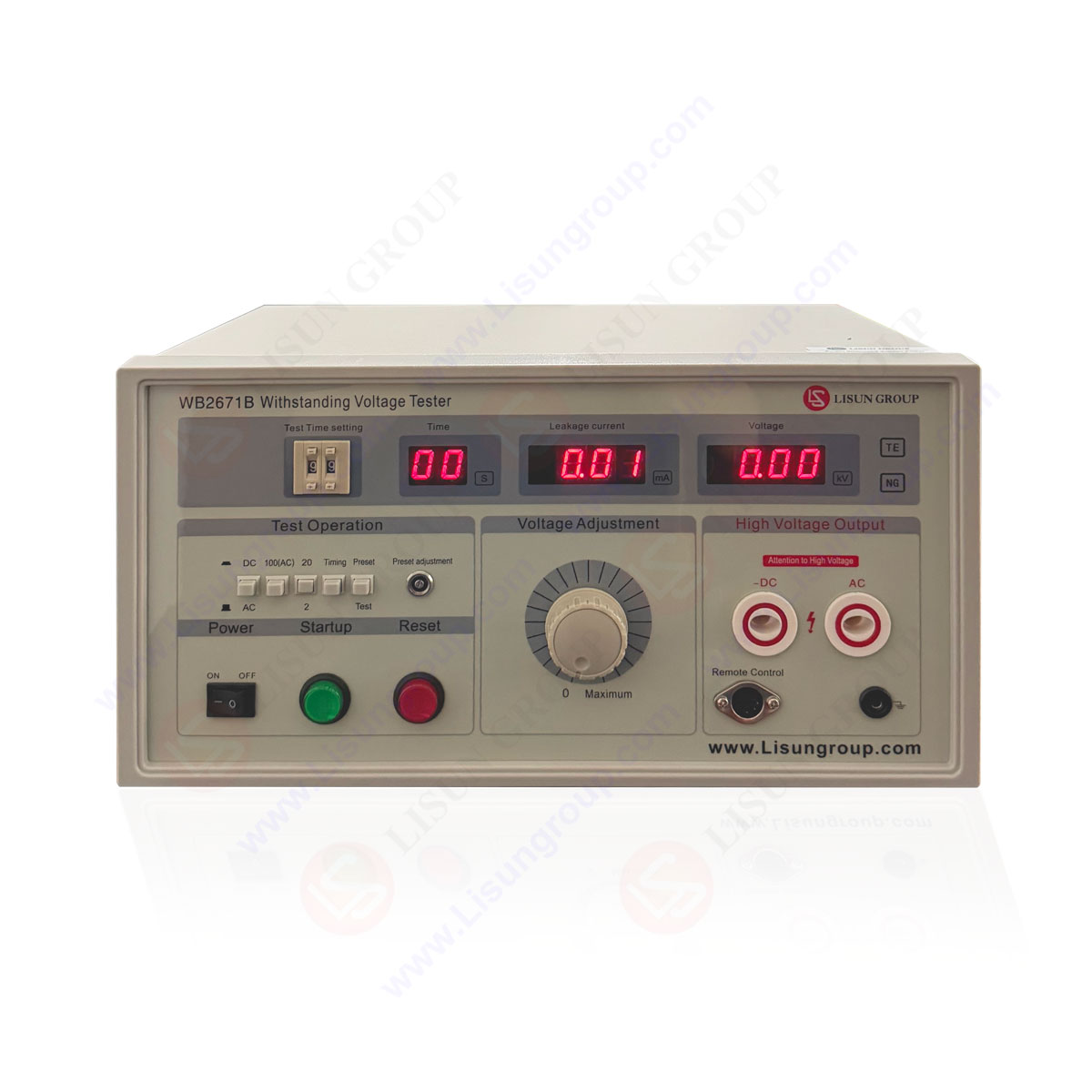
| 12.7 Dielectric withstand voltage | WB2671B |
| 12.7.2 Impulse dielectric withstand (1,2 us/50 ps) | SUG255 |
| 12.8 Temperature rise | TMP-16 |
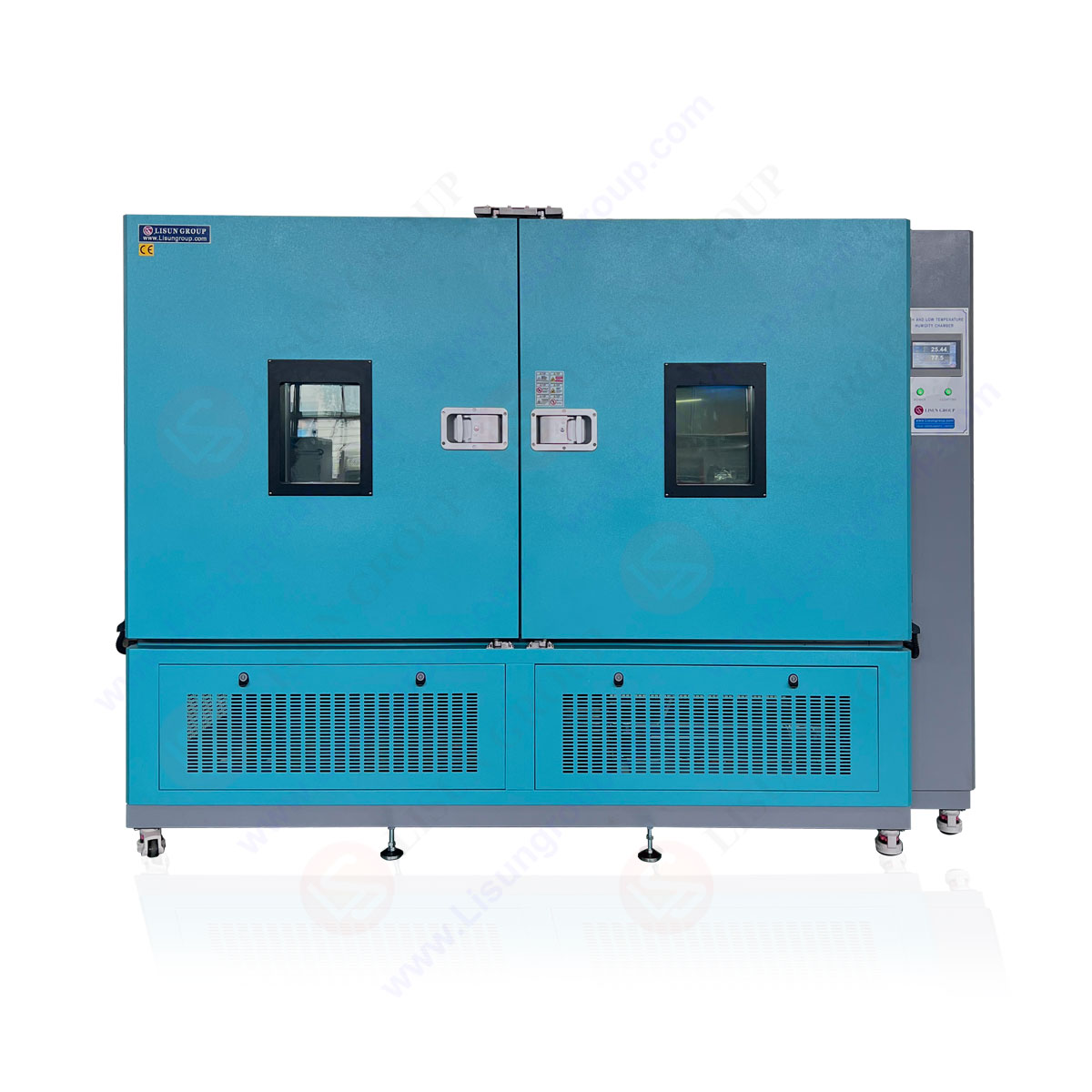
| 12.9 Damp heat functional test | GDJS-015B |
| 12.10 Minimum temperature functional test | |
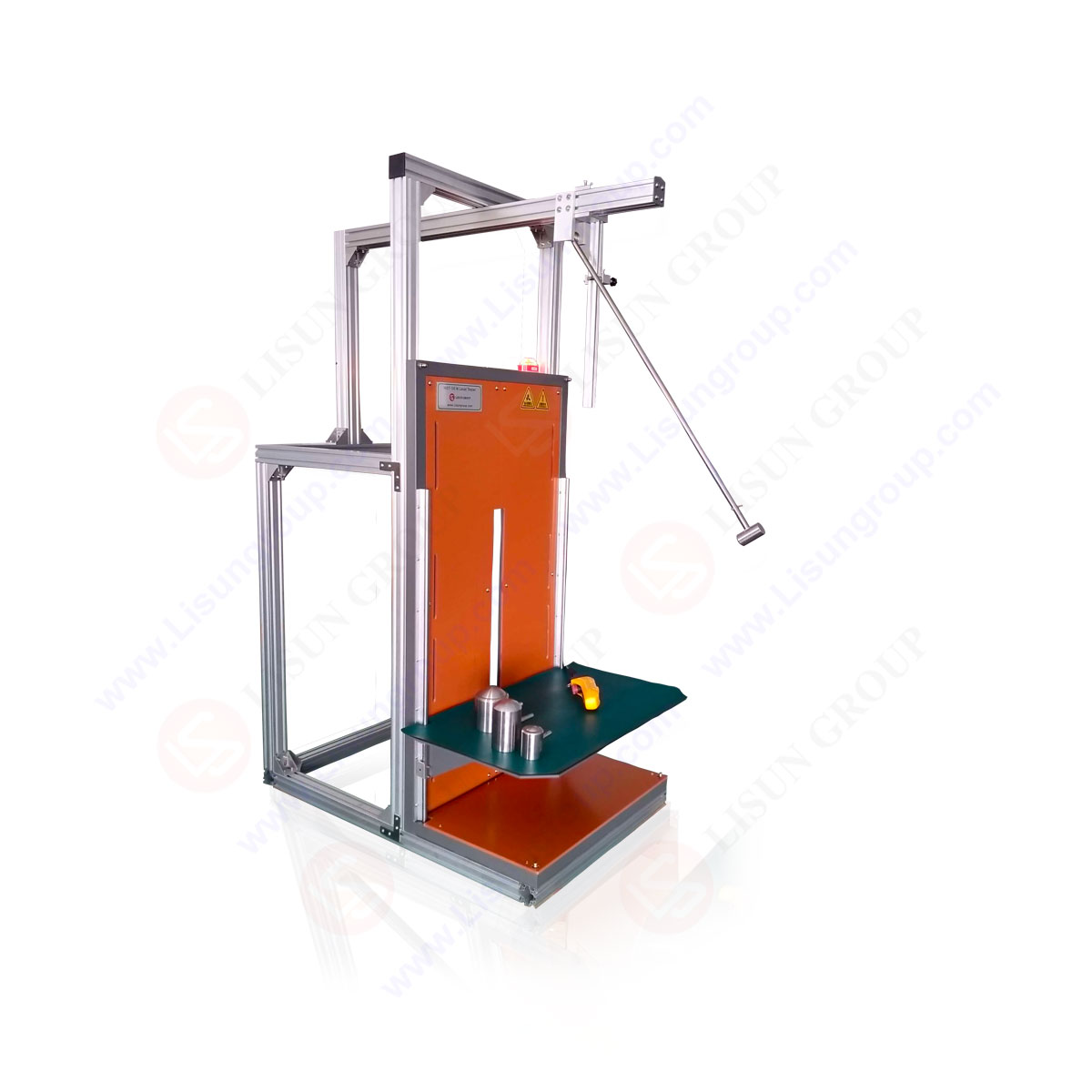
| 12.11 Mechanical strength | IK07-10 |
Your email address will not be published. Required fields are marked *
 English
 中文简体
 English
 Русский
 Español
 Português
 Türkçe
 العربية
 Deutsch
 Polski
 Italiano
 Français
 한국어
 ไทย
 Tiếng Việt
 日本語