LM-79 Moving Detector Goniophotometer (Mirror Type C)
LSG-6000
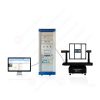
High Precision Rotation Luminaire Goniophotometer
LSG-1890B
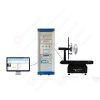
High Precision Rotation Luminaire Goniospectroradiometer
LSG-1890BCCD

Goniophotometer for Automotive and Signal Lamps
LSG-1950
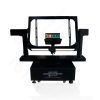
Goniophotometer for Traffic Signal Lamps (Economical Model)
LSG-1950S
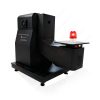
VAD Fire Alarm Visual Alert Device Goniophotometer
LSG-1930
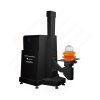
Goniophotometer for Airfield Lighting
LSG-1940
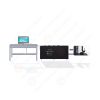
Compact Goniophotometer
LSG-1200A
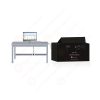
LED Goniophotometer
LSG-1100
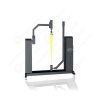
Near Field Moving Detector Goniophotometer
LSG-1900B
 LEDs and Luminaire Test Solutions
 LM-79 and LM-80 Test Solutions
 LED Driver Test Solutions
 Household Appliances Test Solutions
 Mobile and Network Test Solutions
 Automotive Electronics Test Solutions
 Audio-Video and IT Test Solutions
 Cable and Wire Test Solutions
 Plugs and Sockets Test Solutions
 Power Switch Test Solutions
 Transformer Test Solutions
 Electric Toys Test Solutions
 Energy Meter Test Solutions
 Motor-Operated Tool Test Solutions
Select an organization
to browse standards
Abstract:
With the continuous tightening of global environmental regulations, the export of electrical and electronic products requires hazardous substance screening, alloy composition identification and coating thickness measurement. The x ray fluorescence machine has become an important device for industrial quality inspection due to its advantages of non-destructive testing, rapid measurement and simultaneous multi-element detection. Taking the LISUN EDX‑2A energy dispersive X-ray fluorescence spectrometer as the research object, this paper describes the working principle and technical characteristics of the x ray fluorescence machine, analyzes its practical application effect in RoHS compliance testing and elemental composition analysis, and provides reference for instrument selection in the electronic manufacturing and material testing industries.
Introduction:
EU RoHS directive imposes mandatory restrictions on hazardous substances such as lead, cadmium and mercury in electrical and electronic products. The domestic standard SJ/T 11365‑2006 specifies X-ray fluorescence spectrometry as a rapid screening method for hazardous substances. Traditional chemical detection methods require complicated sample pre-treatment and long testing cycles, which cannot meet the demand of mass incoming material screening. Adopting energy dispersive X-ray fluorescence (EDXRF) technology, the x ray fluorescence machine can test solid, powder and liquid samples in a short time without complex digestion procedures. It integrates multiple functions including RoHS screening, alloy element analysis and coating thickness measurement, and is widely used in quality inspection of electronic components, plastic parts and metal materials. As a desktop x ray fluorescence machine, LISUN EDX‑2A energy dispersive X-ray fluorescence spectrometer integrates three types of testing functions in one unit, which is suitable for daily quality control in factory laboratories.
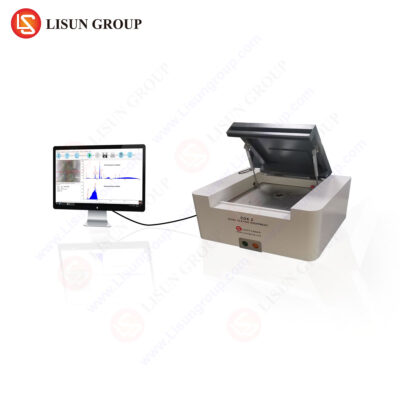
EDX-2A_RoHS Testing Equipment
1 Working Principle of x ray fluorescence machine
The core principle of the x ray fluorescence machine is the X-ray fluorescence effect. The X-ray tube of the instrument emits primary X-rays to irradiate the tested sample. Inner-shell electrons of atoms inside the sample are excited and escape from their orbits. High-energy outer-shell electrons jump to the vacancies in inner shells and release characteristic X-ray fluorescence signals unique to each element. Each element has characteristic X-rays with unique energy. After the detector collects the fluorescence signals, the software identifies the elements contained in the sample according to signal energy and calculates element content based on fluorescence intensity to realize qualitative and quantitative analysis. The energy dispersive x ray fluorescence machine distinguishes photon energy directly by the detector without dispersive crystals, featuring compact structure and fast testing speed, which is suitable for rapid industrial screening.
LISUN EDX‑2A is a non-vacuum desktop x ray fluorescence machine equipped with Si-pin detector. Its maximum tube voltage reaches 50KV, and the content analysis range is 2ppm‑99.99%. It can test solid, powder and liquid samples with a single testing time of about 200 seconds. The total weight of the instrument is 50kg and the sample chamber dimension is 610×320×100mm, which can accommodate relatively large component samples.
2 Main Application Scenarios of x ray fluorescence machine
2.1 RoHS Hazardous Substance Screening
RoHS 2.0 directive restricts six hazardous substances: lead, mercury, cadmium, hexavalent chromium, polybrominated biphenyls and polybrominated diphenyl ethers. Compliance testing on plastic parts and components of electrical and electronic products is an essential step for product export. The LISUN EDX‑2A x ray fluorescence machine can rapidly screen Pb, Hg, Cd, Cr and Br elements and complies with the rapid screening standard SJ/T 11365‑2006. The instrument is equipped with dedicated analysis software, which can directly generate RoHS judgment reports after testing to verify whether samples meet limit requirements. Compared with ICP chemical testing, it eliminates sample digestion steps and is suitable for mass preliminary screening of incoming materials. Suspected non-compliant samples can then be sent to chemical laboratories for precise re-inspection, greatly improving quality inspection efficiency.
2.2 Element Analysis and Coating Thickness Measurement
Upgraded models of the same series including EDX‑2AB, EDX‑2ABC and EDX‑2T expand alloy analysis and coating thickness measurement functions. The x ray fluorescence machine can analyze elements ranging from sulfur (S) to uranium (U) and determine the composition of stainless steel, precious metals and copper alloys. The coating thickness measurement function outputs micron-level coating thickness values according to fluorescence intensity differences of elements in different layers, for quality inspection of electroplated hardware and component coatings. The vacuum version EDX‑2T adopts SDD detector with resolution improved to 129 eV and testing time shortened to 100 seconds. It can test a wider range of elements from sodium (Na) to uranium (U), meeting testing requirements for samples with high proportion of light elements such as ores and magnesium-aluminum alloys.
3 Instrument Performance Advantages
The LISUN EDX‑2A x ray fluorescence machine adopts imported core components, equipped with high-definition camera and chamber lighting. Operators can directly observe the test points of samples to avoid test errors caused by positioning deviation. The device has over-current and short-circuit safety protection for high operational stability. It is delivered with EU standard calibration samples and calibration certificates to ensure reliability of test data. The supporting operating software is highly automated. Operators can complete the whole process including sample testing, data storage and report printing after simple training, lowering the threshold for laboratory operation. As a non-destructive testing device, the x ray fluorescence machine will not damage the tested samples during measurement. Samples can be reused after testing, which brings obvious advantages for precious components and incoming inspection samples.

4 Conclusion
As an energy dispersive X-ray fluorescence spectroscopic device, the x ray fluorescence machine well meets the rapid quality inspection requirements of modern manufacturing. The desktop LISUN EDX‑2A model is built on RoHS testing. Derivative models of the same series cover alloy element analysis and coating thickness measurement. Balancing testing efficiency, easy operation and reliable data, it is suitable for raw material incoming inspection and finished product compliance screening in laboratories of electronic factories and component processing plants. It should be noted that the x ray fluorescence machine belongs to screening instrument. For samples with borderline excessive values, chemical analysis methods shall still be adopted for final confirmation. With continuous updates of domestic and international environmental regulations, the multi-functional integrated x ray fluorescence machine will have broader application prospects in industrial material quality control.
Tags:EDX-2AYour email address will not be published. Required fields are marked *

 English
 中文简体
中文简体 English
 Русский
 Español
 Português
 Türkçe
 العربية
 Deutsch
 Polski
 Italiano
 Français
 한국어
한국어 ไทย
ไทย Tiếng Việt
 日本語
日本語