LM-79 Moving Detector Goniophotometer (Mirror Type C)
LSG-6000
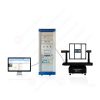
High Precision Rotation Luminaire Goniophotometer
LSG-1890B
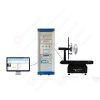
High Precision Rotation Luminaire Goniospectroradiometer
LSG-1890BCCD

Goniophotometer for Automotive and Signal Lamps
LSG-1950
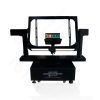
Goniophotometer for Traffic Signal Lamps
LSG-1950S
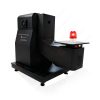
VAD Fire Alarm Visual Alert Device Goniophotometer
LSG-1930
Compact Goniophotometer
LSG-1200A
LED Goniophotometer
LSG-1100
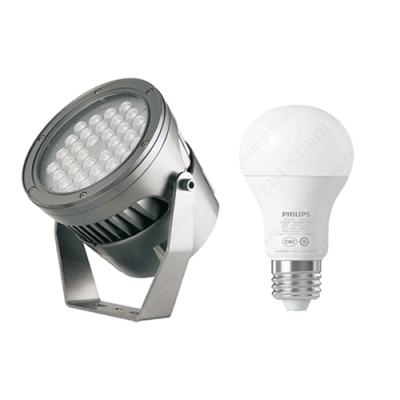 LEDs and Luminaire Test Solutions
 LM-79 and LM-80 Test Solutions
 LED Driver Test Solutions
 Household Appliances Test Solutions
 Mobile and Network Test Solutions
 Automotive Electronics Test Solutions
 Audio-Video and IT Test Solutions
 Cable and Wire Test Solutions
 Plugs and Sockets Test Solutions
 Power Switch Test Solutions
 Transformer Test Solutions
 Electric Toys Test Solutions
 Energy Meter Test Solutions
 Motor-Operated Tool Test Solutions
Select an organization
to browse standards
Luminous intensity measuring device is a core part of optical performance testing for light sources and luminaires, and its data directly affects the light distribution effect, user experience and compliance level of lighting products. Adopting high-precision mechanical structure and professional optical detection modules, the rotary probe vertical goniophotometer is capable of conducting full-space luminous intensity measuring device. It is widely applicable to various lighting products including LED light sources, plant growth lights, HID light sources, indoor and outdoor lamps, street lights and floodlights. Taking LISUN LSG-6000 LM-79 Moving Detector Goniophotometer (Mirror Type C) as the research object, this paper illustrates the working principle, applicable standards, hardware structure and technical parameters of the equipment. Combined with the specification table, it analyzes the applicable scenarios of different models and explores the application value of the device in luminous intensity measuring device for various light sources. This paper provides technical references for product research and development, type inspection and market certification in the lighting industry.
With the continuous innovation of lighting technology, LED, plant growth lighting, traditional HID and other light sources have been widely used in household, road, agricultural, industrial and other fields. Different application environments put forward differentiated requirements on luminous intensity, light distribution, glare and other indicators of light sources. As a fundamental item for evaluating the optical performance of light sources, luminous intensity measuring device can quantify the light output capacity of light sources at various angles, and derive key parameters such as isocandela curve, luminous flux and effective beam angle. It is an essential means for design optimization and quality control of lighting products.
Traditional optical testing equipment suffers from low angular accuracy and limited testing range, which cannot realize full-space luminous intensity measuring device and fails to meet the testing demands of diversified modern light sources. As a new generation of full-space photometric testing equipment, LISUN LSG-6000 Moving Detector Goniophotometer (Mirror Type C) complies with a number of authoritative standards including LM-79, CIE, EN and national standards. It adopts the classic structure with fixed luminaire and rotating probe to accurately complete luminous intensity measuring device for various light sources and automatically generate 3D light distribution curves. Featuring high precision and strong compatibility, this equipment has become a core testing instrument for lighting laboratories and luminaire manufacturers.
Core Working Principle
The LSG-6000 Moving Detector Goniophotometer (Mirror Type C) performs luminous intensity measuring device with the luminaire kept stationary while the probe and reflector rotate circumferentially synchronously. During the test, the tested luminaire remains in a fixed position. The near-field probe, far-field probe and reflector rotate 360 degrees around the luminaire to collect luminous intensity data from all spatial angles in an all-round manner. Equipped with Class L constant-temperature photometric probes and high-precision servo drive system, the equipment can capture subtle changes of luminous intensity and ensure the continuity and accuracy of data obtained from luminous intensity measuring device. The system processes massive collected luminous intensity data and automatically generates 3D light distribution diagrams, isocandela curves and other files to intuitively present the light distribution characteristics of light sources.

Applicable Testing Standards
This equipment fully complies with mainstream domestic and international lighting testing standards, including LM-79-24, LM-79-19, EN13032-1, CIE S025, CIE 121 and national standard GB/T 24824. It also meets regional standards such as SASO2902 and IS16106. Whether for general indoor lamps, outdoor road lighting or special plant growth lights, the equipment can conduct luminous intensity measuring device and related optical parameter tests in accordance with corresponding standards, and the test results can be directly applied to product certification.
Comparison of Different Models
LISUN has launched multiple models of the LSG-6000 series to adapt to luminaires of different sizes and weights. These models differ in maximum load size, load weight and minimum required darkroom height, so users can select appropriate models according to test samples. The detailed specifications are shown in the table below.
| LISUN Model | Maximum Size and Weight of Tested Luminaire | Testable Power | Minimum Darkroom Height |
| LSG-6000 (Standard) | Φ1600×600mm, 50kg | 600V/10A (AC & DC Compatible) | 4.1m |
| LSG-6000S (Compact) | Φ1200×500mm, 40kg | 600V/10A (AC & DC Compatible) | 3.0m |
| LSG-6000B (Large) | Φ1800×800mm, 60kg | 600V/10A (AC & DC Compatible) | 4.7m |
| LSG-6000L (Extra Large) | Φ2000×900mm, 80kg | 600V/10A (AC & DC Compatible) | 5.2m |
Core Technical Advantages
In terms of luminous intensity measuring device accuracy, the angular accuracy of the equipment reaches 0.05° with angular resolution of 0.001°, and the photometric probe features f1′<1.5%, reaching the high-end level of the industry. Driven by Mitsubishi servo motors and German decoders, the equipment runs steadily without jitter, avoiding interference to luminous intensity measuring device results caused by mechanical vibration. A cross laser calibration device is configured to quickly and accurately position the tested light source and further reduce test errors caused by manual installation. The system supports RS-485 and USB communication. Its bilingual software is compatible with operating systems from Win7 to Win11. Test files can be exported in universal formats such as CIE, IES and LDT, which are compatible with professional lighting design software like DiaLux. In addition, the equipment can be equipped with CCD spectroradiometers and dedicated UV probes to expand functions for spectral parameter test and luminous intensity measuring device of UV light sources.
LED Light Sources
LED light sources are the most widely used lighting products at present. The uniformity of light spot and irradiation range largely depend on data from luminous intensity measuring device. The LSG-6000 can collect full-space luminous intensity data for LED bulbs, panel lights, spotlights and other products. By analyzing luminous intensity at different angles, manufacturers can optimize lens structure and lamp bead arrangement to solve problems such as uneven light spots and local over-brightness.
Plant Growth Lights
Plant growth lights have strict requirements on spatial distribution of luminous intensity. The upgraded model LSG-6000CCD can conduct luminous intensity measuring device as well as synchronous tests of agricultural optical parameters including PAR, PPF and PPFD. It clarifies luminous intensity distribution in different areas to guarantee qualified lighting conditions for plant growth.
HID Light Sources
Traditional HID light sources feature high power and special luminous characteristics, which are difficult for conventional equipment to test in full space. With high-power adaptive design, this equipment can stably complete luminous intensity measuring device for HID light sources, detect light attenuation and light distribution deviation, and ensure the service performance of industrial lighting and high-power outdoor lamps.
Street Lights and Floodlights
As high-power outdoor lighting equipment, street lights and floodlights require luminous intensity measuring device to evaluate road illuminance, glare control and energy efficiency. The equipment can simulate actual installation angles, test luminous intensity in effective road irradiation areas, and judge whether products meet road lighting standards combined with UGR glare rating and height-to-spacing ratio.
General Indoor and Outdoor Lamps
For household lamps, commercial lighting and other conventional products, the equipment can rapidly complete luminous intensity measuring device as well as full sets of tests including luminous flux and isolux curves. It meets the demands of R&D debugging and production line sampling inspection, and improves the qualified rate of finished products.

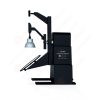
Figure: Type C goniophotometer
Luminous intensity measuring device is a key procedure to evaluate the optical performance of light sources and luminaires. LISUN LSG-6000 LM-79 Moving Detector Goniophotometer (Mirror Type C) features high testing accuracy, full standard compatibility and diversified models. It can efficiently conduct luminous intensity measuring device for a full range of lighting products including LED light sources, plant growth lights, HID light sources, street lights and floodlights. The integrated testing process, universal file formats and expandable functional modules can satisfy the demands of enterprises for product R&D and structural optimization, as well as support authoritative testing and product certification of third-party laboratories.
With the continuous development of the lighting industry, new types of light sources keep emerging and optical testing standards are becoming increasingly stringent. Represented by the LSG-6000 series Moving Detector Goniophotometer (Mirror Type C) with reliable performance act as important infrastructure to guarantee lighting product quality and promote industrial technological upgrading. They will continue to play a vital role in luminous intensity measuring device and full-range optical parameter testing of light sources.
Tags:LSG-6000Your email address will not be published. Required fields are marked *

 English
 中文简体
中文简体 English
 Русский
 Español
 Português
 Türkçe
 العربية
 Deutsch
 Polski
 Italiano
 Français
 한국어
한국어 ไทย
ไทย Tiếng Việt
 日本語
日本語