LM-79 Moving Detector Goniophotometer (Mirror Type C)
LSG-6000
High Precision Rotation Luminaire Goniophotometer
LSG-1890B
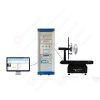
High Precision Rotation Luminaire Goniospectroradiometer
LSG-1890BCCD

Goniophotometer for Automotive and Signal Lamps
LSG-1950
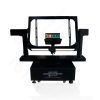
Goniophotometer for Traffic Signal Lamps (Economical Model)
LSG-1950S
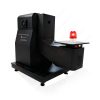
VAD Fire Alarm Visual Alert Device Goniophotometer
LSG-1930
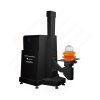
Goniophotometer for Airfield Lighting
LSG-1940
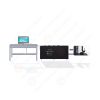
Compact Goniophotometer
LSG-1200A
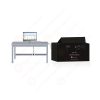
LED Goniophotometer
LSG-1100
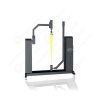
Near Field Moving Detector Goniophotometer
LSG-1900B
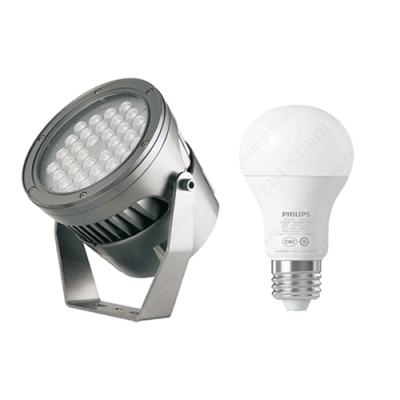 LEDs and Luminaire Test Solutions
 LM-79 and LM-80 Test Solutions
 LED Driver Test Solutions
 Household Appliances Test Solutions
 Mobile and Network Test Solutions
 Automotive Electronics Test Solutions
 Audio-Video and IT Test Solutions
 Cable and Wire Test Solutions
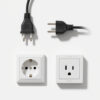 Plugs and Sockets Test Solutions
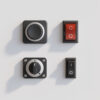 Power Switch Test Solutions
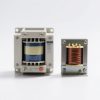 Transformer Test Solutions
 Electric Toys Test Solutions
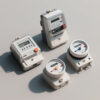 Energy Meter Test Solutions
 Motor-Operated Tool Test Solutions
Select an organization
to browse standards
Water spray test chambers designed for IPX5 and IPX6 waterproof testing represent critical equipment for verifying the ingress protection capabilities of electrical and electronic product enclosures. This paper presents a comprehensive technical analysis of IPX5 IPX6 water spray test chambers, focusing on their compliance with IEC 60529 standards and practical applications in industrial settings. The study examines the core technical specifications of test equipment, including nozzle diameters, water flow rates, and testing protocols, which directly impact the accuracy and reliability of waterproof performance evaluation.
Through detailed examination of testing parameters such as the 6.3mm nozzle for IPX5 with 12.5 L/min flow rate and the 12.5mm nozzle for IPX6 with 100 L/min flow rate, this research elucidates the critical role of IPX5 IPX6 water spray test chamber technology in ensuring product reliability across diverse environmental conditions. The analysis further explores equipment design principles, operational considerations, and industry applications, providing valuable insights for manufacturers and testing laboratories in selecting appropriate waterproof testing solutions.
The ingress protection rating system established by IEC 60529 serves as the fundamental international standard for evaluating the degree of protection provided by enclosures against the intrusion of solid objects and liquids. In the context of water protection, the IP code’s second characteristic digit ranges from 0 to 9, representing progressively higher levels of water resistance capabilities. Among these ratings, IPX5 and IPX6 certifications are particularly significant for equipment exposed to rainfall, hose cleaning, or water spray environments in industrial, automotive, and consumer electronics applications.
The growing demand for reliable waterproof performance in electrical products has driven the development of sophisticated testing equipment capable of accurately simulating various water exposure conditions. Modern waterproof test chambers must comply with stringent IEC 60529 requirements while offering the flexibility to accommodate diverse product types and testing scenarios. The market for environmental test chambers continues to expand as manufacturers prioritize product durability and regulatory compliance across global markets.
This study aims to provide a comprehensive technical analysis of IPX5 IPX6 water spray test chambers, focusing on their design principles, testing methodologies, and practical applications. The specific objectives include examining the technical specifications mandated by IEC 60529 standards, analyzing equipment configurations that meet these requirements, exploring the engineering considerations for selecting appropriate test chambers, and evaluating the role of these devices in ensuring product reliability across various industrial sectors.
By synthesizing technical standards, equipment specifications, and application insights, this research seeks to assist manufacturers and testing laboratories in making informed decisions regarding IPX5 IPX6 water spray test chamber selection and utilization, ultimately contributing to improved product quality and compliance with international waterproof protection requirements.
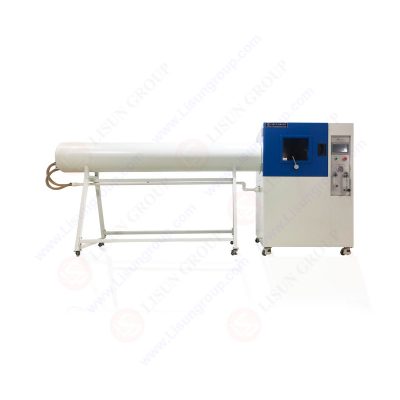
JL-56CP_Waterproof Test Chamber
IEC 60529, titled “Degrees of Protection Provided by Enclosures (IP Code),” was first published by the International Electrotechnical Commission to establish a standardized system for classifying the degrees of protection provided by enclosures for electrical equipment against the intrusion of solid objects and liquids. The standard has undergone multiple revisions to address technological advancements and evolving industry requirements, with the most recent version IEC 60529:2013 incorporating amendments AMD1:1999 and AMD2:2013.
The development of the IP code system reflected the need for a unified international standard that could be referenced across different regions and industries. Over time, the standard has been adopted by numerous national standardization bodies, including the European EN 60529 and Chinese GB/T 4208, ensuring global harmonization of ingress protection testing requirements. The continuous evolution of IEC 60529 demonstrates its ongoing relevance in addressing emerging challenges related to equipment protection in diverse environmental conditions.
IEC 60529:2013 specifies detailed testing methodologies for IPX5 and IPX6 water protection levels in clauses 14.2.5 and 14.2.6, respectively. For IPX5 testing, the standard requires the use of a nozzle with a 6.3mm internal diameter, delivering water at a flow rate of 12.5 L/min ±5% from a distance of 2.5 to 3 meters. The test duration is specified as one minute per square meter of enclosure surface area likely to be sprayed, with a minimum test duration of three minutes.
For IPX6 testing, which evaluates protection against powerful water jets, the standard mandates a larger nozzle with a 12.5mm internal diameter and a significantly higher flow rate of 100 L/min ±5%. The testing distance and duration requirements remain consistent with IPX5, at 2.5 to 3 meters and one minute per square meter with a three-minute minimum, respectively. These specifications reflect the increased severity of IPX6 testing, designed to simulate more demanding water exposure scenarios such as high-pressure cleaning or severe weather conditions.
IPX5 water jet testing evaluates an enclosure’s ability to withstand water projected from a 6.3mm nozzle without experiencing harmful effects. The testing apparatus must precisely control water flow to maintain the specified rate of 12.5 L/min ±0.625 L/min, which typically corresponds to a water pressure of approximately 30 kPa. The core of the substantial stream should form a circle not exceeding 40mm in diameter at a distance of 2.5 meters from the nozzle, ensuring consistent testing conditions across different equipment implementations.
The testing procedure requires spraying the enclosure from all practicable directions, subjecting the equipment under test to comprehensive water exposure. This comprehensive testing approach ensures that potential vulnerabilities in enclosure design are identified, regardless of the direction from which water might approach. The minimum three-minute test duration ensures adequate exposure time for detecting water ingress that might not be immediately apparent during shorter testing periods.
IPX6 powerful water jet testing represents a more severe evaluation of waterproof protection capabilities, requiring water to be projected through a 12.5mm nozzle at a flow rate of 100 L/min ±5 L/min. This substantially higher flow rate, typically achieved at approximately 100 kPa water pressure, generates significantly more impactful water jets capable of revealing enclosure vulnerabilities that might not be detected during IPX5 testing. The core of the substantial stream at IPX6 levels can reach up to 120mm in diameter at 2.5 meters distance.
The increased testing severity of IPX6 makes it particularly suitable for equipment that may be exposed to high-pressure cleaning processes, marine environments, or severe weather conditions. Manufacturers seeking IPX6 certification must ensure that their enclosure designs can withstand these more demanding water exposure scenarios without compromising internal component integrity or functionality.
| Parameter | IPX5 Testing | IPX6 Testing |
| Nozzle Diameter | 6.3 mm | 12.5 mm |
| Water Flow Rate | 12.5 ±0.625 L/min | 100 ±5 L/min |
| Water Pressure | 30 kPa | 100 kPa |
| Test Distance | 2.5-3 meters | 2.5-3 meters |
| Test Duration | 1 min/m², minimum 3 min | 1 min/m², minimum 3 min |
| Stream Diameter | ≤40 mm at 2.5m | ≤120 mm at 2.5m |
Table 1: Comparison of IPX5 and IPX6 Water Jet Testing Parameters According to IEC 60529
A comprehensive IPX5 IPX6 water spray test chamber system typically comprises several key components designed to ensure accurate and repeatable testing results. The primary component is the water jet nozzle assembly, which must be constructed from corrosion-resistant materials such as stainless steel to maintain dimensional accuracy and prevent contamination of the test water supply. Modern test chambers incorporate interchangeable nozzles, allowing rapid switching between the 6.3mm IPX5 nozzle and the 12.5mm IPX6 nozzle without requiring complete system reconfiguration.
The water delivery system includes precision flow control mechanisms, typically utilizing mechanical flow meters with adjustable valve assemblies to maintain the specified flow rates within the tight tolerances required by IEC 60529. Pressure gauges with appropriate ranges, typically 0-1.6 bar or 0-2.5 bar dial gauges, enable operators to monitor water pressure and ensure it remains within the specified parameters throughout the testing process. The test turntable or sample holding mechanism must accommodate the maximum weight and dimensions of the equipment under test, with standard configurations supporting samples up to 50kg.
Effective water management is critical for maintaining consistent testing conditions and ensuring compliance with environmental regulations. The water tank or reservoir must provide adequate capacity to sustain the required flow rates throughout the testing duration, particularly for IPX6 testing which demands 100 L/min flow. Standard water tank dimensions for professional test chambers typically measure approximately 780×580×1100mm (L×W×H), providing sufficient water volume to accommodate extended testing periods without requiring frequent replenishment.
The drainage system must handle the substantial water volumes generated during testing, particularly when conducting IPX6 tests at 100 L/min flow rates. Properly designed drainage channels with appropriate slope dimensions prevent water accumulation around the test chamber, ensuring safe operating conditions and maintaining consistent testing environments. Water filtration systems may be incorporated to remove particulates that could potentially clog the precision nozzles or affect test water quality, particularly important when recirculating water in high-throughput testing facilities.

The automotive sector represents one of the most significant application areas for IPX5 IPX6 water spray test chambers, driven by the stringent reliability requirements for vehicles operating in diverse environmental conditions. Automotive components including sensors, headlights, control modules, and electrical connectors must demonstrate reliable water resistance to ensure vehicle safety and performance throughout their operational lifetime. IPX5 testing is commonly applied to components that may be exposed to rain during normal vehicle operation, while IPX6 certification is required for parts subject to high-pressure washing processes during vehicle maintenance.
Automotive manufacturers increasingly specify IPX5 and IPX6 testing as part of their component qualification processes, recognizing that water ingress represents a leading cause of electrical system failures in vehicles. The ability of test chambers to accurately simulate these water exposure conditions enables automotive engineers to identify and address enclosure design vulnerabilities before components enter mass production, significantly reducing warranty costs and enhancing overall vehicle reliability.
Consumer electronics manufacturers increasingly incorporate waterproof testing into their product development processes to address consumer expectations for device durability and reliability. Outdoor cameras, rugged smartphones, waterproof speakers, and security cameras represent typical products that undergo IPX5 and IPX6 testing to verify their claimed water resistance capabilities. The testing process helps manufacturers validate enclosure designs, seal integrity, and overall product quality before market launch.
Household appliances including outdoor lighting fixtures, security cameras, and garden equipment also require IPX5 IPX6 certification to ensure reliable operation in outdoor or wet environments. The standardized testing approach provided by IEC 60529 enables manufacturers to demonstrate compliance with regulatory requirements across different markets, while also providing consumers with assurance regarding product durability in various weather conditions.
When selecting an IPX5 IPX6 water spray test chamber, several critical factors must be evaluated to ensure the equipment meets specific testing requirements and operational needs. Compliance with IEC 60529 standards represents the fundamental requirement, as non-compliant equipment may generate test results that are not accepted by certification bodies or regulatory agencies. Prospective buyers should verify that the equipment manufacturer provides documentation confirming compliance with the specific standard version applicable to their target markets, such as IEC 60529:2013.
Testing flexibility represents another important consideration, particularly for laboratories serving diverse client bases or manufacturers producing products with varying testing requirements. Equipment that supports both IPX5 and IPX6 testing configurations without requiring extensive reconfiguration enables higher operational efficiency and reduces equipment downtime between tests. The availability of interchangeable nozzles, adjustable flow control systems, and compatible sample holding mechanisms contributes significantly to overall testing flexibility.
Ensuring accurate and repeatable test results requires adherence to established operational best practices when utilizing IPX5 IPX6 water spray test chambers. Regular calibration of flow meters and pressure gauges is essential to maintain the precise control of water delivery parameters specified by IEC 60529. Calibration should be performed according to the equipment manufacturer’s recommendations and documented to maintain traceability of measurement systems.
Water quality management significantly impacts test accuracy and equipment longevity. Using clean, filtered water with appropriate chemical characteristics prevents nozzle clogging and ensures consistent water flow characteristics. Regular inspection and cleaning of nozzles, particularly the small aperture 6.3mm IPX5 nozzle, prevents buildup of mineral deposits or contaminants that could affect water spray patterns and flow rates. Documentation of water quality parameters and maintenance procedures supports reproducibility of testing results across different time periods and testing facilities.
| Consideration Factor | Key Requirements | Impact on Testing Quality |
| Standard Compliance | IEC 60529:2013 certified equipment | Ensures regulatory acceptance |
| Flow Control Accuracy | ±5% flow rate tolerance | Maintains test consistency |
| Nozzle Material | Stainless steel construction | Ensures dimensional stability |
| Water Quality | Clean, filtered water supply | Prevents nozzle contamination |
| Calibration Schedule | Regular flow meter verification | Maintains measurement accuracy |
| Load Capacity | Adequate for EUT weight/size | Accommodates diverse products |
Table 2: Equipment Selection and Operational Considerations for IPX5 IPX6 Water Spray Test Chambers
IPX5 IPX6 water spray test chambers represent essential equipment for verifying the waterproof protection capabilities of electrical and electronic product enclosures in accordance with IEC 60529 standards. The technical specifications governing these test chambers, including precise nozzle diameters of 6.3mm for IPX5 and 12.5mm for IPX6, along with corresponding flow rates of 12.5 L/min and 100 L/min, respectively, establish the foundation for accurate and reliable waterproof performance evaluation.
The continued relevance of IPX5 IPX6 water spray test chamber technology in ensuring product reliability across diverse industrial applications underscores its importance in modern quality assurance processes. As manufacturers increasingly prioritize product durability and regulatory compliance in global markets, the demand for sophisticated waterproof testing equipment that meets international standards will continue to grow. Proper selection, operation, and maintenance of these test chambers contribute significantly to the production of high-quality, reliable products capable of withstanding challenging environmental conditions throughout their operational lifetimes.
Tags:JL-XYour email address will not be published. Required fields are marked *

 English
 中文简体
中文简体 English
 Русский
 Español
 Português
 Türkçe
 العربية
 Deutsch
 Polski
 Italiano
 Français
 한국어
한국어 ไทย
ไทย Tiếng Việt
 日本語
日本語