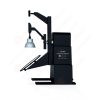
LM-79 Moving Detector Goniophotometer (Mirror Type C)
LSG-6000
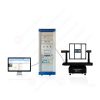
High Precision Rotation Luminaire Goniophotometer
LSG-1890B
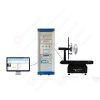
High Precision Rotation Luminaire Goniospectroradiometer
LSG-1890BCCD

Goniophotometer for Automotive and Signal Lamps
LSG-1950
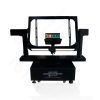
Goniophotometer for Traffic Signal Lamps (Economical Model)
LSG-1950S
VAD Fire Alarm Visual Alert Device Goniophotometer
LSG-1930
Goniophotometer for Airfield Lighting
LSG-1940
Compact Goniophotometer
LSG-1200A
LED Goniophotometer
LSG-1100
Near Field Moving Detector Goniophotometer
LSG-1900B
 LEDs and Luminaire Test Solutions
 LM-79 and LM-80 Test Solutions
 LED Driver Test Solutions
 Household Appliances Test Solutions
 Mobile and Network Test Solutions
 Automotive Electronics Test Solutions
 Audio-Video and IT Test Solutions
 Cable and Wire Test Solutions
 Plugs and Sockets Test Solutions
 Power Switch Test Solutions
 Transformer Test Solutions
 Electric Toys Test Solutions
 Energy Meter Test Solutions
 Motor-Operated Tool Test Solutions
Select an organization
to browse standards
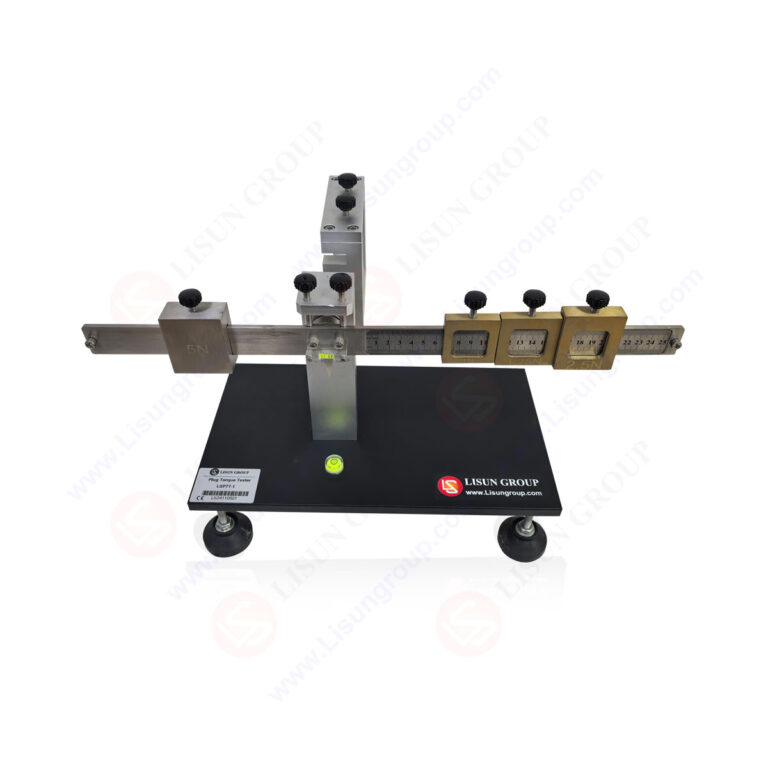
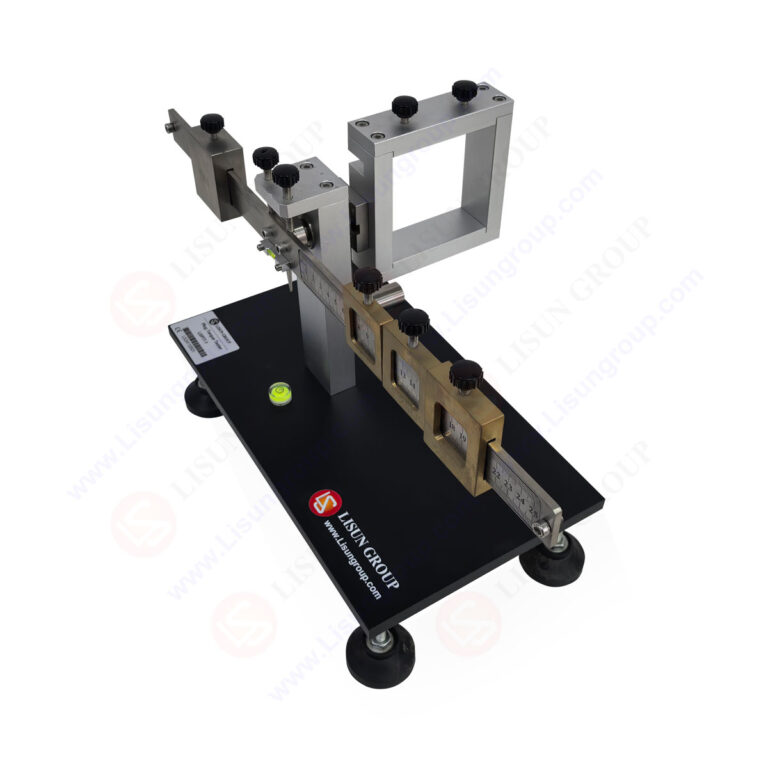
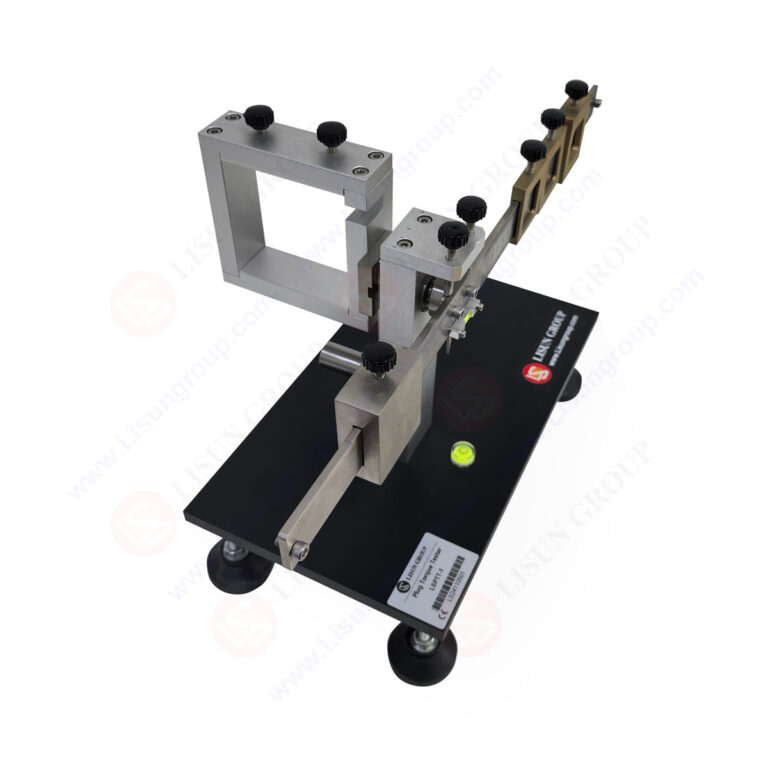
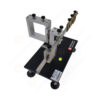
Product No: LSPTT-1
The LSPTT-1 Plug Torque Tester is a testing device specifically designed to verify the torque of specific devices. Through a precise balance adjustment mechanism, this device simulates the usage state of a device inserted into a fixed output socket. With a reasonable mechanical structure layout, it measures the torque applied by the device’s plug to the output socket, helping to determine whether the torque of the device meets the corresponding requirements when used with the socket, providing reliable support for product compliance verification.
Standard:
| Standards | Standards Name |
| IEC 60884-1:2022 | Plugs and socket-outlets for household and similar purposes – Part 1: General requirements |
| IEC 60335-1:2023 | Household and similar electrical appliances – Part 1: Safety requirements |
| IEC 60065:2014 | Audio, video and similar electronic apparatus – Safety requirements |
| IEC 62368-1:2023 | Audio/video, information and communication technology equipment – Part 1: Safety requirements |
| GB/T 2099.1-2021 | 家用和类似用途插头插座 第 1 部分:通用要求 |
| GB/T 4706-2024 | 家用和类似用途电器的安全 第 1 部分:通用要求 |
| GB 8898-2011 | 音频、视频及类似电子设备 安全要求 |
| GB/T 4943.1-2022 | 信息技术设备 安全 第 1 部分:通用要求 |
Specification:
• Types of sockets: One of each universal socket (suit for GB and BS plug), UL socket, European socket.
• Weight configuration: 1N, 1.25N, 2.5N each 1pc.
Applications:
1. Torque testing of household appliances with plugs that need to be inserted into fixed output sockets.
2. Torque compliance testing of various plug-related devices conforming to relevant standards.
3. Torque testing applicable to electronic devices with different plug specifications when mated with sockets.
4. Torque performance verification of products by relevant manufacturers before they leave the factory.
5. Compliance inspection work of quality inspection agencies for plug-related devices.
Test Process:
1. Adjust the test weight on the right side of the device, and move its left edge to 10mm the steel ruler. And then adjust the balance weight on the balance arm, that is the left side of the device to make the ruler horizontal, and then observe whether the level gauge on the ruler arm is horizontal (observe the level bubble on the ruler).
2. Insert the sample plug into the clamped power socket; adjust the position of the weight on the right of the device. So that the plug-in surface is in a vertical position (observe the level bubble on the ruler).
3. Read the value on the ruler and multiply it by the weight of the weight. The value is the torque applied by the sample to the power socket. You can also place a 2.5N weight 100mm from the starting point of the balance arm (the left edge of the test weight on the right side of the device is 10mm from the ruler), and observe the state of the ruler to determine whether the torque applied by the sample is within the standard range.
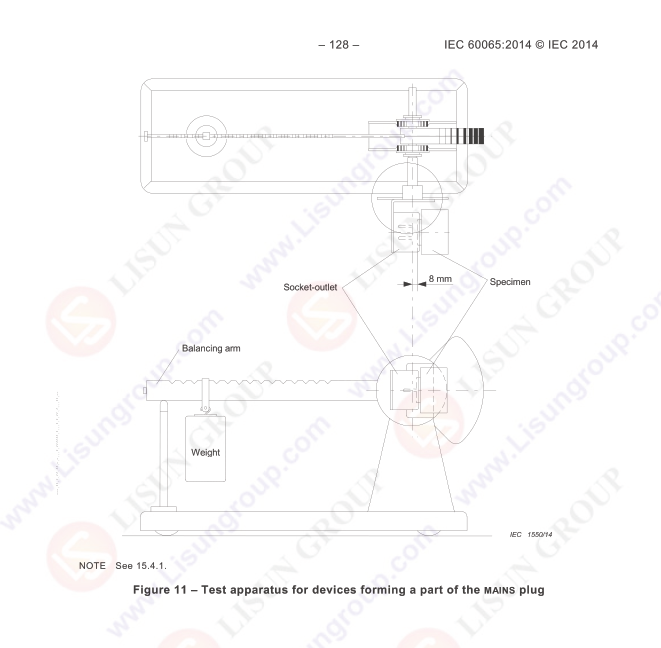
IEC 60065 Figure 11

LISUN's audio - video information communication testing solutions are designed to meet the...

 English
 中文简体
中文简体 English
 Русский
 Español
 Português
 Türkçe
 العربية
 Deutsch
 Polski
 Italiano
 Français
 한국어
한국어 ไทย
ไทย Tiếng Việt
 日本語
日本語