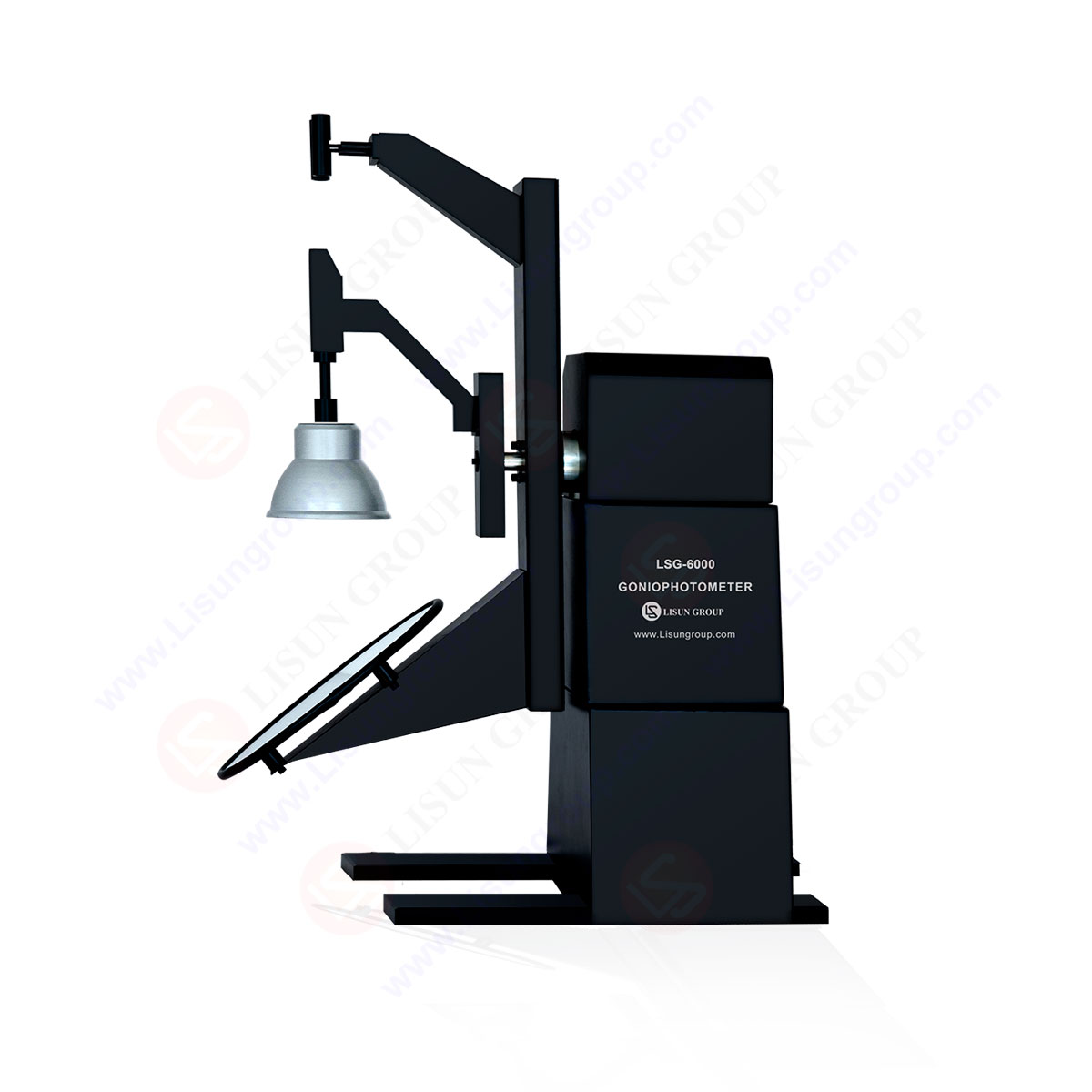
LM-79 Moving Detector Goniophotometer (Mirror Type C)
LSG-6000
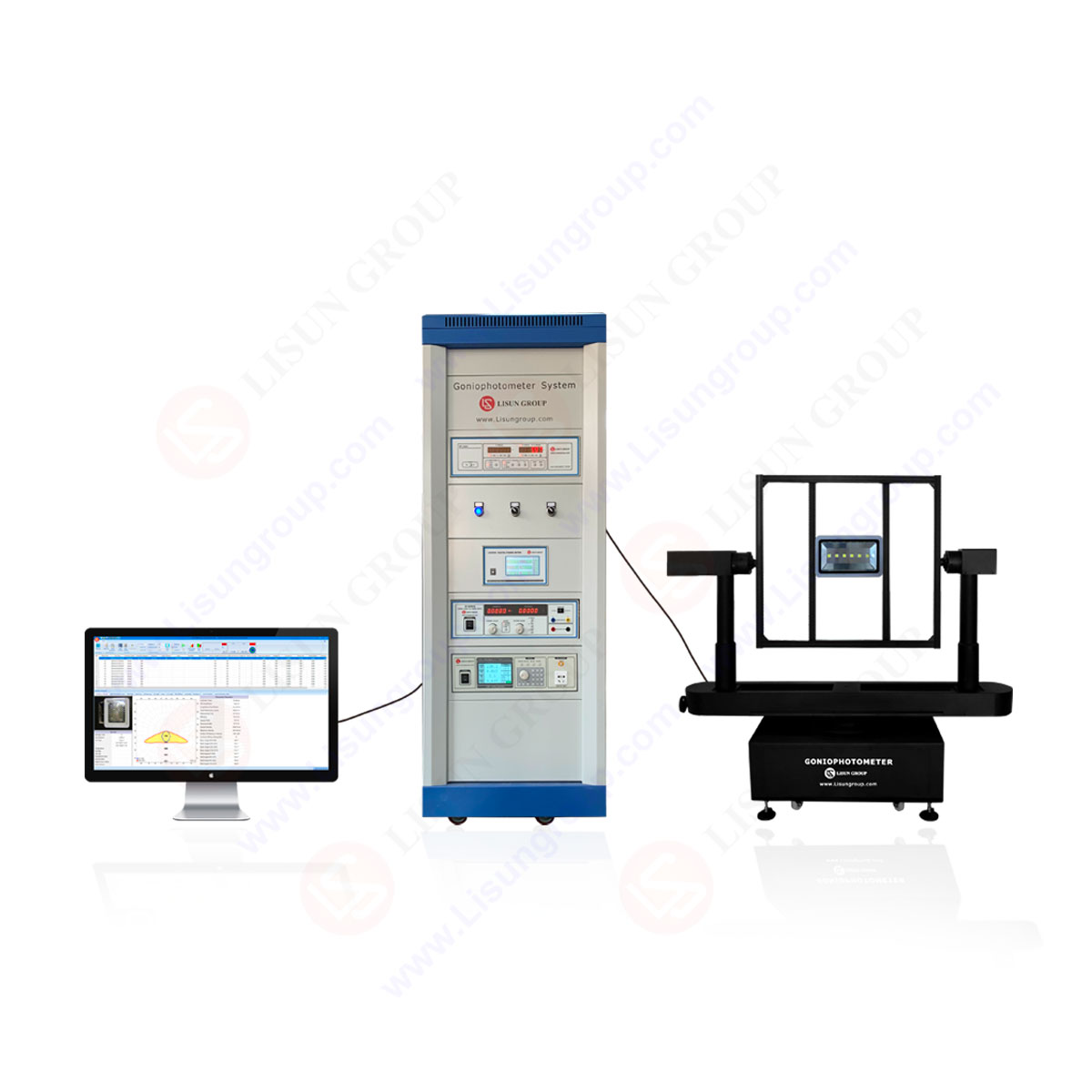
High Precision Rotation Luminaire Goniophotometer
LSG-1890B
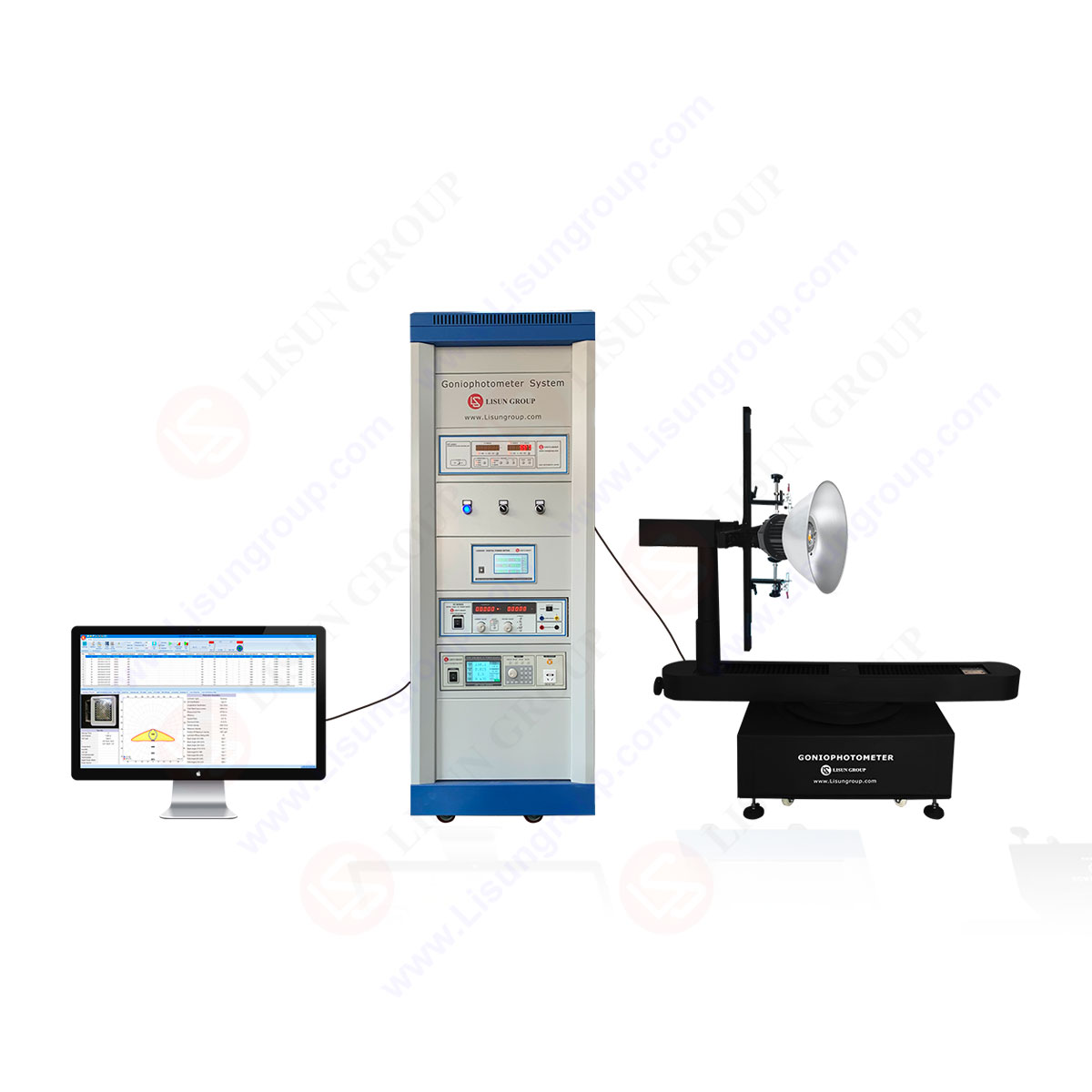
High Precision Rotation Luminaire Goniospectroradiometer
LSG-1890BCCD
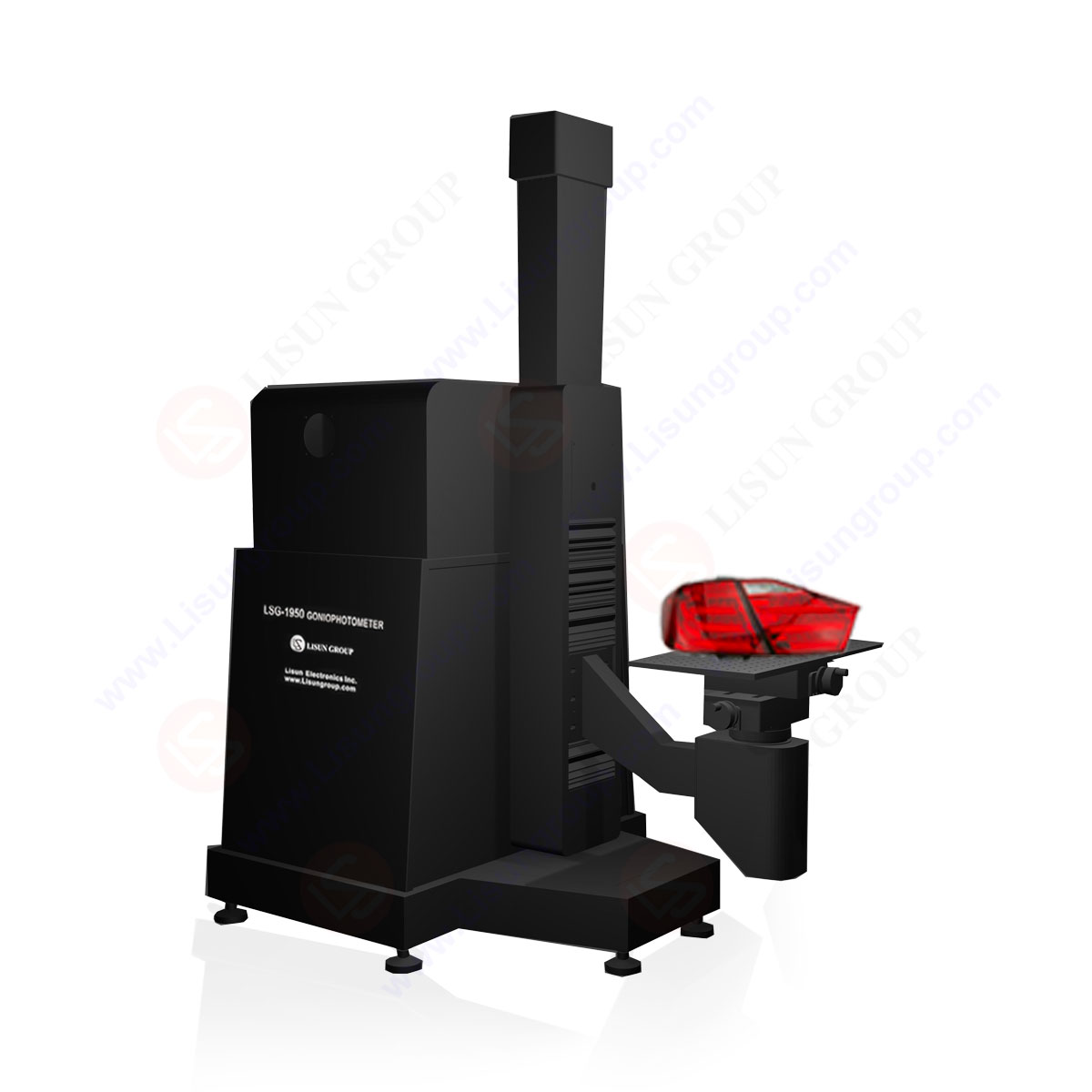
Goniophotometer for Automotive and Signal Lamps
LSG-1950
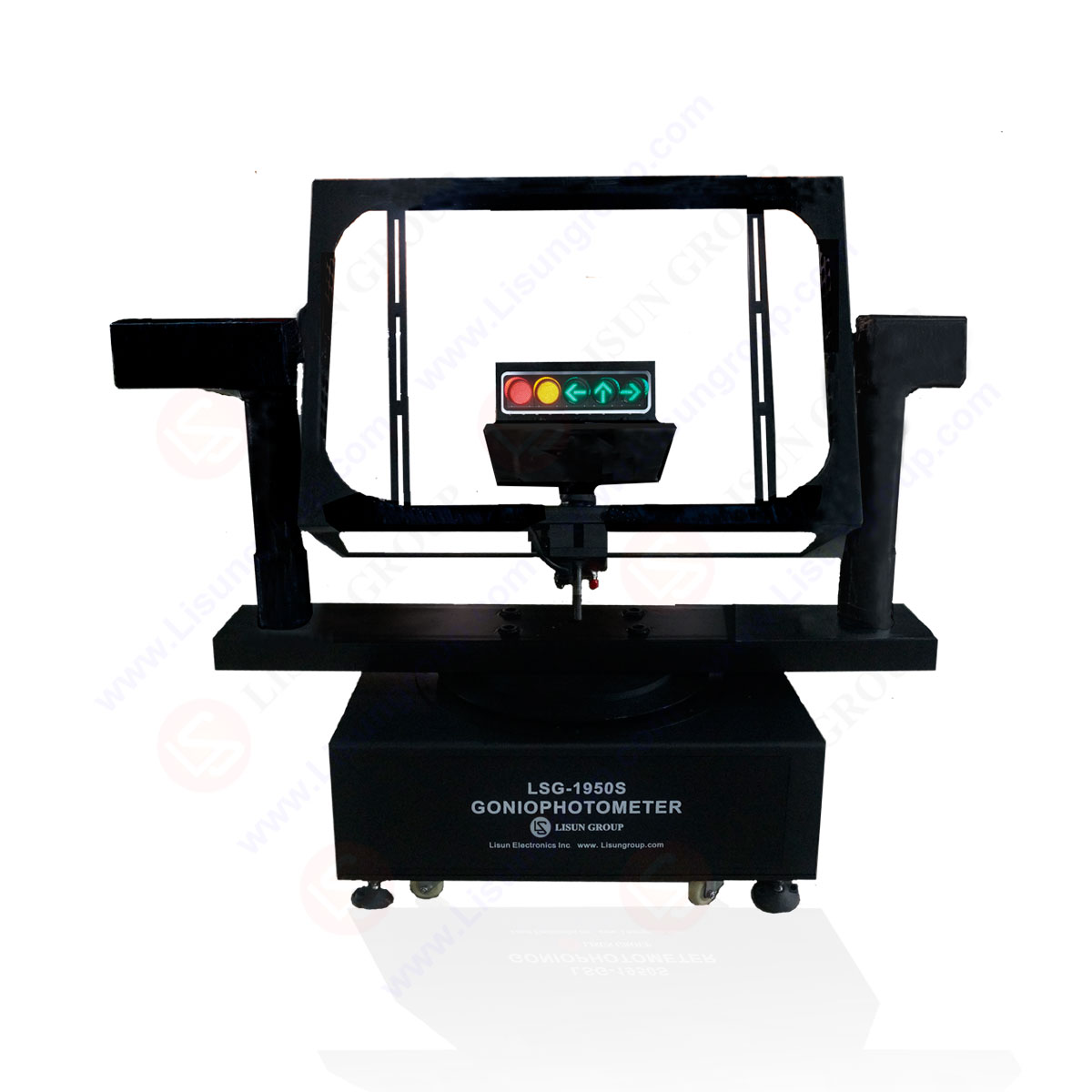
Goniophotometer for Traffic Signal Lamps
LSG-1950S
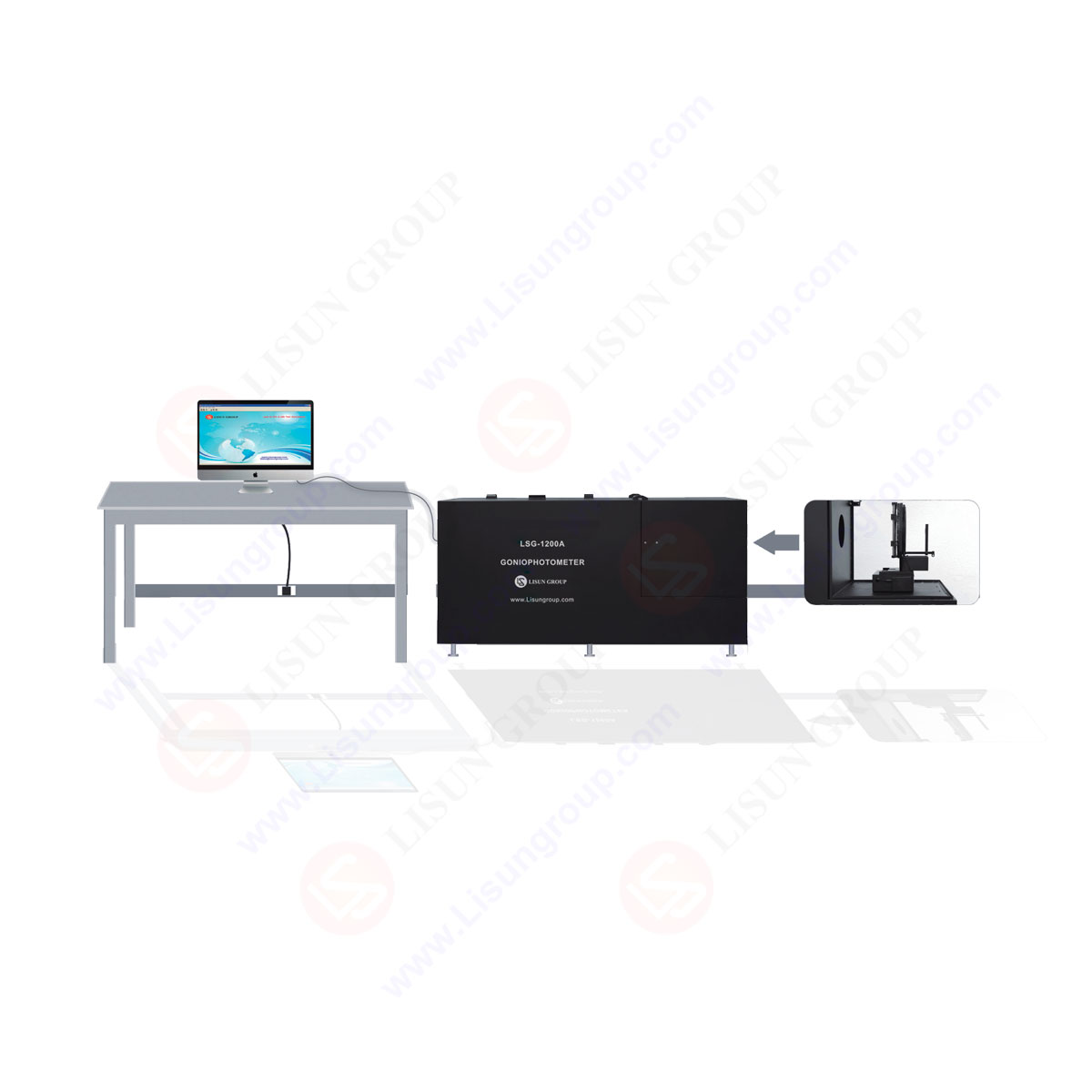
Compact Goniophotometer
LSG-1200A

Near Field Moving Detector Goniophotometer
LSG-1900B
 LEDs and Luminaire Test Solutions
 LM-79 and LM-80 Test Solutions
 LED Driver Test Solutions
 Household Appliances Test Solutions
 Mobile and Network Test Solutions
 Automotive Electronics Test Solutions
 Audio-Video and IT Test Solutions
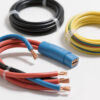 Cable and Wire Test Solutions
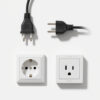 Plugs and Sockets Test Solutions
 Power Switch Test Solutions
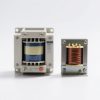 Transformer Test Solutions
 Electric Toys Test Solutions
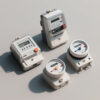 Energy Meter Test Solutions
 Motor-Operated Tool Test Solutions
Select an organization
to browse standards
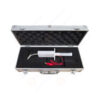
Product No: SMT-PB
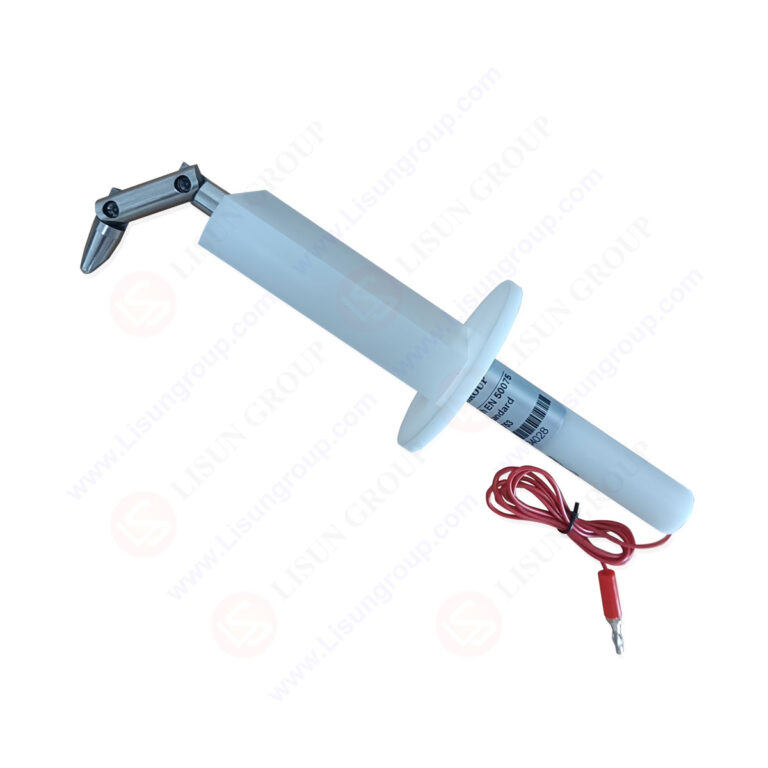
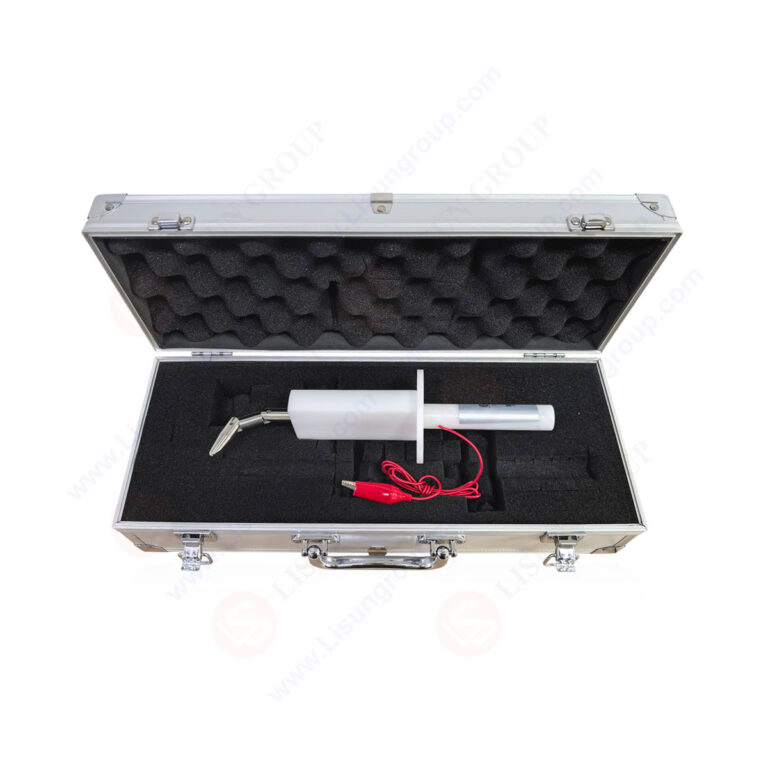
The Test Finger of IEC 62109-1 Figure D.1 is a specialized safety tool tailored for photovoltaic (PV) power conversion equipment—including PV inverters, combiner boxes, solar energy storage systems (ESS), and microinverters. It mimics the shape and flexibility of a human finger (via its articulated joint design) to navigate curved or narrow paths in PV equipment, testing if hazardous live parts (e.g., high-voltage DC terminals, exposed capacitors, or wiring) are accessible. Crafted from conductive stainless steel (for detecting live components) and paired with a heat-resistant insulated handle, it applies a controlled 10N thrust to simulate accidental light contact. Strictly compliant with IEC 62109-1 (the global standard for PV safety), it’s critical for manufacturers to prevent electric shock and meet global solar equipment market requirements.
Specifications:
Tool Type: Test Finger of IEC 62109-1 Figure D.1 (for PV power conversion equipment hazardous part testing)
Knurled Finger Diameter: 12 mm
Knurled Finger Length: 80 mm
Baffle Plate Diameter: 50 mm
Baffle Plate Length: 100 mm
Baffle thickness: 20 mm
Core Function: Navigates PV equipment gaps via flexible joint; detects accessible hazardous live parts; ensures compliance with IEC 62109-1
Test Procedures:
1. Inspect the test finger for damage (loose joint, bent tip, cracked insulation) and confirm conductivity with a test tool.
2. Power on the PV equipment under test (EUT, e.g., PV inverter) and set it to normal operating mode (e.g., grid-connected).
3. Hold the insulated handle, use the joint to guide the probe into EUT gaps (vents, terminal panel seams, or control slots).
4. Apply a steady 10N thrust to advance the probe—stop when resistance from the EUT’s enclosure or components is felt.
5. Check the connected live-part detection instrument for signals (indicating contact with hazardous parts).
6. Record results: Pass if no contact; Fail if live parts are accessible.
Applications:
1. Testing access to high-voltage DC terminals in grid-tied PV inverters (per IEC 62109-1:2021 Figure D.1) to prevent electric shock.
2. Quality control for residential microinverters during manufacturing, ensuring global PV safety compliance.
3. Post-production testing of solar charge controller control panels to meet regional solar equipment safety standards.
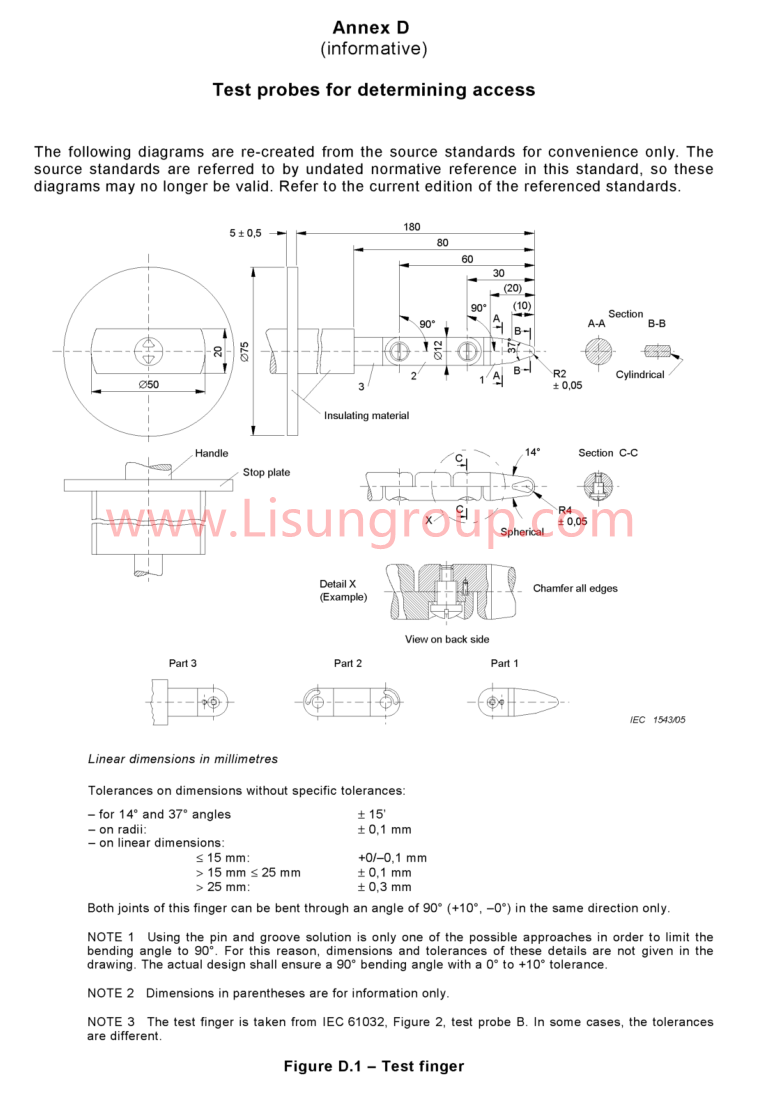
Test Finger of IEC 62109-1 Figure D.1
LISUN's Motor-Operated Tool | Power Tool Testing solutions strictly comply with a range of core...
LISUN's energy meter test solutions are designed to ensure the accuracy and reliability of...

 English
 中文简体
中文简体 English
 Русский
 Español
 Português
 Türkçe
 العربية
 Deutsch
 Polski
 Italiano
 Français
 한국어
한국어 ไทย
ไทย Tiếng Việt
 日本語
日本語