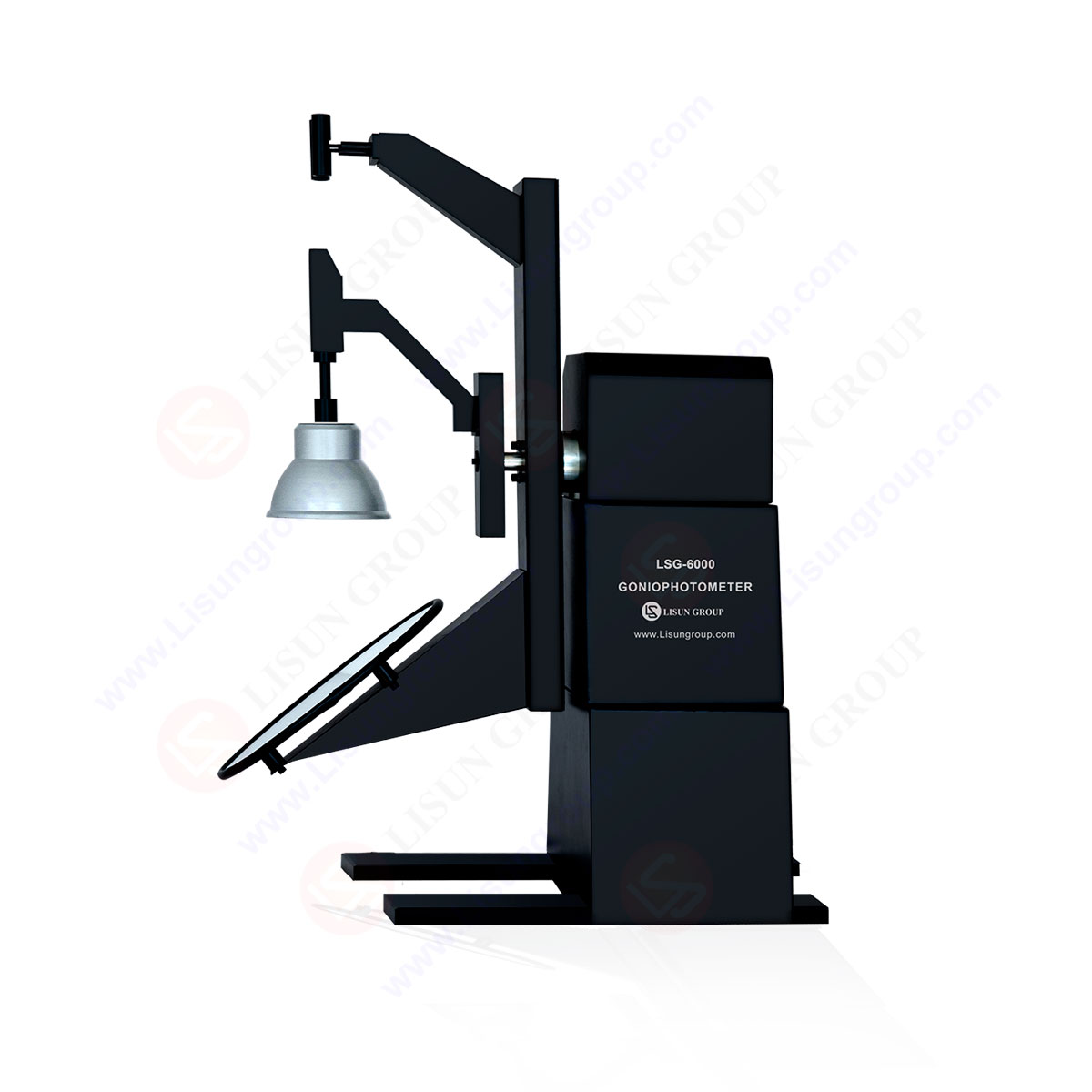
LM-79 Moving Detector Goniophotometer (Mirror Type C)
LSG-6000
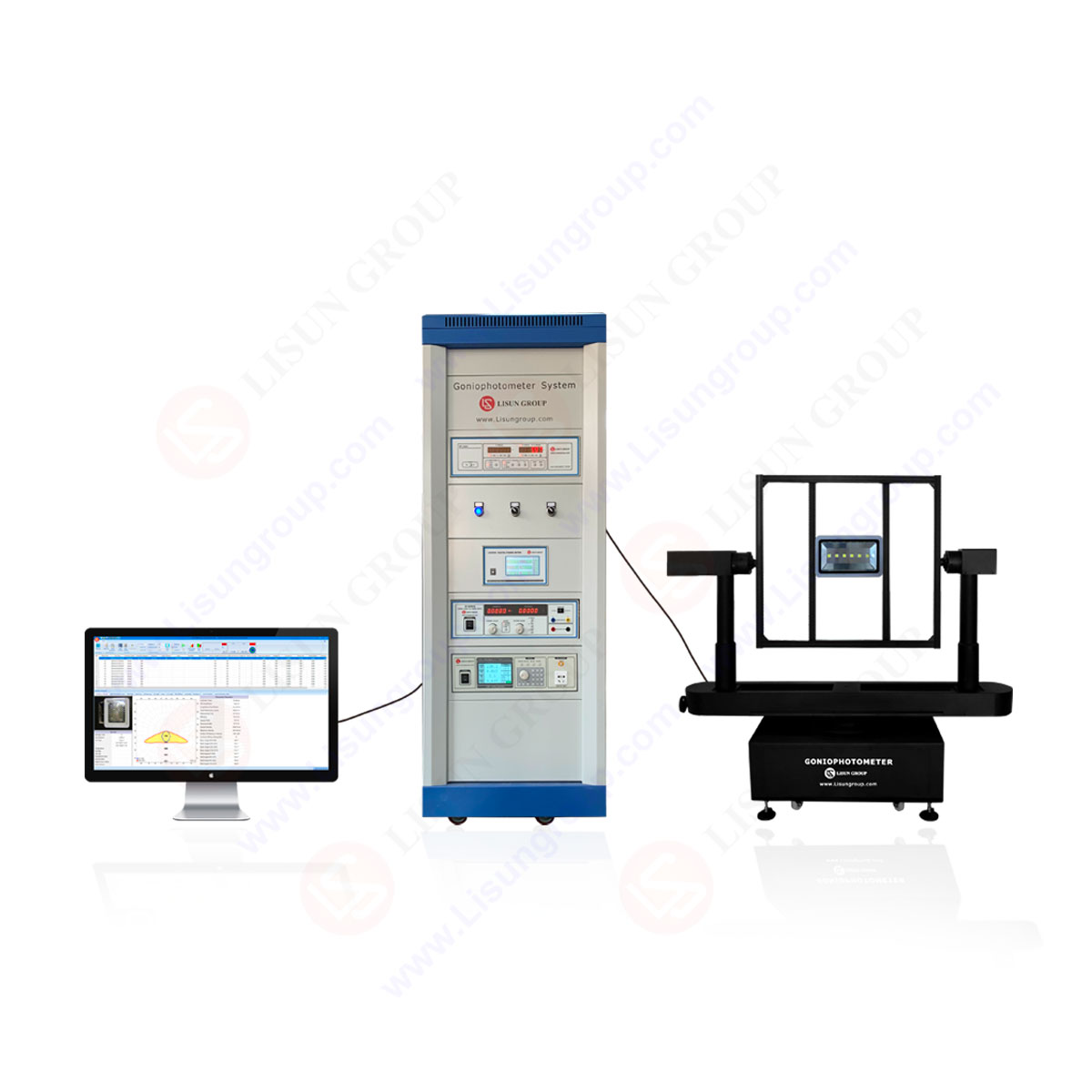
High Precision Rotation Luminaire Goniophotometer
LSG-1890B
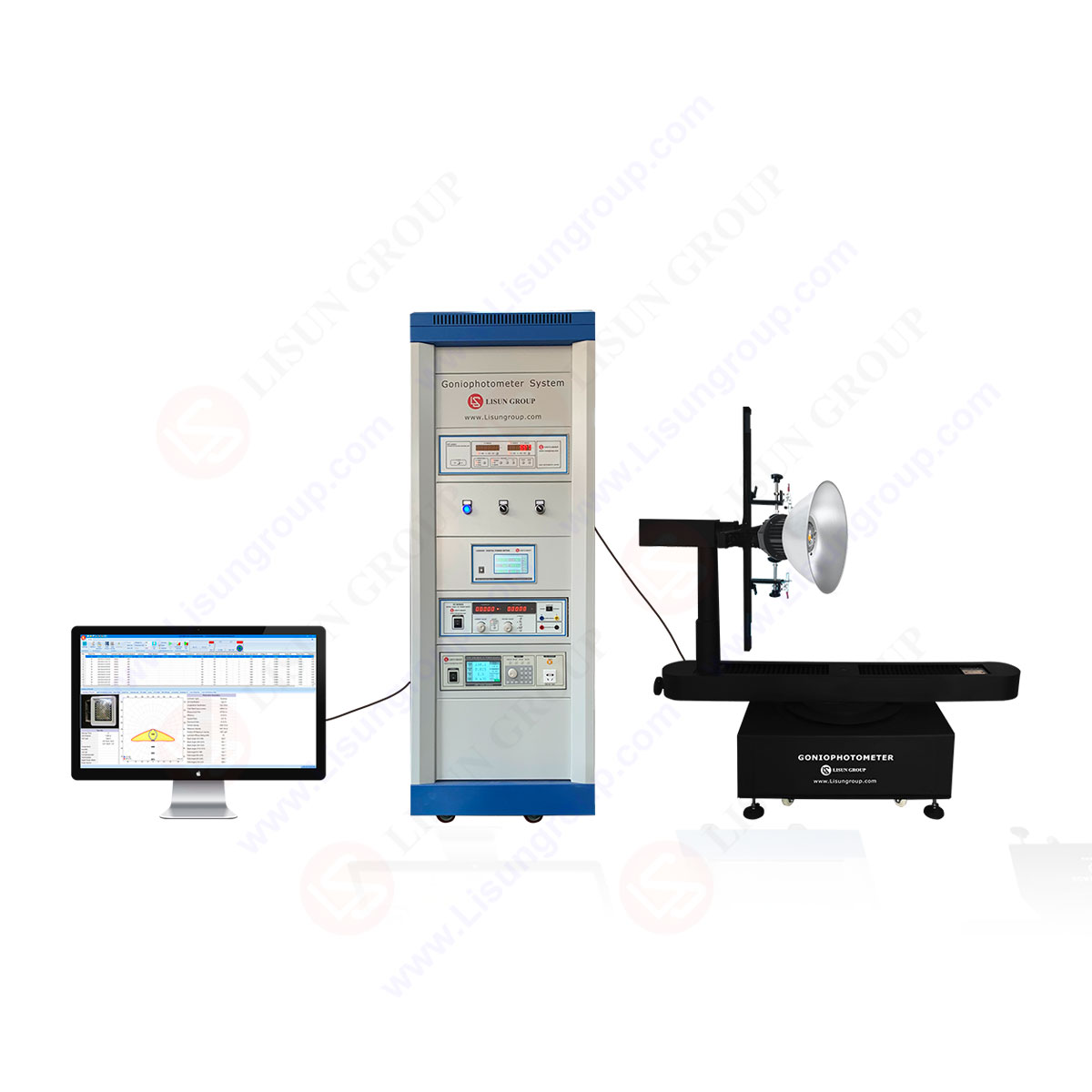
High Precision Rotation Luminaire Goniospectroradiometer
LSG-1890BCCD
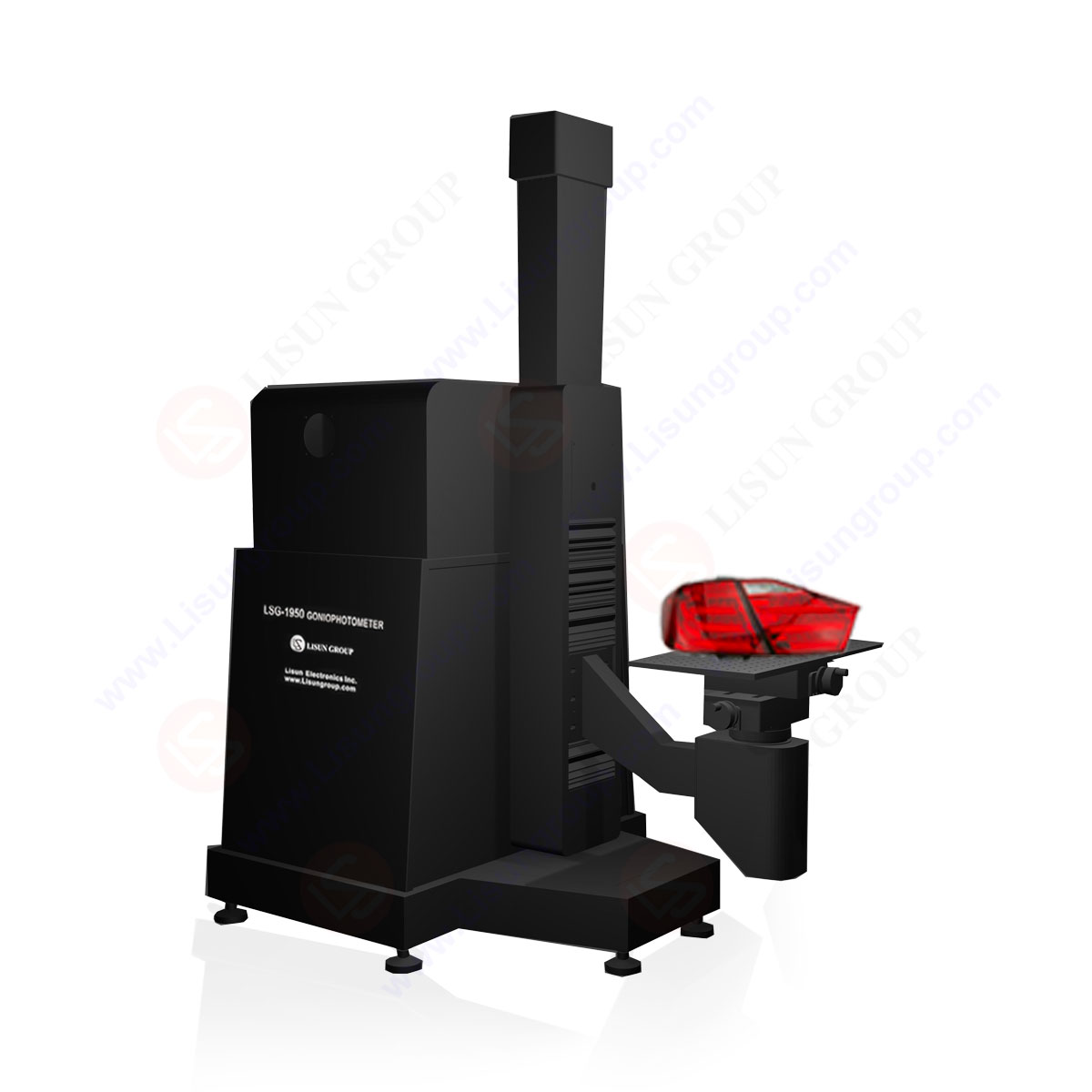
Goniophotometer for Automotive and Signal Lamps
LSG-1950
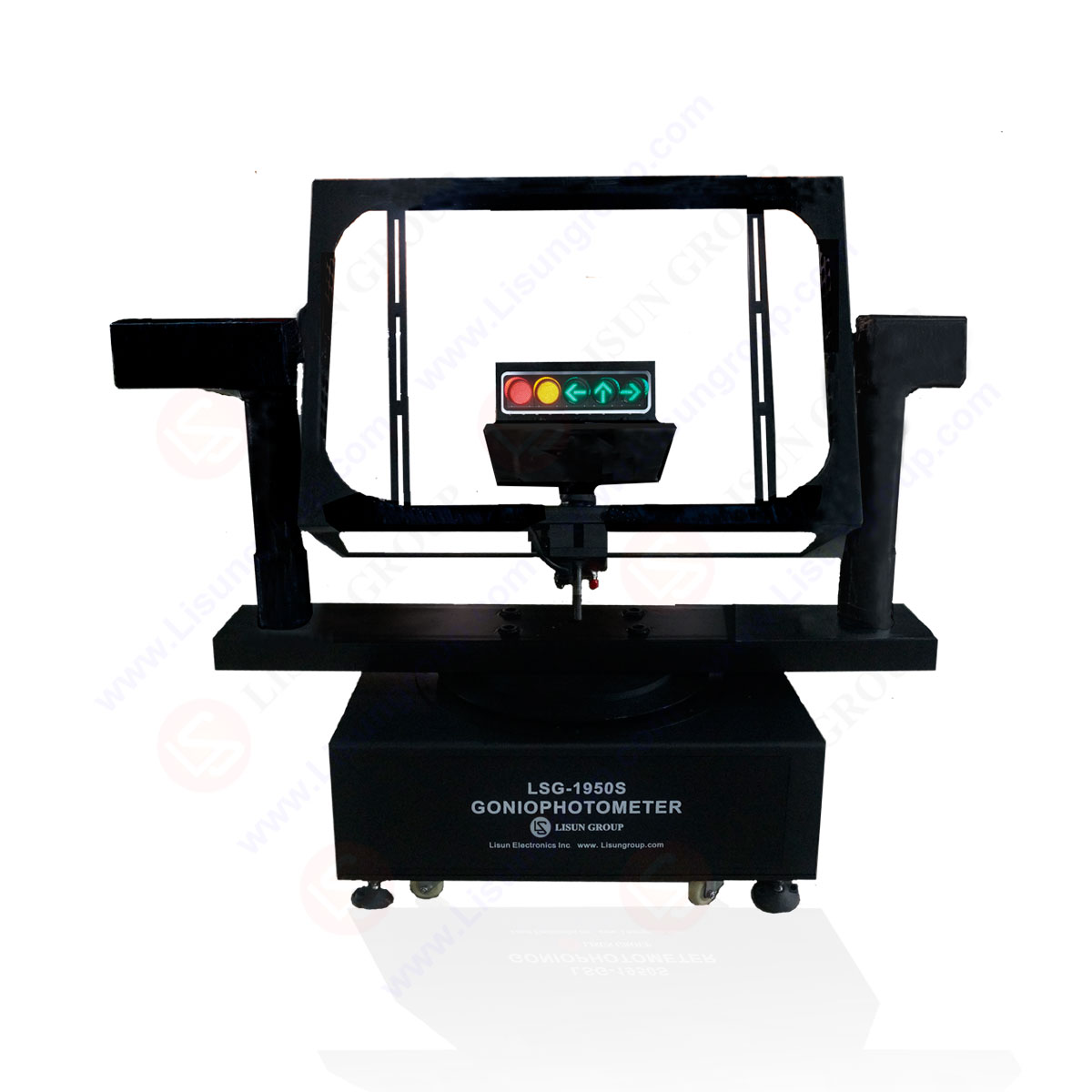
Goniophotometer for Traffic Signal Lamps
LSG-1950S
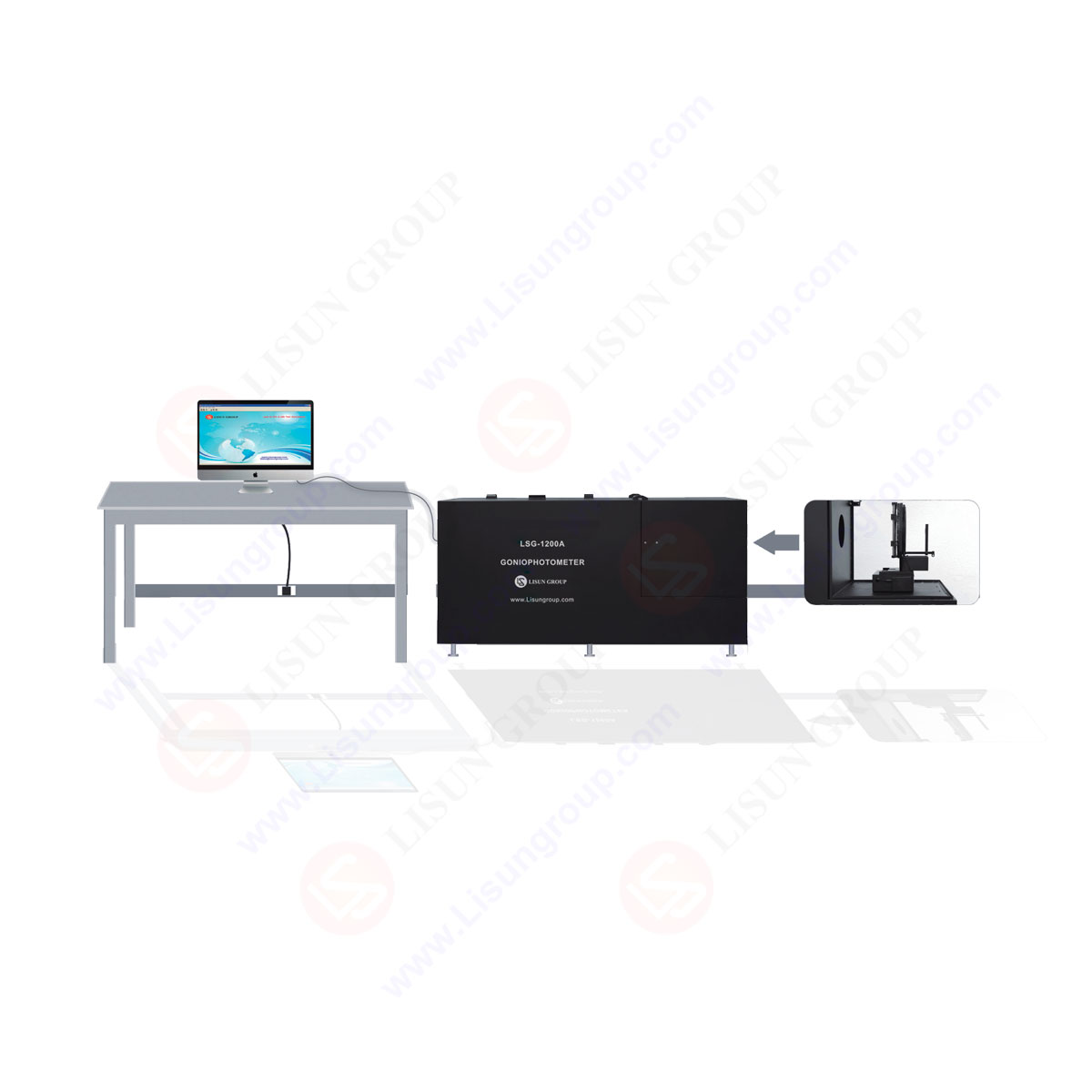
Compact Goniophotometer
LSG-1200A

Near Field Moving Detector Goniophotometer
LSG-1900B
 LEDs and Luminaire Test Solutions
 LM-79 and LM-80 Test Solutions
 LED Driver Test Solutions
 Household Appliances Test Solutions
 Mobile and Network Test Solutions
 Automotive Electronics Test Solutions
 Audio-Video and IT Test Solutions
 Cable and Wire Test Solutions
 Plugs and Sockets Test Solutions
 Power Switch Test Solutions
 Transformer Test Solutions
 Electric Toys Test Solutions
 Energy Meter Test Solutions
 Motor-Operated Tool Test Solutions
Select an organization
to browse standards
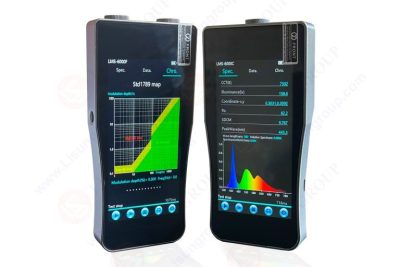
Abstract: The portable spectrometer is a core on-site testing instrument for lighting inspection, optical metrology and product quality control. It can quickly, accurately and non-destructively measure key photometric and colorimetric parameters of light sources and luminaires. Taking LISUN LMS-6000 handheld colorimeter as the research object, this paper systematically introduces its measurable pa...
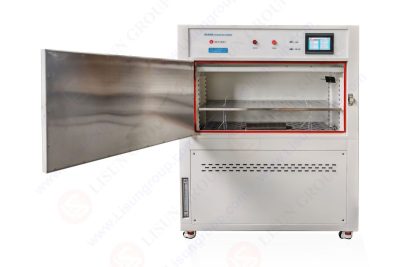
Abstract: The UV aging test chamber is a core accelerated testing device for material weathering resistance evaluation. It uses fluorescent UV lamps to simulate solar ultraviolet radiation and a condensation system to reproduce dew and rain. Combined with high temperature and humidity cycles, it rapidly recreates long-term outdoor aging damage in laboratory environments. Taking LISUN UV-263LS UV a...
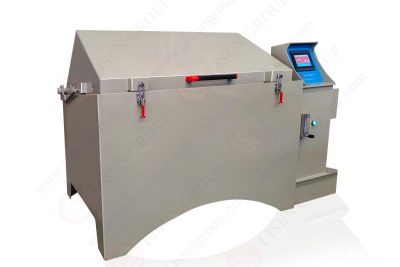
Abstract Sulfur dioxide (SO₂) serves as a dominant corrosive medium triggering deterioration and failure of metal materials, plating layers, coatings and complete equipment in industrial atmospheric environment. The sulfur dioxide test chamber can accurately regulate SO₂ concentration, temperature and other pivotal parameters to faithfully restore actual industrial sulfur corrosion scenarios, ...
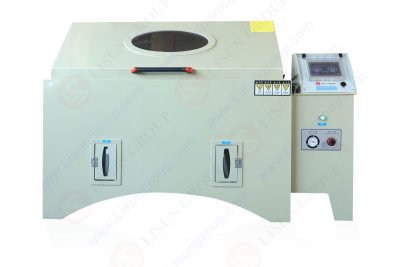
Abstract As core environmental simulation equipment for corrosion resistance detection of materials and products, Salt Spray Test Chamber can accurately simulate marine and industrial salt spray corrosion environments. It accelerates the assessment on anti-corrosion performance of metal coatings, surface films, electronic components and finished products, providing crucial data support for product...
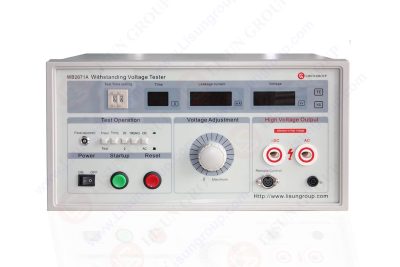
Abstract Insulation performance of electrical products is the core foundation to ensure power consumption safety and stable equipment operation. As a key technical method for high-voltage safety detection, AC/DC withstand voltage test is widely applied in quality inspection and compliance verification of household appliances, lighting products, industrial equipment, medical devices and other field...
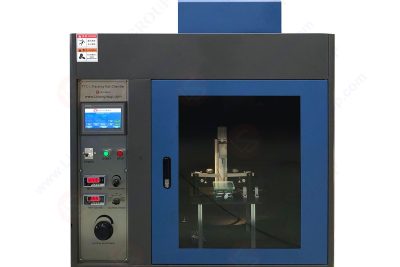
Abstract Against the backdrop of the rapid development of electronic and electrical appliances, electrical equipment and new energy industries, solid insulating materials are prone to surface leakage current induced by dust, moisture, salt fog and other pollutants under long-term humid and polluted service conditions, which will further cause tracking corrosion, insulation breakdown and even elect...
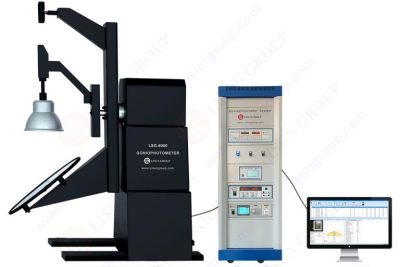
Abstract: In the fields of lighting engineering and LED light source R&D, luminous intensity distribution is a core indicator that characterizes the spatial light distribution performance of luminaires and determines lighting effects and energy‑efficiency levels. Accurate acquisition of 3D luminous intensity distribution curves is critical for optimizing luminaire structures, improving illum...
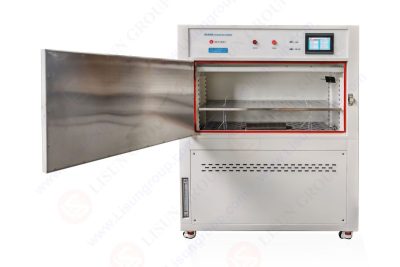
Abstract: Non-metallic materials such as coatings, plastics, rubbers and composite materials used outdoors are exposed to long-term solar ultraviolet radiation, temperature-humidity changes, dew and rain erosion, which easily cause aging failures including discoloration, chalking, cracking and strength degradation. The UV aging test chamber is core equipment for material weather resistance testin...
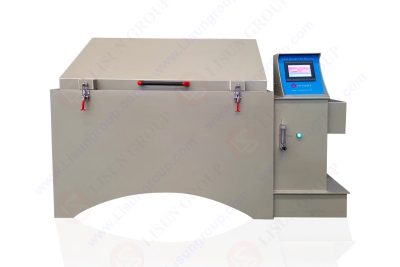
Abstract: In high‑sulfur corrosion environments such as industrial atmosphere, acid rain and chemical industrial parks, metal materials, plating layers, coatings and complete equipment are prone to sulfide corrosion, which seriously affects service life and operational safety. The sulfur dioxide test chamber is an inspection equipment specially developed for simulating industrial corrosive envir...

 English
 中文简体
中文简体 English
 Русский
 Español
 Português
 Türkçe
 العربية
 Deutsch
 Polski
 Italiano
 Français
 한국어
한국어 ไทย
ไทย Tiếng Việt
 日本語
日本語