LM-79 Moving Detector Goniophotometer (Mirror Type C)
LSG-6000
High Precision Rotation Luminaire Goniophotometer
LSG-1890B
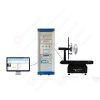
High Precision Rotation Luminaire Goniospectroradiometer
LSG-1890BCCD

Goniophotometer for Automotive and Signal Lamps
LSG-1950
Goniophotometer for Traffic Signal Lamps (Economical Model)
LSG-1950S
VAD Fire Alarm Visual Alert Device Goniophotometer
LSG-1930
Goniophotometer for Airfield Lighting
LSG-1940
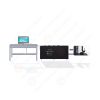
Compact Goniophotometer
LSG-1200A
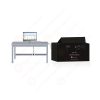
LED Goniophotometer
LSG-1100
Near Field Moving Detector Goniophotometer
LSG-1900B
 LEDs and Luminaire Test Solutions
 LM-79 and LM-80 Test Solutions
 LED Driver Test Solutions
 Household Appliances Test Solutions
 Mobile and Network Test Solutions
 Automotive Electronics Test Solutions
 Audio-Video and IT Test Solutions
 Cable and Wire Test Solutions
 Plugs and Sockets Test Solutions
 Power Switch Test Solutions
 Transformer Test Solutions
 Electric Toys Test Solutions
 Energy Meter Test Solutions
 Motor-Operated Tool Test Solutions
Select an organization
to browse standards
This paper explores the oscillating tube rain testing methodology for IPX3 and IPX4 waterproof protection ratings as defined by IEC 60529 standards. Oscillating tube rain testing represents a critical validation approach for ensuring water resistance in electronic enclosures, automotive components, and outdoor lighting equipment. The study examines the mechanical principles of oscillating tube systems, test procedures, and compliance requirements for manufacturers seeking IPX3/IPX4 certification. By analyzing the technical specifications of JL-XC series test chambers, this research provides comprehensive insights into achieving reliable waterproof protection through standardized testing protocols. The methodology ensures that products demonstrate adequate resistance to water spray from various angles, crucial for applications in harsh environmental conditions.
Water resistance has become a fundamental requirement for electronic devices and industrial equipment deployed in outdoor or moisture-prone environments. The increasing prevalence of smart city infrastructure, electric vehicles, and outdoor lighting systems has intensified the demand for reliable waterproof protection. The IP (Ingress Protection) rating system, established by the International Electrotechnical Commission through IEC 60529 standards, provides a standardized framework for classifying degrees of protection against solid objects and liquids.
Among the various waterproof protection levels, IPX3 and IPX4 ratings address water spray from different angles, making them particularly relevant for equipment exposed to rain and splashing water. IPX3 certification requires protection against water sprayed at angles up to 60 degrees from the vertical, while IPX4 extends this protection to 180 degrees, covering all directions. These ratings are essential for street lighting, automotive components, telecommunications equipment, and marine applications where water exposure is inevitable.
This paper aims to provide a comprehensive technical guide for oscillating tube rain testing systems used in IPX3/IPX4 certification processes. The primary objective is to elucidate the mechanical principles, testing procedures, and equipment requirements for achieving accurate and repeatable test results. Additionally, this study examines the engineering design considerations for test chambers and provides practical guidance for manufacturers implementing oscillating tube rain testing protocols. The ultimate goal is to facilitate compliance with IEC 60529 standards and ensure product reliability through rigorous oscillating tube rain testing methodologies.
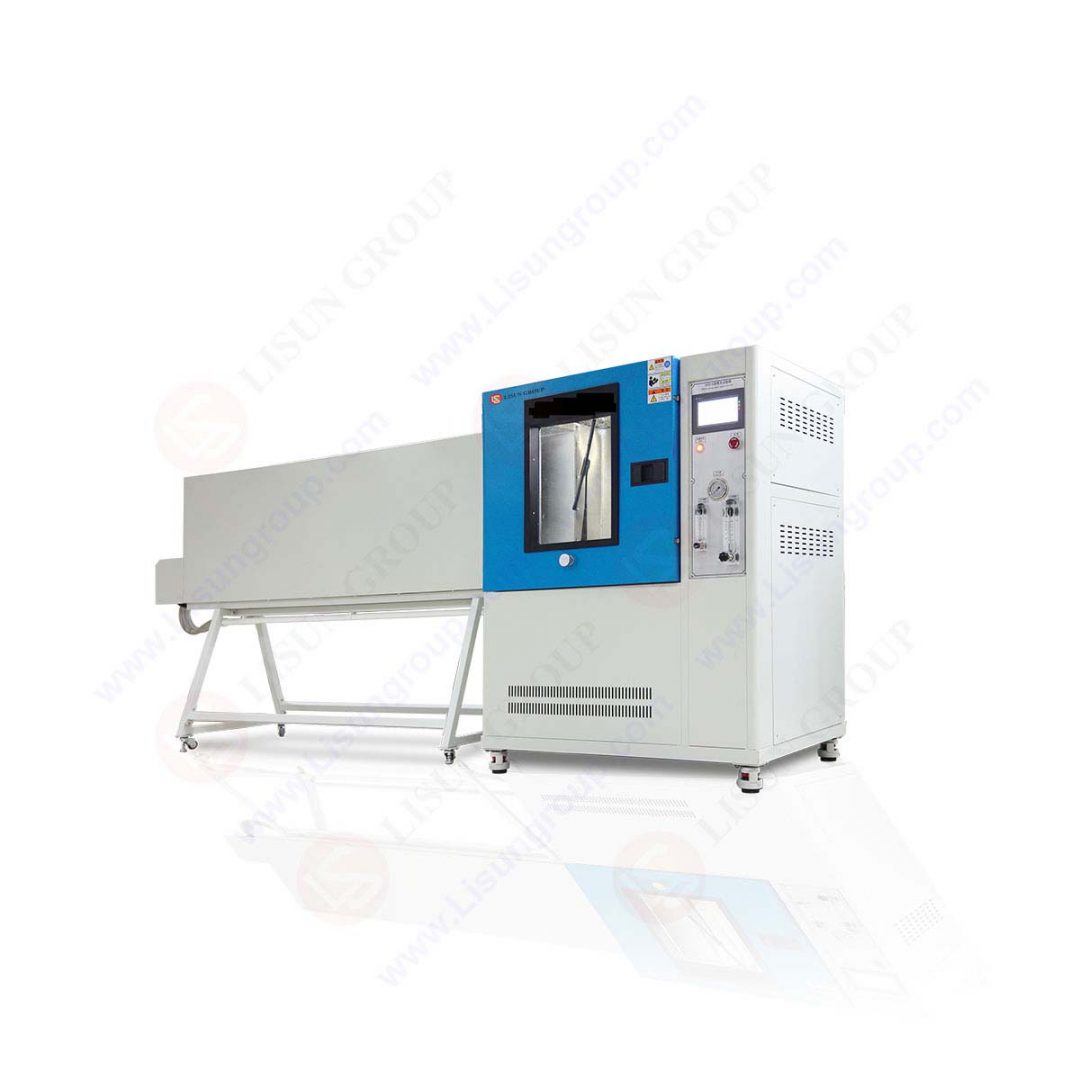
Waterproof Test Machine JL-3456C
The IEC 60529 standard, titled “Degrees of Protection Provided by Enclosures (IP Code),” was first published in 1989 and has undergone several amendments to maintain relevance with evolving technology. The current version, IEC 60529:1989 + AMD1:1999 + AMD2:2013 CSV, incorporates updates that address testing methodologies and clarification of protection levels. This standard has become the global benchmark for ingress protection certification, adopted by numerous national standards bodies including ANSI in the United States, BSI in the United Kingdom, and DIN in Germany.
The IP code system uses a two-digit designation where the first digit indicates protection against solid particles (0-6) and the second digit indicates protection against liquids (0-9). For oscillating tube rain testing applications, the focus is on the second digit, specifically ratings IPX3 and IPX4. The ‘X’ in the first position indicates that the enclosure has not been tested or specified for solid particle protection, or that solid particle protection is not relevant to the application.
According to IEC 60529, IPX3 requires that water sprayed from a nozzle at an angle of up to 60 degrees from the vertical shall not have harmful effects. The test is conducted using an oscillating tube with spray nozzles positioned to deliver water at a flow rate of 10 L/min ±5% for 10 minutes per position. For IPX4 certification, the test requires protection against water sprayed from all directions (up to 180 degrees from the vertical) with the same flow rate and duration specifications.
The oscillating tube system must achieve a complete 360-degree sweep in approximately 12 seconds for IPX3 testing, ensuring comprehensive coverage of the test specimen from the specified angles. The water temperature should be maintained between 15°C and 25°C, and the nozzle must deliver water droplets with an effective diameter of 0.4 mm to 1.0 mm. These parameters ensure consistency across testing laboratories and reproducible results for certification purposes.
The oscillating tube rain testing apparatus consists of a semicircular tube equipped with multiple spray nozzles distributed along its length. The tube rotates around a central axis where the test specimen is positioned, simulating rain exposure from various angles. The mechanical design incorporates precision bearings and drive systems to ensure smooth, continuous oscillation without vibration or irregular motion that could affect test accuracy. The radius of the oscillating tube typically ranges from 200 mm to 2000 mm depending on the size of the test specimen and laboratory requirements.
The number and spacing of spray nozzles are critical design parameters that determine water distribution uniformity. According to IEC 60529, the oscillating tube must have spray holes with a diameter of 0.4 mm, with spacing between holes not exceeding 50 mm. This configuration ensures that water spray covers the entire surface of the test specimen evenly during the oscillation cycle. The tube is typically constructed from corrosion-resistant materials such as stainless steel to withstand continuous exposure to water and maintain dimensional accuracy over time.
The IPX3 testing procedure begins with positioning the test specimen on the rotating platform at the center of the oscillating tube. The specimen must be oriented as in normal use, with all access doors, panels, and openings in their intended positions. The oscillating tube then performs a sweep of ±60 degrees from the vertical (total 120-degree sweep) while spraying water at a flow rate of 10 L/min ±5%. The test duration is 10 minutes per position, typically requiring multiple position changes to ensure complete coverage.
For IPX4 testing, the procedure is similar except the oscillating tube performs a full 360-degree sweep to expose the specimen to water spray from all directions. The water flow rate and duration remain identical to IPX3 testing. After the test is completed, the specimen is examined for water ingress using visual inspection and, where applicable, electrical continuity testing. The test specimen is considered compliant if no water has penetrated the enclosure or if water penetration has not caused harmful effects as defined by the applicable product standard.
Table 1: Comparison of IPX3 and IPX4 Testing Parameters
| Parameter | IPX3 Requirement | IPX4 Requirement | Standard Reference |
| Spray Angle | ±60° from vertical | 180° from vertical | IEC 60529 |
| Water Flow Rate | 10 L/min ±5% | 10 L/min ±5% | IEC 60529 |
| Test Duration | 10 min/position | 10 min/position | IEC 60529 |
| Water Temperature | 15°C – 25°C | 15°C – 25°C | IEC 60529 |
| Nozzle Diameter | 0.4 mm | 0.4 mm | IEC 60529 |
Following the oscillating tube rain testing procedure, systematic data collection and analysis are essential for determining compliance. The primary evaluation criteria involve visual inspection of the test specimen for signs of water ingress, including water accumulation on internal components, moisture on printed circuit boards, or water penetration through seals and gaskets. For electrical equipment, continuity testing and insulation resistance measurements should be performed before and after testing to identify any degradation in electrical performance.
Quantitative data collection includes water consumption measurements, water temperature monitoring, and documentation of oscillation parameters such as sweep angle and cycle duration. Environmental conditions including ambient temperature and relative humidity should also be recorded to establish testing context. Photographic documentation of the test specimen before, during, and after testing provides visual evidence of the test conditions and any observed effects. This comprehensive data collection approach ensures traceability and facilitates verification of test results by certification bodies and regulatory authorities.
Regular calibration of oscillating tube rain testing equipment is essential for maintaining test accuracy and reproducibility. Key calibration parameters include water flow rate measurement, oscillation angle verification, and nozzle diameter inspection. Water flow meters should be calibrated annually or according to manufacturer recommendations to ensure compliance with the ±5% tolerance specified in IEC 60529. Oscillation angle calibration involves verifying that the tube achieves the specified sweep angles with precision better than ±2 degrees to maintain test repeatability.
Maintenance procedures include regular inspection of spray nozzles for clogging or wear, lubrication of mechanical bearings, and verification of water filtration systems. Nozzles should be cleaned or replaced if spray patterns become irregular or if water droplet size deviates from the specified range of 0.4 mm to 1.0 mm. The water supply system should include filtration to remove particles larger than 0.1 mm to prevent nozzle blockage and ensure consistent spray characteristics. Proper documentation of calibration and maintenance activities is essential for quality assurance and compliance with laboratory accreditation requirements.
Materials used in oscillating tube rain testing equipment must exhibit excellent corrosion resistance and durability to withstand continuous exposure to water and testing environments. Stainless steel grades such as 304 and 316 are commonly specified for the oscillating tube construction due to their superior corrosion resistance and mechanical strength. These materials maintain dimensional stability over extended use and resist degradation from water treatment chemicals or contaminants that may be present in the water supply.
Sealing components and gaskets should be manufactured from high-quality elastomers such as EPDM or silicone rubber, which provide excellent water resistance and maintain elasticity across the operating temperature range. Electrical components within the test chamber must be rated for wet environments, typically requiring IP55 or higher protection levels. All fasteners and hardware should be corrosion-resistant, with options including stainless steel, zinc-plated steel, or non-metallic alternatives depending on the specific application and environmental conditions.
The structural design of oscillating tube rain testing chambers must accommodate the test specimen size while maintaining precise control over test parameters. The chamber enclosure should be constructed from corrosion-resistant materials and include adequate drainage systems to remove water efficiently. The design must prevent water accumulation that could interfere with test operations or create safety hazards. Lighting within the chamber should be waterproof and provide sufficient illumination for visual inspection during and after testing.
The oscillating tube mounting system must provide stable support while allowing smooth, controlled rotation. Precision bearings and drive systems are essential to achieve the required oscillation accuracy and repeatability. The test specimen platform should be adjustable to accommodate various product sizes and shapes while maintaining proper alignment with the oscillating tube centerline. Safety considerations include electrical protection against water ingress, emergency stop mechanisms, and guarding to prevent operator exposure to moving parts.
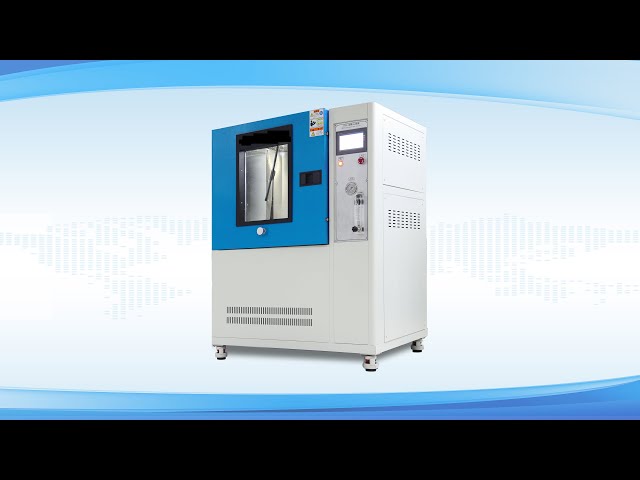
The JL-XC series Waterproof Test Chambers manufactured by LISUN represent a comprehensive solution for IPX3/IPX4 oscillating tube rain testing applications. This series includes models designed for various test specimen sizes and laboratory requirements, from compact benchtop units for small components to large walk-in chambers for complete equipment assemblies. The modular design allows for configuration flexibility, enabling laboratories to select the appropriate chamber size and features based on their specific testing needs.
The JL-XC series integrates advanced control systems for precise regulation of water flow, oscillation parameters, and test timing. Touchscreen interfaces provide intuitive operation and programming of test profiles, while data logging capabilities capture test parameters for documentation and traceability. The chambers are designed for compliance with international standards including IEC 60529, UL 1703, and various automotive industry specifications, ensuring versatility across different certification requirements.
Table 2: Technical Specifications of JL-XC Series Oscillating Tube Rain Test Chambers
| Parameter | Specification | Unit | Standard Compliance |
| IP Ratings Supported | IPX1, IPX2, IPX3, IPX4 | Rating | IEC 60529 |
| Water Flow Rate | 10 | L/min ±5% | IEC 60529 |
| Oscillation Angle | 0-180 | Degrees | IEC 60529 |
| Oscillation Speed | 30-60 | seconds/cycle | IEC 60529 |
| Water Temperature | 15-25 | °C | IEC 60529 |
| Nozzle Diameter | 0.4 | mm | IEC 60529 |
| Power Supply | 220V/380V | VAC | Customizable |
| Chamber Size | Custom | Optional | LISUN |
Oscillating tube rain testing equipment finds extensive application across multiple industries where water resistance is a critical product requirement. The automotive industry utilizes IPX3/IPX4 testing for vehicle exterior lighting systems, electronic control units, and sensor modules exposed to rain and road spray. Aerospace manufacturers employ these tests for aircraft exterior components, avionics housings, and equipment that may encounter rain during ground operations or flight through precipitation.
Consumer electronics manufacturers use oscillating tube rain testing for portable devices, outdoor cameras, and wearable electronics that may be exposed to rain or splashing water. The lighting industry relies on IPX3/IPX4 certification for street lighting fixtures, landscape lighting, and architectural lighting installations that operate in outdoor environments. Telecommunications equipment including base station cabinets, antenna housings, and networking equipment must demonstrate resistance to water ingress to ensure reliable operation in all weather conditions.
When selecting oscillating tube rain testing equipment, several critical factors must be considered to ensure the system meets specific testing requirements. Chamber size is a primary consideration, as the internal dimensions must accommodate the largest test specimen while maintaining adequate clearance around the oscillating tube. Test throughput requirements should be evaluated, including the number of tests performed daily and the need for multiple specimen testing capability. Automation features such as programmable test profiles, automatic specimen positioning, and integrated data logging can significantly improve testing efficiency and reduce operator intervention.
Compliance versatility is another important factor, as the selected equipment should support multiple IP ratings (IPX1 through IPX4) and potentially other waterproof testing methods such as immersion testing for IPX7. The control system should provide precise parameter control and monitoring, including real-time display of water flow rate, oscillation angle, and test duration. User interface considerations include ease of operation, programming flexibility, and data export capabilities for documentation and reporting purposes.
Implementing oscillating tube rain testing requires careful planning of laboratory infrastructure to support equipment operation and maintenance. Water supply systems must provide adequate pressure and flow rate to meet the testing requirements, typically requiring a minimum pressure of 100 kPa at the nozzle inlet. Water filtration systems should be installed to remove particles larger than 0.1 mm, preventing nozzle clogging and ensuring consistent spray characteristics. Drainage systems must be designed to handle the water flow rate without accumulation or flooding within the test area.
Safety considerations include electrical protection for equipment operating in wet environments, with ground fault protection and residual current devices essential for operator safety. Emergency stop systems should be positioned for easy access, and safety interlocks should prevent operation when chamber doors are open. Training requirements for operators include understanding of IEC 60529 testing procedures, equipment operation, safety protocols, and data collection methods. Regular maintenance schedules should be established to ensure consistent performance and extend equipment lifespan.
The evolution of waterproof testing technology continues to advance with increasing automation and integration of digital technologies. Modern oscillating tube rain testing systems are incorporating smart features such as IoT connectivity, remote monitoring, and predictive maintenance capabilities. Artificial intelligence and machine learning algorithms are being applied to test data analysis to identify patterns and predict product performance with greater accuracy. These advancements enable more efficient testing processes and deeper insights into product reliability under environmental stress conditions.
Standardization activities continue to refine testing methodologies and address emerging technologies such as flexible electronics and wearable devices. There is growing interest in correlating accelerated environmental testing with real-world performance data, enabling more accurate prediction of product service life. Energy efficiency considerations are driving the development of water recirculation systems and environmentally conscious testing practices that reduce water consumption without compromising test accuracy or compliance with international standards.
Oscillating tube rain testing represents an essential methodology for verifying IPX3 and IPX4 waterproof protection ratings according to IEC 60529 standards. This paper has provided a comprehensive technical analysis of the mechanical principles, testing procedures, and equipment requirements for achieving accurate and reproducible test results. The JL-XC series test chambers exemplify modern solutions that integrate precise control systems, corrosion-resistant materials, and user-friendly interfaces to support manufacturers in achieving compliance with international standards.
As product requirements for water resistance continue to expand across industries, the importance of reliable oscillating tube rain testing equipment and standardized testing methodologies becomes increasingly critical. By understanding the technical principles outlined in this study and implementing rigorous testing protocols, manufacturers can ensure their products meet the demanding requirements of outdoor and moisture-prone applications. Continued advancement in testing technology and standardization will further enhance the reliability and efficiency of waterproof protection certification processes.
Tags:JL-XCYour email address will not be published. Required fields are marked *

 English
 中文简体
中文简体 English
 Русский
 Español
 Português
 Türkçe
 العربية
 Deutsch
 Polski
 Italiano
 Français
 한국어
한국어 ไทย
ไทย Tiếng Việt
 日本語
日本語