LM-79 Moving Detector Goniophotometer (Mirror Type C)
LSG-6000
High Precision Rotation Luminaire Goniophotometer
LSG-1890B
High Precision Rotation Luminaire Goniospectroradiometer
LSG-1890BCCD

Goniophotometer for Automotive and Signal Lamps
LSG-1950
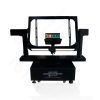
Goniophotometer for Traffic Signal Lamps (Economical Model)
LSG-1950S
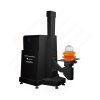
Goniophotometer for Airfield Lighting
LSG-1940
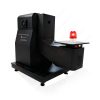
VAD Fire Alarm Visual Alert Device Goniophotometer
LSG-1930
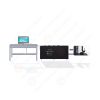
Compact Goniophotometer
LSG-1200A
LED Goniophotometer
LSG-1100
Near Field Moving Detector Goniophotometer
LSG-1900B
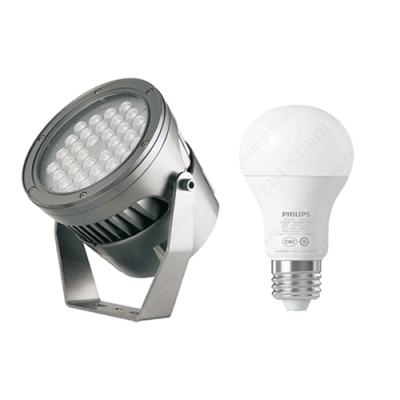 LEDs and Luminaire Test Solutions
 LM-79 and LM-80 Test Solutions
 LED Driver Test Solutions
 Household Appliances Test Solutions
 Mobile and Network Test Solutions
 Automotive Electronics Test Solutions
 Audio-Video and IT Test Solutions
 Cable and Wire Test Solutions
 Plugs and Sockets Test Solutions
 Power Switch Test Solutions
 Transformer Test Solutions
 Electric Toys Test Solutions
 Energy Meter Test Solutions
 Motor-Operated Tool Test Solutions
Select an organization
to browse standards
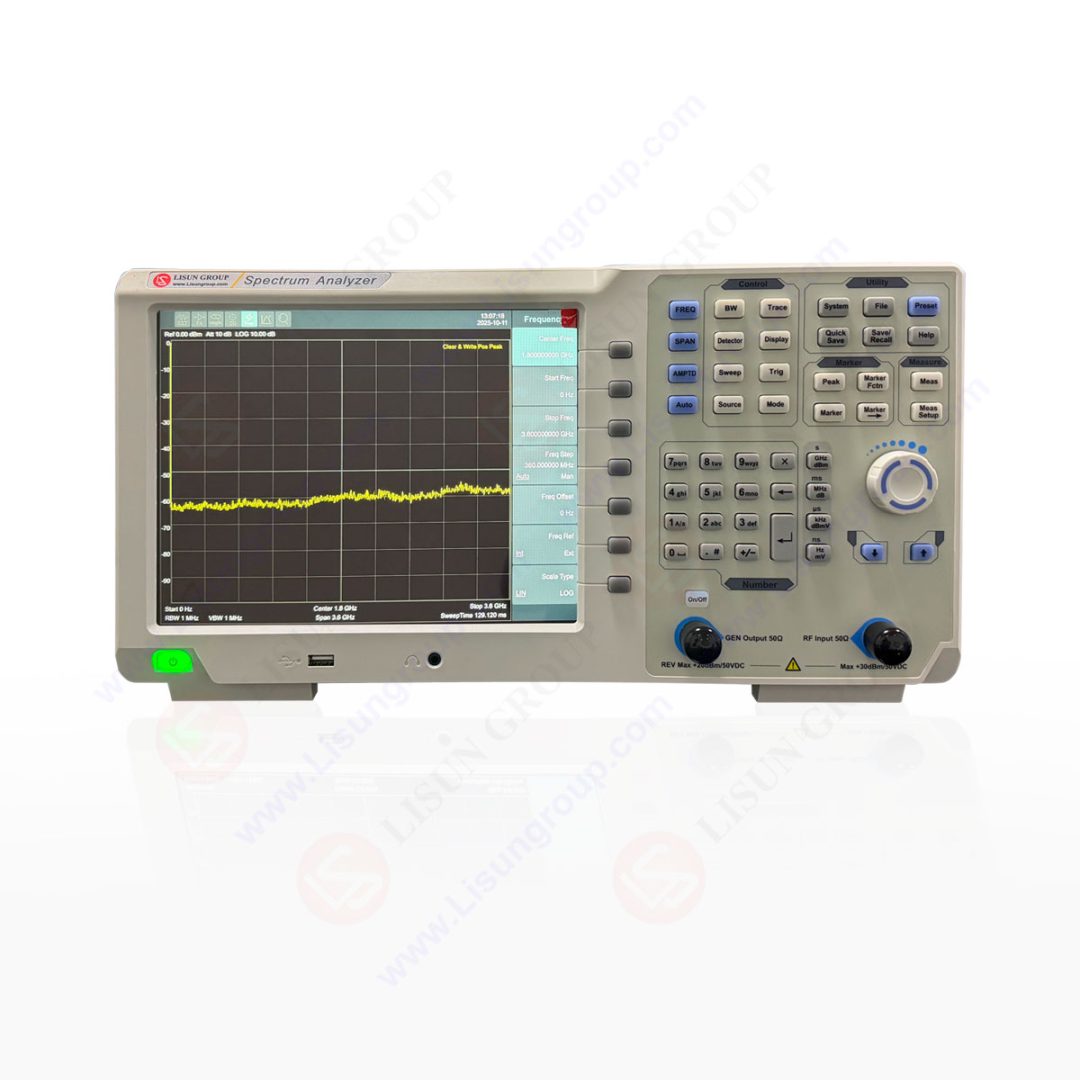
What is spectrum analyzer and its significance in modern RF signal analysis and electronic measurement applications? The spectrum analyzer measures the magnitude of an input signal versus frequency within the full frequency range of the instrument, providing critical insights into signal characteristics and performance. This comprehensive technical paper explores the fundamental principles, key technical specifications, and engineering applications of spectrum analyzers, with specific focus on the SPA-3P6G model’s capabilities in frequency domain analysis. The research methodology involves systematic analysis of technical parameters, including frequency range from 9kHz to 3.6GHz, resolution capabilities down to 1Hz, and reference frequency accuracy essential for precision measurement. This study demonstrates how advanced spectrum analyzer technology enables engineers to conduct thorough signal analysis, interference detection, and frequency monitoring across various industrial applications. The findings highlight the importance of proper equipment selection, understanding of technical specifications, and implementation of best practices for achieving accurate and reliable measurement results in electronic testing environments.
Rapid advancement in wireless communication technology and electronic systems has created an increasing demand for sophisticated RF measurement instruments capable of accurately characterizing signal behavior across wide frequency ranges. Spectrum analyzers have emerged as essential tools for engineers and researchers working with radio frequency signals, providing critical capabilities for signal monitoring, interference analysis, and performance optimization in telecommunications, aerospace, defense, and consumer electronics industries. The fundamental principle of spectrum analyzer operation involves analyzing input signals across the frequency domain to display signal magnitude versus frequency, enabling detailed examination of spectral characteristics that cannot be observed through time-domain measurement techniques alone. Modern spectrum analyzers incorporate advanced digital signal processing capabilities, high-resolution display systems, and precision frequency references that enable detection of subtle signal variations and precise measurement of signal parameters across frequency ranges from DC to microwave frequencies.
The evolution of spectrum analyzer technology has been driven by increasing complexity of wireless communication standards, broader deployment of RF-enabled devices, and growing requirements for electromagnetic compatibility compliance testing. Contemporary spectrum analyzers offer enhanced measurement capabilities including real-time spectrum analysis, modulation analysis, and advanced triggering functions that support comprehensive signal characterization in dynamic signal environments. The integration of digital technologies has significantly improved measurement accuracy, sweep speed, and display capabilities while reducing instrument size and cost, making advanced spectrum analyzer capabilities accessible to a broader range of applications and user groups.
This technical paper aims to provide comprehensive guidance on spectrum analyzer principles, technical specifications, and practical applications, with particular emphasis on the SPA-3P6G model’s capabilities and performance characteristics. The primary objective is to equip engineers and technical professionals with the knowledge necessary to effectively select, utilize, and maintain spectrum analyzer equipment for RF testing applications. Key goals include detailed examination of spectrum analyzer operating principles, analysis of critical technical specifications and their impact on measurement accuracy, and practical guidance on implementing spectrum analyzer testing in various engineering scenarios.
The research addresses specific technical considerations including frequency range coverage, resolution bandwidth selection, reference frequency stability, and measurement dynamic range, providing practical insights for optimizing test setup configuration and interpreting measurement results. By understanding the fundamental capabilities and limitations of spectrum analyzer technology, engineers can make informed decisions regarding equipment selection, test methodology design, and result interpretation, ultimately improving the quality and reliability of RF measurement data in product development, manufacturing, and compliance testing applications.
The standardization of spectrum analyzer performance specifications and measurement methodologies has evolved through contributions from international standards organizations including the International Electrotechnical Commission (IEC), International Special Committee on Radio Interference (CISPR), and various national standards bodies. Early standardization efforts focused on establishing fundamental performance parameters and measurement uncertainty characterization methods for spectrum analyzer equipment used in electromagnetic interference testing and RF measurement applications. The development of standards such as IEC 61000-4-7 for harmonic and interharmonic measurements and CISPR 16-1-1 for specification of radio disturbance and immunity measuring apparatus provided foundational frameworks for spectrum analyzer performance requirements and measurement methodology.
The emergence of digital modulation standards and advanced wireless communication protocols has necessitated ongoing updates and expansions of spectrum analyzer standards to address new measurement challenges including vector signal analysis, error vector magnitude measurement, and modulation accuracy assessment. Current standards development activities continue to address emerging requirements for real-time spectrum analysis, wide instantaneous bandwidth capabilities, and advanced digital signal processing functions required for comprehensive characterization of modern communication signals.
Modern spectrum analyzer standards define critical performance requirements including frequency range coverage, frequency accuracy, resolution bandwidth capabilities, display linearity, and measurement uncertainty specifications. Key technical parameters specified include frequency reference stability, typically expressed as aging rate and temperature stability characteristics; frequency span accuracy, defined as ±[span/(swept points-1)] for sweep-based analyzers; and amplitude measurement accuracy, specified over the instrument’s dynamic range with contributions from factors including mixer conversion loss, IF gain variations, and detector linearity. Standards also establish requirements for spurious response suppression, phase noise characteristics, and input protection specifications that ensure reliable operation across diverse signal conditions and input power levels.
For compliance testing applications, standards specify detailed measurement methodologies including detector types (peak, quasi-peak, average), resolution bandwidth selection criteria, and measurement time requirements for different signal types and regulatory limits. These specifications ensure consistent and repeatable measurement results across different instruments and testing environments, providing confidence in regulatory compliance decisions and product certification processes. Understanding these standard requirements is essential for proper instrument selection and configuration for specific measurement applications.
Spectrum analyzers operate based on the fundamental principle of frequency-domain signal analysis, converting time-domain input signals into frequency-domain representations that display signal magnitude as a function of frequency. The basic architecture consists of an input attenuator, mixer, local oscillator, intermediate frequency (IF) amplifier, detector, and display system. The input signal is mixed with a tunable local oscillator signal to translate the frequency of interest to a fixed IF frequency where filtering and amplification are performed before detection and display. This heterodyne architecture enables wide frequency coverage while maintaining consistent measurement characteristics across the entire frequency range.
Modern digital spectrum analyzers incorporate advanced digital IF processing, direct digitization, and sophisticated signal processing algorithms that enhance measurement accuracy, speed, and functionality compared to traditional analog implementations. Key technical parameters including frequency range, resolution bandwidth, display average noise level (DANL), and dynamic range determine the instrument’s capability to detect and accurately measure signals of varying amplitudes and characteristics. The frequency span, defined as the range of frequencies displayed on the instrument’s screen, can be set from 0 Hz (zero span, displaying signal amplitude versus time at a fixed frequency) up to the maximum frequency range of the device, providing flexibility for analyzing narrowband and wideband signals with appropriate resolution.
Resolution bandwidth (RBW) represents a critical parameter that determines the ability of the spectrum analyzer to distinguish between closely spaced signals in frequency. Narrower RBW settings provide better frequency resolution but require longer sweep times due to narrower filter bandwidths and increased processing requirements. The SPA-3P6G spectrum analyzer offers RBW resolution down to 1Hz, enabling detailed analysis of narrowband signals and precise frequency component separation in complex signal environments. Frequency accuracy is determined by the quality and stability of the instrument’s internal reference oscillator, with the SPA-3P6G featuring a reference frequency of 10.000000 MHz and specified accuracy expressed as ±[(days from last calibrate × frequency aging rate) + temperature stability + initial calibration accuracy].
Table 1: Frequency Accuracy Parameters of SPA-3P6G Spectrum Analyzer
| Parameter | Specification | Unit | Application Impact |
| Reference Frequency | 10.000000 | MHz | Frequency reference standard |
| Minimum RBW Resolution | 1 | Hz | Narrowband signal detection |
| Frequency Span Range | 0-3.6G | Hz | Wide frequency coverage |
| Span Accuracy | ±[span/(points-1)] | – | Measurement precision |
The accuracy of frequency measurements directly impacts the ability to precisely identify signal frequencies, characterize signal modulation properties, and ensure compliance with regulatory frequency allocation requirements. High-resolution frequency measurement capabilities enable detection of small frequency deviations that may indicate signal quality issues or improper equipment operation. Proper calibration and maintenance of the reference oscillator are essential for maintaining frequency accuracy over the instrument’s operational lifetime.
Dynamic range represents the ratio of the maximum signal level that can be measured without distortion to the minimum detectable signal level, typically expressed in decibels (dB). The SPA-3P6G spectrum analyzer provides substantial dynamic range enabling simultaneous measurement of strong and weak signals within the same frequency span. Display average noise level (DANL) defines the instrument’s sensitivity, representing the minimum signal level that can be distinguished from the internal noise floor. Lower DANL values indicate better sensitivity and capability to detect weak signals close to the noise floor.
Phase noise characteristics influence the instrument’s ability to detect and measure signals close to strong carriers, particularly important for applications involving narrowband signal measurements adjacent to high-power transmitters. Input attenuation settings must be optimized to prevent mixer compression while maintaining adequate signal level for detection and measurement. Understanding the trade-offs between sensitivity, dynamic range, and measurement speed is essential for configuring the instrument appropriately for specific measurement applications and signal environments.
Spectrum analyzers support diverse measurement applications including signal frequency and power measurement, harmonic distortion analysis, intermodulation distortion characterization, modulation quality assessment, and interference identification. Harmonic measurement applications involve identifying and quantifying harmonic components of periodic signals, critical for ensuring compliance with electromagnetic emission standards and assessing power amplifier performance. Intermodulation distortion measurements evaluate the generation of unwanted frequency components resulting from nonlinear interactions between multiple signals, important for characterizing the linearity of amplifiers and mixers.
Signal power measurement techniques include channel power measurement, occupied bandwidth measurement, and adjacent channel power ratio (ACPR) assessment, essential for wireless communication system testing and regulatory compliance. Interference hunting applications utilize spectrum analyzer capabilities to identify and locate sources of electromagnetic interference that may affect system performance or cause regulatory compliance issues. Time-gated spectrum analysis enables measurement of signals with time-varying characteristics, supporting analysis of pulsed and burst transmission signals commonly encountered in radar and communication systems.
Spectrum analyzer construction requires selection of materials that ensure RF performance stability, mechanical durability, and environmental protection across the intended operating conditions. RF components including mixers, filters, and amplifiers require materials with stable electrical characteristics over temperature and time to maintain measurement accuracy and performance consistency. Low-loss dielectric materials are essential for minimizing signal attenuation and preserving signal integrity through the signal path. Shielding materials must provide effective electromagnetic interference protection to prevent external signals from affecting measurement accuracy and to contain internal signal emissions.
Thermal management materials and design approaches ensure stable operating temperature for critical RF components, minimizing frequency drift and measurement uncertainty caused by temperature variations. Corrosion-resistant materials protect connectors and exposed metal components from environmental degradation, particularly important for instruments used in harsh operating environments or field applications. The selection of materials for chassis and structural components balances mechanical strength requirements with considerations of weight, portability, and cost-effectiveness for the intended application environment.
Spectrum analyzer packaging must provide effective RF shielding to prevent external interference from affecting internal measurement circuits and to contain internal signals that could affect other equipment. Multi-layer shielding approaches combining conductive enclosures with RF gaskets and absorptive materials optimize electromagnetic compatibility across the operating frequency range. Input connector design and mounting must ensure mechanical stability and electrical connection reliability across numerous connection cycles while maintaining proper characteristic impedance to prevent signal reflections and measurement errors.
Ventilation and cooling system design must maintain appropriate operating temperatures for internal components while preventing ingress of dust and contaminants that could affect performance. Structural rigidity must protect sensitive components from mechanical shock and vibration while providing user-friendly ergonomics for portable and benchtop applications. Front panel layout and display system design optimize user interaction and readability of measurement results in various lighting conditions and operating environments.
The SPA series spectrum analyzers include multiple models offering different frequency range capabilities to address diverse application requirements. The SPA-1P5G provides frequency coverage from 9kHz to 1.5GHz, suitable for VHF/UHF applications and lower-frequency RF testing. The SPA-3P6G extends coverage to 3.6GHz, encompassing commonly used communication bands including WiFi, Bluetooth, and cellular frequencies. The SPA-7P5G offers the broadest frequency range up to 7.5GHz, addressing microwave and higher-frequency applications requiring extended frequency coverage for satellite communication and advanced radar system testing.
Table 2: SPA Series Spectrum Analyzer Model Comparison
| Model Number | Frequency Range | RBW Resolution | Typical Applications |
| SPA-1P5G | 9kHz-1.5GHz | 1Hz | VHF/UHF broadcast, FM radio |
| SPA-3P6G | 9kHz-3.6GHz | 1Hz | WiFi, Bluetooth, cellular |
| SPA-7P5G | 9kHz-7.5GHz | 1Hz | Microwave, satellite, radar |
The SPA-3P6G spectrum analyzer incorporates advanced technical specifications that enable comprehensive RF signal analysis capabilities. The instrument’s frequency range from 9kHz to 3.6GHz provides coverage of commonly used wireless communication standards and RF signal sources. Resolution bandwidth capability down to 1Hz enables detailed analysis of narrowband signals and precise frequency component measurement. Frequency span settings range from 0 Hz to the maximum frequency of the device, with span accuracy specified as ±[span/(swept points-1)], ensuring precise frequency axis calibration across different span settings.
The internal reference frequency of 10.000000 MHz provides stable frequency reference for accurate frequency measurements, with frequency accuracy expressed as ±[(days from last calibrate × frequency aging rate) + temperature stability + initial calibration accuracy]. This specification ensures that frequency measurement accuracy can be maintained over time through proper calibration procedures and environmental control. The instrument design incorporates input protection circuits to prevent damage from excessive signal levels while maintaining measurement integrity across the specified input power range.
Spectrum analyzers find applications across diverse industries including telecommunications, aerospace and defense, automotive electronics, consumer product development, and regulatory compliance testing. In telecommunications applications, spectrum analyzers support network optimization, interference identification, and signal quality assessment for cellular, WiFi, and other wireless communication systems. Aerospace and defense applications utilize spectrum analyzer capabilities for radar system testing, electronic warfare system development, and electromagnetic spectrum management.
Automotive electronics testing employs spectrum analyzers for evaluating electromagnetic compatibility of vehicle electronics, analyzing interference from wireless charging systems, and validating performance of vehicle communication systems. Consumer product development applications include testing of wireless devices, electromagnetic emission compliance verification, and characterization of electronic switching power supply noise. Regulatory compliance testing utilizes spectrum analyzers for conducting measurements according to standards including CISPR, FCC, and ETSI requirements to ensure products meet electromagnetic compatibility and radio frequency exposure limits.
Selecting an appropriate spectrum analyzer requires careful consideration of multiple technical factors aligned with the intended application requirements. Frequency range coverage should address all signals of interest for the intended applications with margin for future requirements. Resolution bandwidth capabilities must support the narrowest signals requiring analysis, while dynamic range must accommodate the maximum expected signal level differences between simultaneously present signals. Measurement speed and processing capabilities should match the throughput requirements of the testing environment, particularly for production testing applications where measurement efficiency directly impacts cost.
Budget considerations must balance performance requirements with total cost of ownership including calibration, maintenance, and potential upgrade requirements. Portability requirements may favor compact, battery-powered instruments for field applications, while laboratory environments may prioritize display size and connectivity options. Available accessories including probes, preamplifiers, and software analysis packages can significantly expand measurement capabilities and should be evaluated as part of the overall system selection process.
Proper use of spectrum analyzers requires attention to multiple engineering factors that affect measurement accuracy and reliability. Input signal levels must be kept within the instrument’s specified range to prevent damage or measurement distortion. Appropriate input attenuation settings must be selected based on expected signal levels to optimize measurement linearity while preventing mixer compression from excessive input power. Reference oscillator warm-up time and calibration status must be verified before critical measurements to ensure frequency accuracy and amplitude calibration validity.
Measurement uncertainty analysis should account for instrument specifications, connector repeatability, cable losses, and environmental factors to establish confidence intervals for measurement results. Understanding the effects of detector type, trace averaging, and display settings on measurement results is essential for correctly interpreting displayed data and making appropriate technical decisions based on measurement results. Regular calibration and verification of instrument performance using known signal sources ensures continued measurement accuracy and identifies any performance degradation requiring maintenance or repair.
Spectrum analyzer technology continues to evolve in response to emerging measurement challenges associated with next-generation wireless communication standards and increasingly complex electromagnetic environments. Real-time spectrum analysis capabilities are becoming increasingly important for capturing and analyzing transient signals and dynamic spectrum usage patterns. Wide instantaneous bandwidth capabilities address requirements for analyzing broadband modulation schemes including 5G and future communication standards that employ wide channel bandwidths.
Integration of vector signal analysis capabilities enables comprehensive modulation analysis including error vector magnitude, constellation diagram display, and digital demodulation functions for modern communication signals. Artificial intelligence and machine learning algorithms are being incorporated into spectrum analyzer systems to automate signal identification, interference classification, and anomaly detection functions. These advances promise to enhance measurement productivity and enable new applications in spectrum monitoring, cognitive radio, and dynamic spectrum access systems.
Spectrum analyzer technology provides essential capabilities for RF signal analysis across diverse applications in telecommunications, aerospace, defense, and consumer electronics industries. This comprehensive examination of spectrum analyzer principles, technical specifications, and practical applications has demonstrated the critical importance of proper equipment selection, understanding of technical parameters, and implementation of best practices for achieving accurate and reliable measurement results. The SPA-3P6G spectrum analyzer exemplifies modern instrument design with frequency coverage from 9kHz to 3.6GHz, 1Hz resolution bandwidth capability, and precise frequency reference characteristics that enable comprehensive signal analysis capabilities for contemporary wireless communication and RF testing applications.
Continued advancement in spectrum analyzer technology driven by emerging communication standards, increasing signal complexity, and evolving regulatory requirements will provide enhanced capabilities for signal characterization and electromagnetic spectrum management. Engineers and technical professionals who develop expertise in spectrum analyzer principles and applications will be well-positioned to address future measurement challenges and contribute to the development of next-generation wireless and RF systems. The proper application of spectrum analyzer testing methodologies combined with appropriate equipment selection and careful attention to measurement best practices ensures accurate, reliable, and meaningful measurement data that supports informed technical decisions and successful product development across diverse industries.
Tags:SPA-3P6GYour email address will not be published. Required fields are marked *

 English
 中文简体
中文简体 English
 Русский
 Español
 Português
 Türkçe
 العربية
 Deutsch
 Polski
 Italiano
 Français
 한국어
한국어 ไทย
ไทย Tiếng Việt
 日本語
日本語